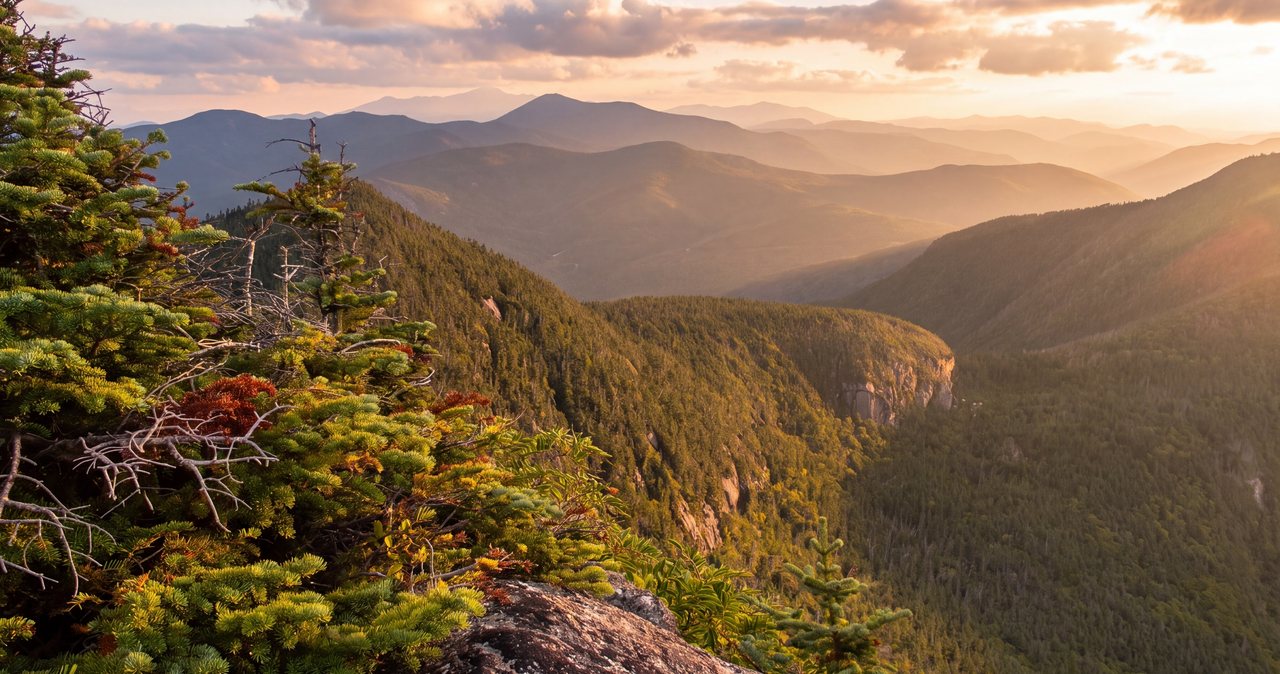
We get the packing question more than almost any other, usually a day or two before someone drives up, and it is a fair one to ask. The White Mountains want a little more from you than a beach weekend does, and a good deal less than most first-timers fear. You do not need a closet of technical gear. You need the right handful of things, chosen with mountain weather in mind, plus the confidence to leave the rest at home. What follows is the list we would hand a friend coming up for the first time, with the reasoning behind each item, because knowing why something is in your bag is what keeps you from forgetting it.
How to dress in layers
Mountain weather up here does what it wants, and the most useful habit you can pack is dressing in layers you can add and shed as the day changes. The temperature at a trailhead can be twenty degrees warmer than the top of a ridge you reach an hour later, and a bright morning can turn to wind and rain by lunch. Build your kit around three pieces: a base layer that wicks sweat off your skin, a warm mid-layer such as fleece or a light down or synthetic puffy, and a wind-and-rain shell on the outside. A packable puffy is the workhorse of the three, since it weighs almost nothing and lives in the bottom of a daypack until you stop moving and cool down fast.
The rule that trips people up is that even in summer you bring the shell and one warm layer. Above treeline the air is colder and the wind far stronger than anything you felt in the parking lot, and it can be cold and wet in July. Even in the warm months, a wet cotton shirt at fifty degrees with wind can chill a hiker faster than you would think, and the highest summits can sit in the forties on a summer afternoon. That is why cotton is the fabric to leave home for anything active, because it soaks up sweat and rain, holds the water against you, and pulls heat out of your body. Choose wool or synthetic next to the skin instead. A warm hat and light gloves take up no room and change everything on an exposed ridge, and a buff or neck gaiter is a small piece that does a lot of work. On a truly wet or exposed day, rain pants earn their keep as well, and the trick with layering is to start out a touch cold at the trailhead, because you warm up within minutes of climbing, and peeling off a sweat-soaked layer at the top is how people get chilled. For a fuller picture of how quickly conditions shift here, our note on hiking safety in the White Mountains is worth reading before a big day.
Footwear and traction
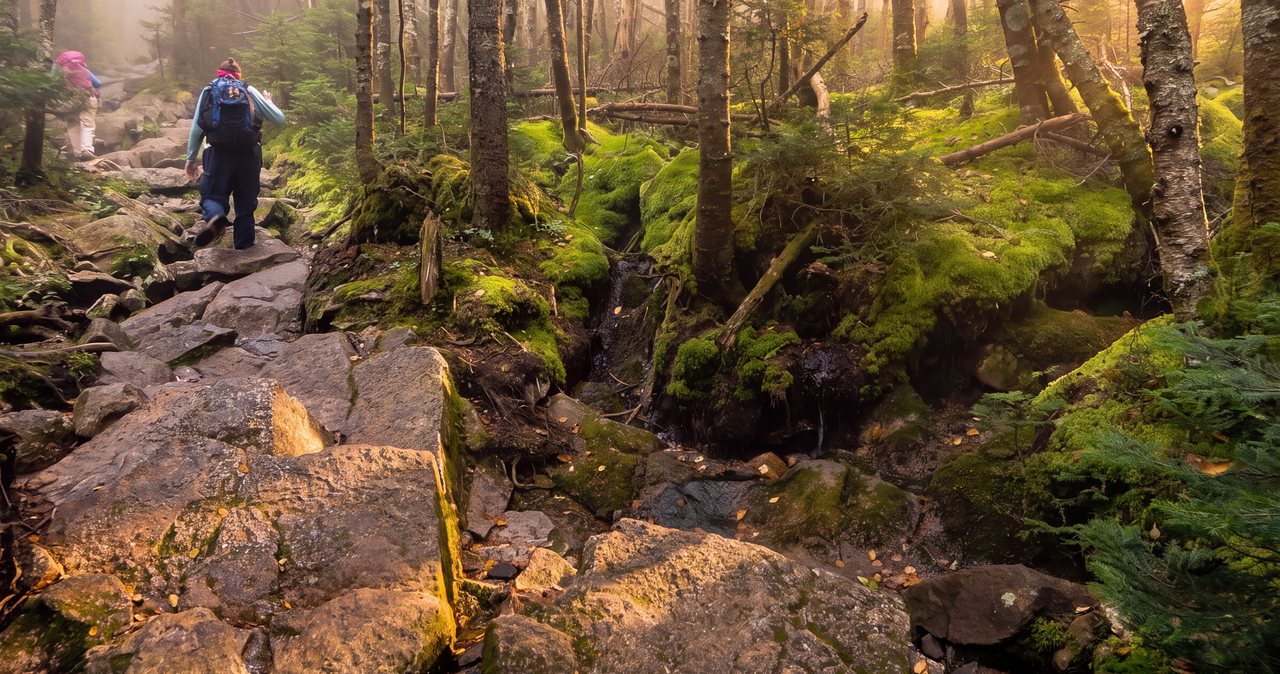
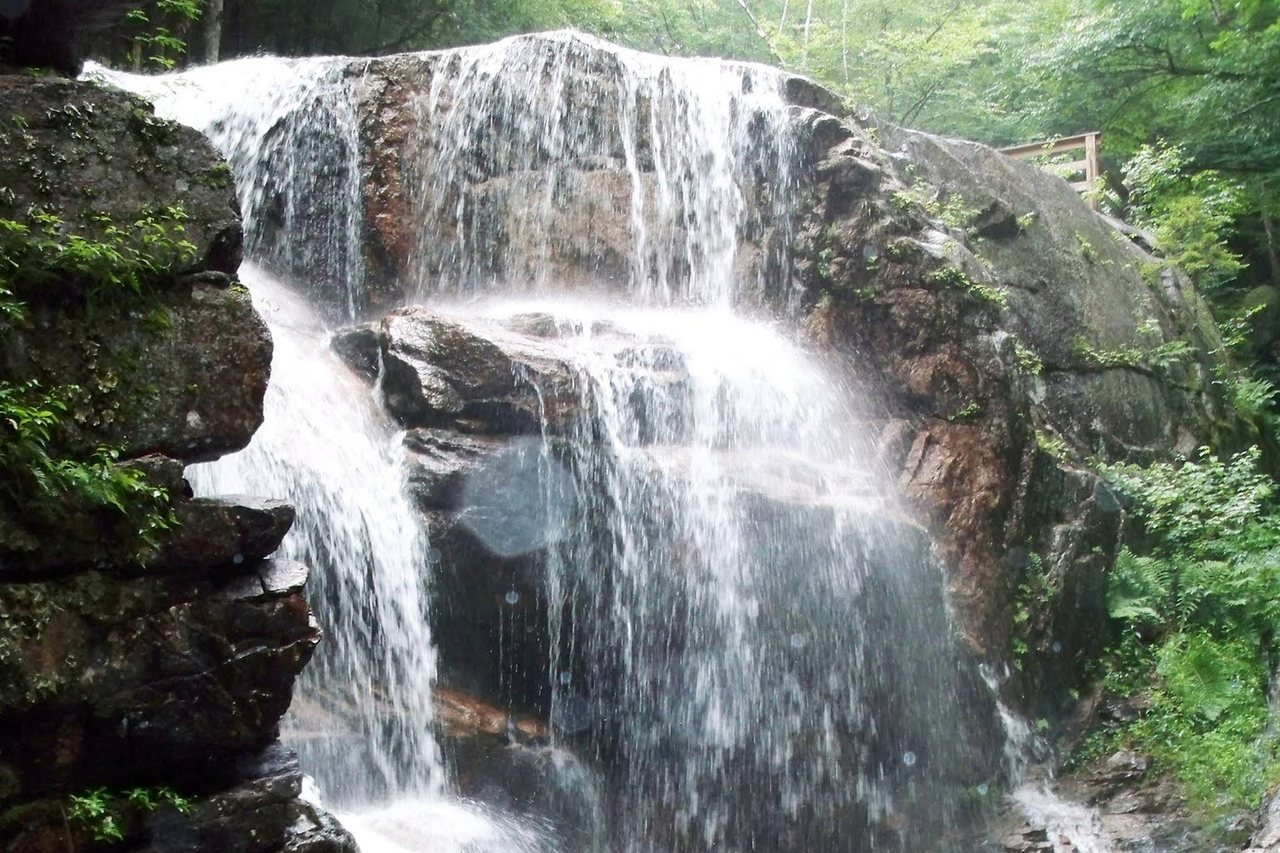
Bring real shoes. Trail runners or light hikers handle most of what you will do here, and they beat street sneakers on wet rock and loose gravel. Pack a second pair you do not mind soaking if you plan to chase waterfalls or sit in a river hole, and leave the flip-flops for the deck rather than the granite. If your boots are new, wear them around the house for a week first, because a weekend of White Mountain trails is a hard place to break in stiff leather. Throw in an extra pair of wool socks too, because dry feet are worth their weight, and a spare pair rescues a day when the first gets wet. A gallon zip bag or a small dry sack for wet socks and swimwear keeps the rest of your pack dry on the ride home.
From roughly November into spring, add traction. On packed snow and icy trails, microspikes are inexpensive, pack down small, and are the difference between a walk and a fall; you slip them over your boots and most winter trails become manageable. When there is a lot of fresh, unconsolidated snow, that is snowshoe territory, so you float on top instead of sinking to your knees with each step, a miserable slog that hikers call post-holing. Many people carry both and switch as the trail changes, and gaiters keep snow out of your boots on the deeper days. Trekking poles are the other cold-weather friend, steadying you on icy descents and river crossings year-round and taking a real load off your knees. Traction is close to expected on White Mountain trails through the cold months, so if you are visiting between late fall and late spring, it belongs in the bag. Before any hike, check current footing and the forecast in our trail conditions and mountain weather guide, because what the valley is doing and what a summit is doing are often two different stories.
A daypack for the trail
Everything above is what goes in the suitcase. For any actual hike, even a short one, a small daypack with a standard set of items keeps a good outing from turning into a bad one. The list hikers here live by is the same one the rangers recommend: extra water and food beyond what you think you need, an extra warm layer and your rain shell, a small first-aid kit, a headlamp with fresh batteries, sun protection, a whistle, and a map or directions you can read without cell signal. A folding knife or multi-tool, a way to purify water, and a way to start a fire round it out. None of it is heavy, and it all fits in a daypack you would be carrying anyway.
The reason to carry it even on a short trail is that short trails here can still put you above treeline or a long way from the nearest road, and the weather can turn while you are out. A twisted ankle two miles in on a cold afternoon is a very different situation with a warm layer and a headlamp than without them. We are not trying to make a two-hour walk sound like an expedition, and most days you will use the water and the snacks and nothing else. But the few times the weather turns or a hike runs long, that pack is what keeps a scare from becoming something worse. Keep it packed and ready by the door of your suite, and you will not have to think about it again all weekend.
The things people forget
A handful of small items get left behind again and again, and each one can quietly derail a day. Water is the first, so carry a reusable bottle and more water than you expect to drink, because there is no shop at the trailhead and no reliable water on most trails. Cash is the second, specifically small bills, because many Forest Service trailhead lots take payment at a self-serve kiosk and a few singles saves you when a card reader is out or missing. We come back to that in the next section.
The third is a downloaded map or set of directions. Cell service is spotty in Franconia Notch and gone entirely along the Kancamagus, so load your maps before you leave town, where the lodge Wi-Fi is fast and reliable. Our note on cell service and what to download lists exactly which offline maps and apps to grab so you are not staring at a spinning wheel out on the highway. The fourth, easy to forget in summer, is a headlamp, because days shorten quickly in fall, hikes run longer than planned, and a light in the pack is worth carrying even when you expect to be back before dark. A phone flashlight is a poor substitute when that same battery is your lifeline for the map. While you are at it, tuck in a small bag to carry out your trash, since there are no bins at most trailheads and the rule up here is simple: what you carry in, you carry out.
Parking passes and the hikeSafe card
Most trailheads in the White Mountain National Forest require a recreation pass to park, and it is not expensive: about five dollars a day, or thirty dollars for an annual pass good for a full year from the month you buy it, with a household version for a little more if two of you drive up in separate cars. At many lots you pay at a self-serve kiosk and leave the stub on your dash, which is why a few small bills in the glovebox is smart, though you can also buy a pass ahead of time online or in town. State park lots, including the ones at Flume Gorge and Echo Lake, are run separately and charge their own fees, so a Forest Service pass does not cover those. If you want the specifics, our answer to how much trailhead parking costs lays them out, including the handful of fee-free days scattered through the year.
If your weekend includes real hiking, consider a New Hampshire hikeSafe card. For 2026 it costs twenty-five dollars for an individual or thirty-five for a family and is good through the end of the calendar year, at the same price for residents and visitors. Carrying one means you will not be billed for a search and rescue unless you acted recklessly, and the proceeds help fund the Fish and Game teams who do that work. It is inexpensive insurance for anyone heading into the backcountry, and it lives on your phone, so it adds nothing to the bag. We keep the details in our note on what the hikeSafe card is.
Bugs, sun, and water in the warm months
From late May into late June, the White Mountains have black flies, and they are worth planning your kit around. The old local line puts the worst of it between Mother's Day and Father's Day, and it holds up, because the bugs thin out as June goes on and the streams drop. If you are visiting in that window, a head net packs completely flat and is the best few dollars you can spend, backed by a repellent with DEET or picaridin and long sleeves for the buggy hours near dawn and dusk. Later in summer the black flies give way to mosquitoes near still water, so the repellent stays useful right through the season. New Hampshire has ticks as well, and Lyme disease is a real concern, so light-colored long pants, a repellent, and a quick tick check after a walk through tall grass or brush are worth the small effort. Our piece on black fly season covers where and when they bite hardest.
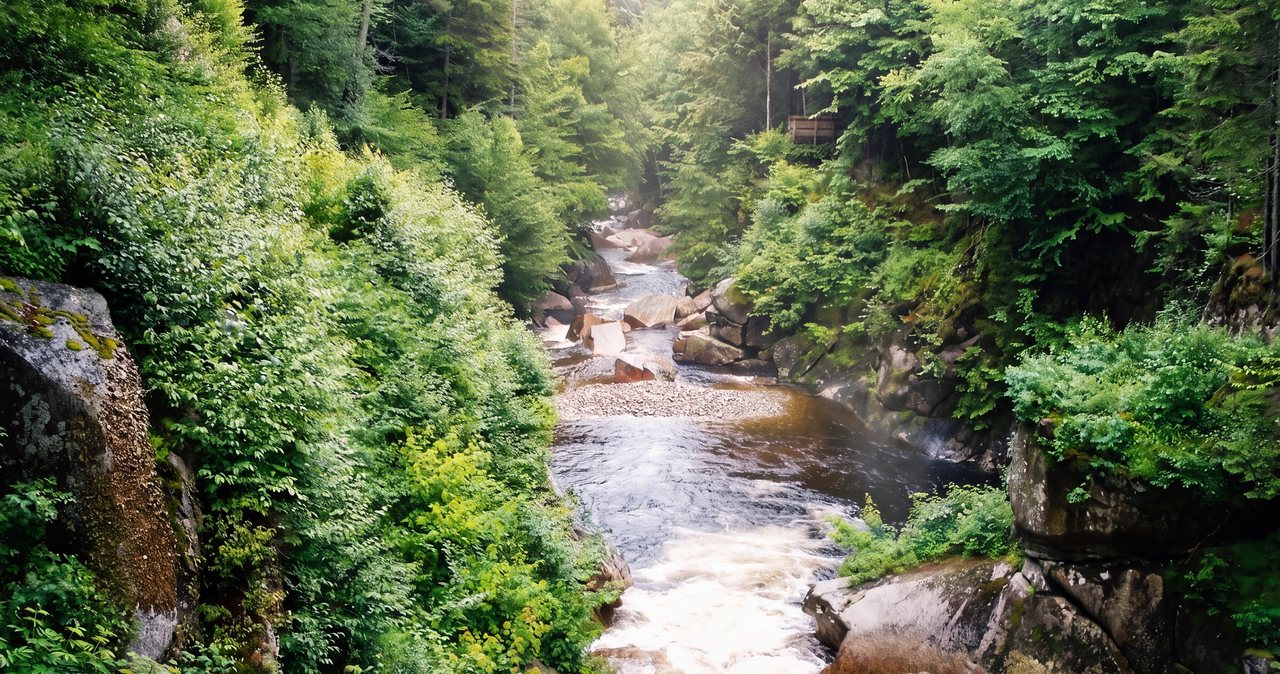
Sun is stronger up here than people expect, especially above treeline and reflecting off open water or snow, so pack sunscreen, sunglasses, lip balm, and a brimmed hat even when the air feels cool. In the warm months, also bring a swimsuit, a quick-dry towel, and water shoes. The rivers and granite pools around Lincoln are one of the real pleasures of a summer weekend here, and the rock is slick and the water cold enough that shoes with a grip beat bare feet every time.
What you can leave at home
As useful as knowing what to pack is knowing what to skip. You do not need to haul coffee, tea, or the makings of a good morning, since the coffee lounge downstairs is stocked with coffee, tea and grab-and-go snacks, so that part is handled. You do not need beach towels for the river, because a small quick-dry towel does the job in a fraction of the space, and the everyday bath basics are already in the room. Leave the formal clothes at home as well. This is a mountain town with no dress codes to speak of, and dinner at Basecamp Brewing in Lincoln, the former One Love Brewery, or at the Woodstock Inn Station & Brewery just south in North Woodstock, asks for nothing dressier than clean jeans.
One more thing to leave behind is the expectation of a television in the room. There are none, by design. Bring a book, a deck of cards, or nothing at all, and let the evenings stay quiet, because a good number of guests tell us afterward that the screen-free evenings were the part of the stay they did not know they wanted. The house is adults-only and calm after dark, which is the whole idea, and it is easier to settle into with less in your bag rather than more.
Packing by season
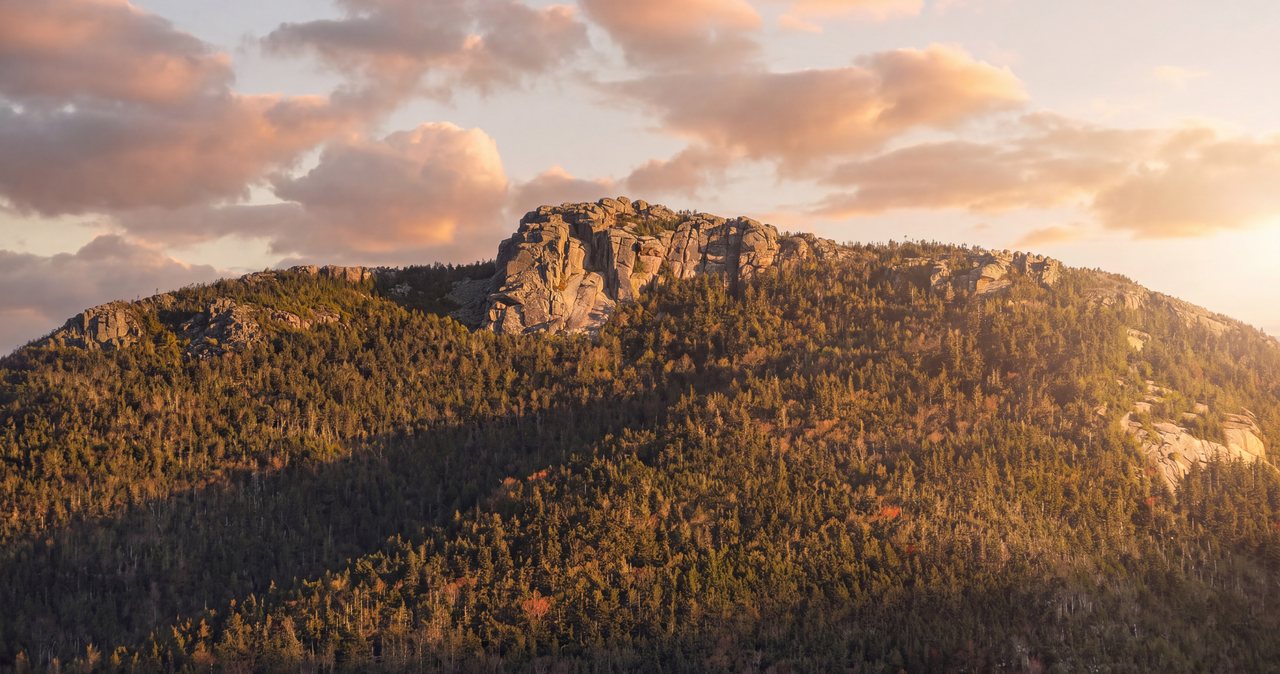
The core kit of layers and real shoes holds all year, but each season adds a few things worth calling out. Here is how we would adjust the bag depending on when you come.
Spring
Spring is mud season, and the word to remember is waterproof. Expect soft, wet, sometimes snow-patched trails at elevation well into April and even May, so bring boots you do not mind getting filthy, a solid rain shell, and traction if you plan to climb, because ice lingers on north-facing pitches long after the valleys have thawed. Pack warm layers for cold mornings, and know that the waterfalls are at their loudest and fullest now, fed by snowmelt, so the water shoes earn their place early. The black flies arrive toward the end of the season, which is the cue to slip the head net back into the bag.
Summer
In summer, add sunscreen, bug spray, a swimsuit, and water shoes, and still keep that shell and one warm layer in the pack for anything above treeline. Days are long, with real light until past eight in June and July, which leaves plenty of room for a late-afternoon hike but also means you will want more water than usual on a warm day. A brimmed hat and sunglasses finish the summer additions, and a light long-sleeve layer does double duty against both sun and bugs. On hot days, pack a little extra water and something with electrolytes, because the climbs here are steep and the open ledges hold the heat.
Fall
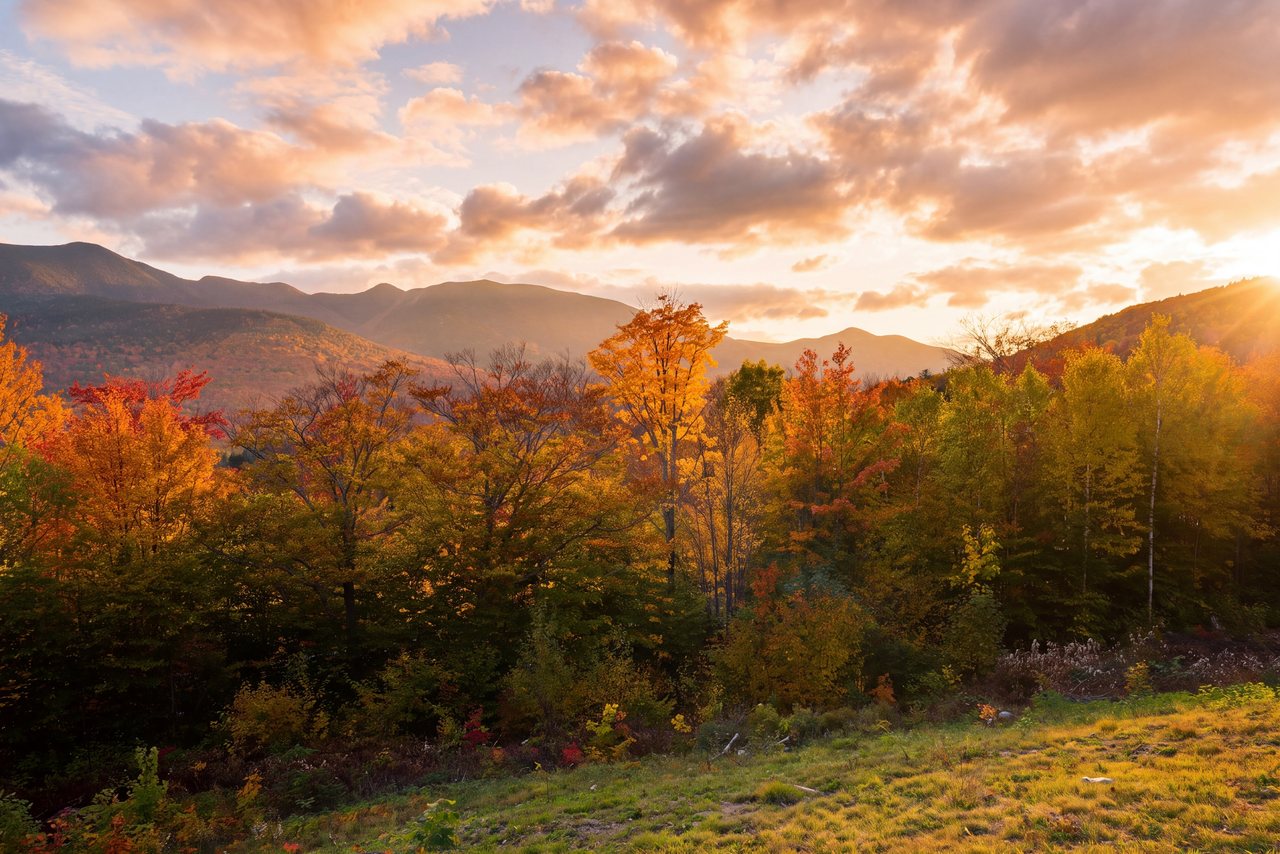
Fall is the busiest season, and packing for it means packing for a wide temperature swing in a single day. Foliage in the notches and along the Kancamagus generally peaks from late September into the first couple of weeks of October, though the exact window shifts year to year and the higher elevations turn first. Bring warm layers for crisp mornings and evenings, a light pair of gloves, and a camera, since the light coming through colored leaves is worth catching. Sunsets come earlier now, so keep that headlamp handy, and expect popular trailheads and overlooks to fill early on peak weekends, which is a good reason to start your day earlier than you might in summer.
Winter
Winter asks the most of your bag. Bring serious insulation, waterproof insulated boots, traction, a warm hat, gloves or mittens, and hand warmers for the times you are standing still. Full dark comes early, by dinnertime in December, so a headlamp is not optional. If you are driving up, pack an ice scraper, a snow brush, a blanket, and a little extra patience for the roads. The Kancamagus stays plowed and open through winter, but not every overlook is cleared, and it can close briefly during heavy snow, so treat it as the remote road it is: fill the tank first, and do not count on cell service anywhere along it. A thermos of something hot in the car turns a cold afternoon of stops into a comfortable one.
Before you leave home
A short run-through the day before you drive up heads off the most common frustrations. A few things worth checking:
- Look up current trail closures. The Lincoln Woods Trail, a popular access point east of town, is closed for the 2026 season, so do not build a plan around it this year.
- If Flume Gorge is on your list, it runs on timed entry during its season and busy slots sell out, so reserve an arrival window online ahead of time; booking online also saves a few dollars a ticket over the window price.
- Download your maps, directions, and any trail apps while you are still on fast Wi-Fi.
- Gas up before the Kancamagus. It is thirty-four miles with no gas, no services, and no cell signal from end to end.
- Check the forecast for the high summits, which often differs sharply from the valley, on the morning you head out, and choose your hike to match the day.
- Tell someone your plan and when you expect to be back, especially for anything above treeline.
- Charge your phone and pack a small backup battery, because cold weather drains them faster than you would think.
Booking your stay
None of this needs a large bag. One carry-on of the right layers, real shoes, and the small stuff people forget will see you comfortably through a weekend here, and the aim of packing well is straightforward: to spend the days looking up at the mountains instead of wishing you had brought a jacket. Because check-in is at three and checkout at ten, and the coffee lounge is already stocked when you arrive, you can travel light and still be on a trail by mid-afternoon on your first day. Your door code arrives the day before arrival, once your check-in form and payment are complete, and you let yourself in whenever you land, which is one less thing to coordinate after a long drive. Just keep a warm layer within reach in the car for the drive up through the notch.
When you have settled on your dates, the best rate is always direct, so you can check availability and book with us straight away. Come for the trails, the drives, and the quiet evenings; pack for the mountain's weather, and the rest takes care of itself.
— Launchpoint Lodge, From the lodge