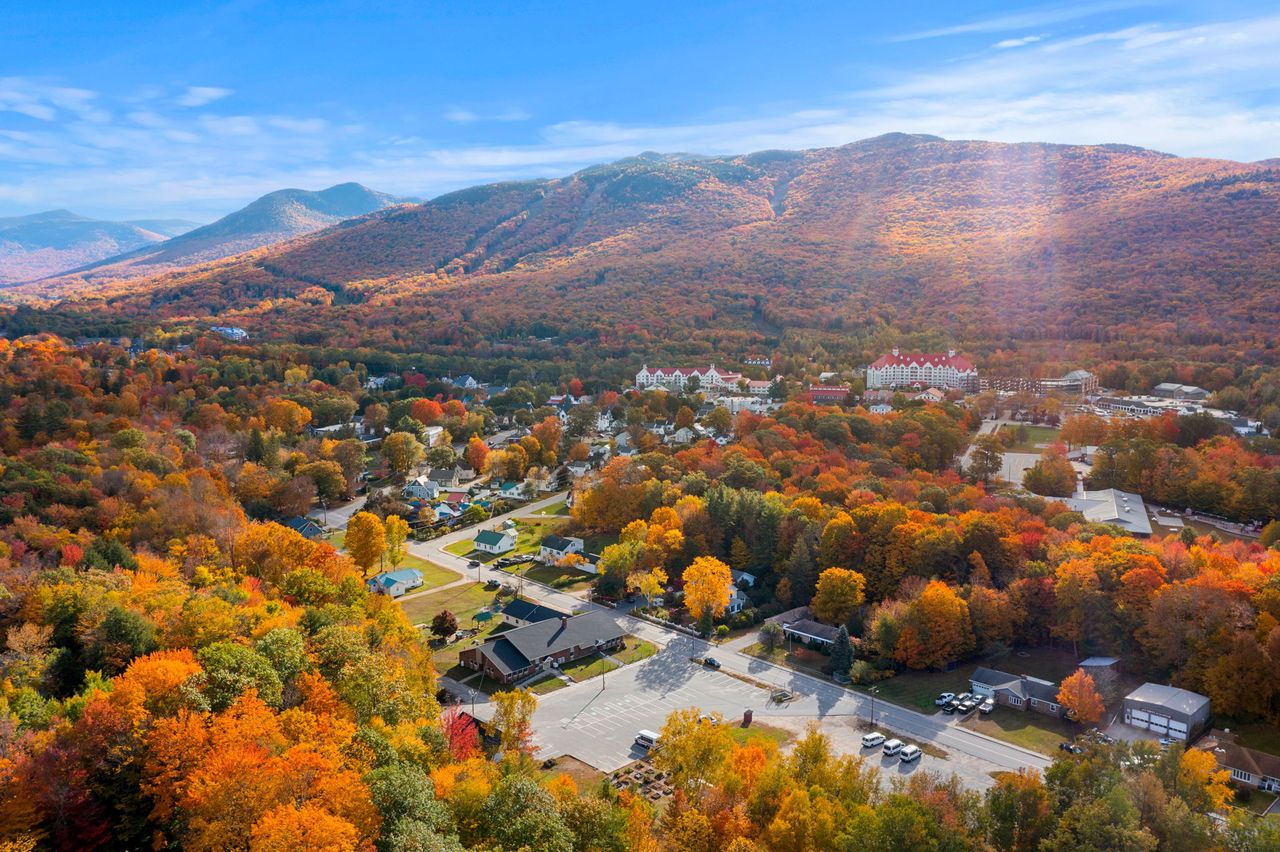
We run a six-suite inn on Pollard Road, and from about mid-December to mid-April the single most common question we get is some version of "where should we ski?" The answer is that Lincoln is one of the better places in New England to base a ski trip, because you are not tied to one hill. Loon Mountain is 6 min from our front door. Cannon, Waterville Valley and Bretton Woods are all inside an hour, and each of them is a different kind of day. You can chase the sun, chase the snow, or just pick the mountain that suits the people you brought with you.
This guide is written to be more useful than the resort marketing and more candid than the "top ten" lists. We ski these mountains ourselves, and this guide is current for the 2025-2026 winter. Where something matters and might catch you out, we say so. The biggest example this year: the famous Cannon Mountain aerial tramway made its final run on October 26, 2025 and is now closed for a multi-year replacement. Cannon still skis. The tram does not. More on that below.
One thing to get out of the way. Launchpoint Lodge is adults-only, so nothing here is written as a family ski-week planner. The mountains themselves are excellent with kids, and we will point out the learning areas and beginner terrain, but the lodge is a quiet, grown-up base built for two people who want a fireplace and an unplugged evening after a cold day. Keep that in mind as you read.
The short version: what's near Lincoln and how far
If you only read one section, read this one. From the lodge, Loon Mountain is about 6 min east, right at the edge of town on the Kancamagus Highway (Route 112). It is the home hill for a reason: you can be clicked into your bindings before some people have finished their coffee, and you can come back at lunch if the weather turns.
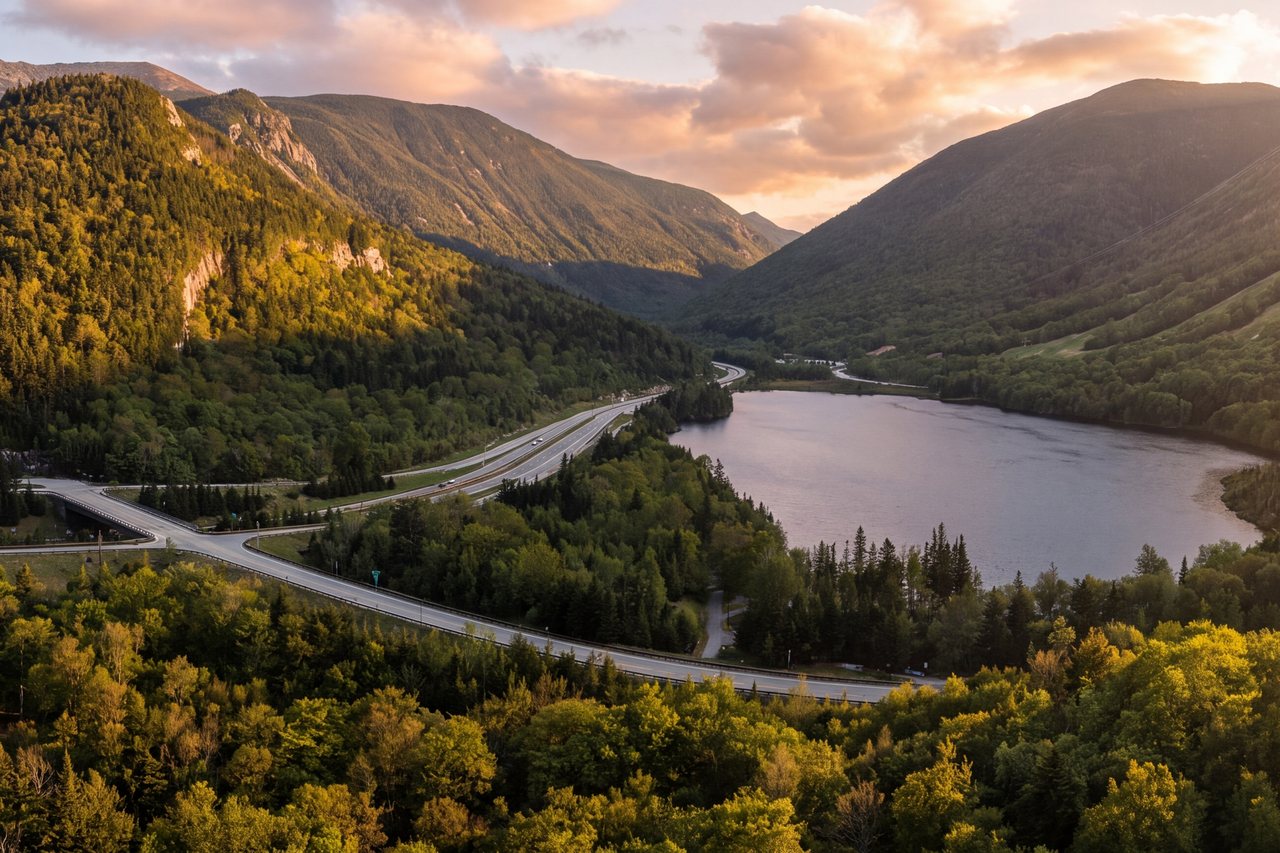
Cannon Mountain is about 16 min north, up Interstate 93 into Franconia Notch. Waterville Valley is roughly 35 to 40 min southeast, down I-93 to Exit 28 and then up Route 49 through Campton. Bretton Woods, New Hampshire's largest ski area, is about an hour north near the base of Mount Washington. Beyond those, the Mount Washington Valley mountains around North Conway (Attitash, Wildcat, Cranmore, Black) and Gunstock to the south are all day-trip-able if you want variety, generally in the 50 min to 75 min range.
So the practical geometry is this: one big mountain within a coffee's reach, three strong mountains within an hour, and a second tier an hour-plus out for the days you want something different. Most guests never leave the first two tiers. You do not need to.
A note on drive times. Everything above assumes clear roads. In a storm, add a real cushion; I-93 through the notch and Route 49 up to Waterville both climb, and both can be slow when it is snowing hard. That is usually a good thing for the skiing and a reason to leave early.
Loon Mountain: the home hill
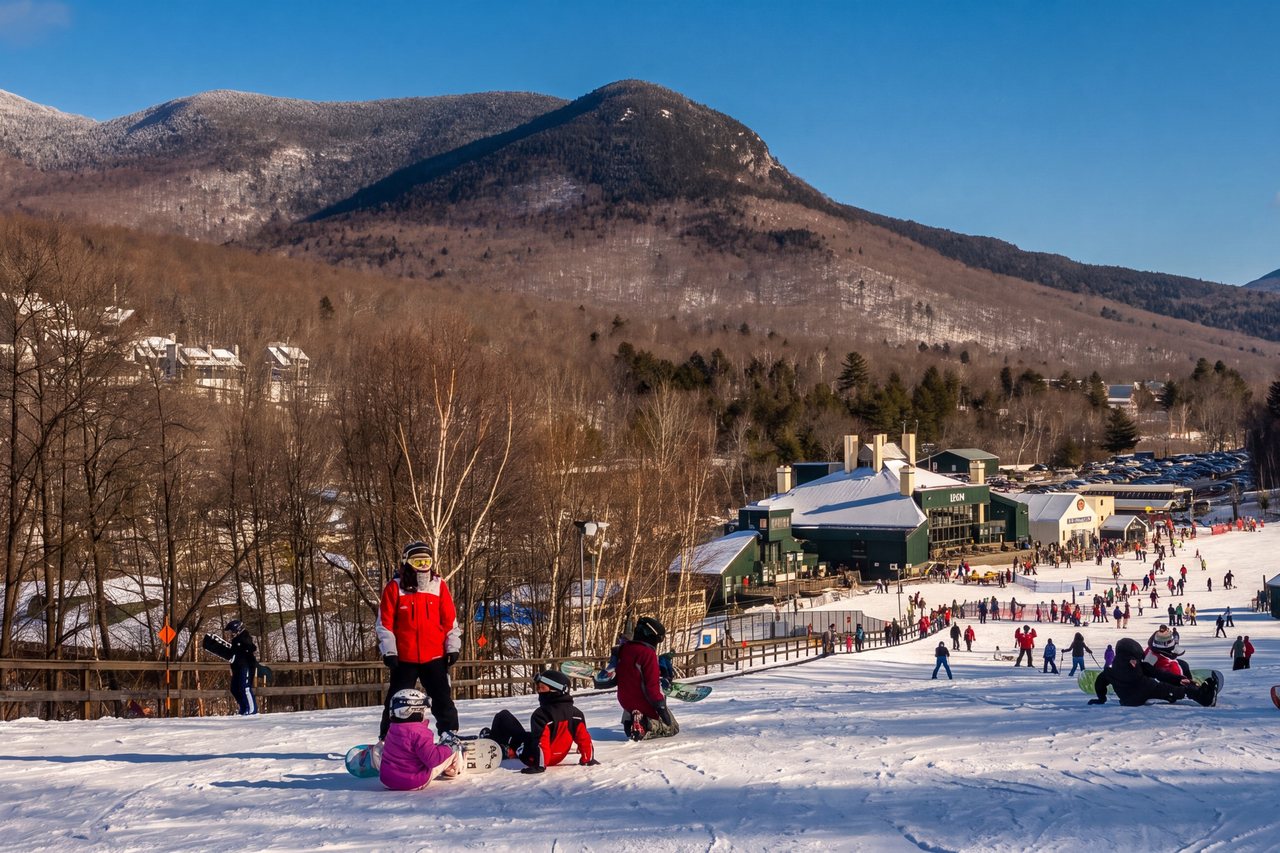
Loon is the mountain you came for whether you meant to or not. It spreads across three connected areas, North Peak, Loon Peak and South Peak, with about 403 acres of trails and a vertical drop of roughly 2,100 feet. There are around 73 trails served by a large lift fleet, and Loon has poured money into that fleet: the headline lift is the Kancamagus 8, one of the few eight-passenger chairlifts in the East, and there is a gondola running from the base up toward the North Peak summit. Total uphill capacity is over 15,000 people an hour, which matters on a busy Saturday.
Terrain-wise, Loon is best known as an intermediate's mountain, and that is fair, but it undersells the place. The blue cruisers off the gondola and the Kancamagus 8 are wide, well-groomed and long, which is exactly what most people want. Beginners have a good, separated learning area rather than an afterthought at the bottom of a scary run. Stronger skiers have the steeper pitches off the summit and the terrain parks; Loon runs six terrain parks and a couple of halfpipes, and it is a serious park mountain by New England standards. What Loon does not have is a lot of true expert steep-and-deep; for that you go to Cannon.
Snowmaking is Loon's quiet superpower. The system covers about 99 percent of the terrain, which means that in a thin or warm winter, Loon is often skiing top to bottom when smaller hills are struggling. It also means opening day tends to come early and closing day tends to hang on. For the 2025-2026 season Loon's opening day was November 21, 2025, subject to conditions as always.
The gondola deserves a specific mention because of what happened at Cannon. If you want a lift-served ride to a summit view this winter, Loon's gondola is your answer, 6 min from the lodge. In summer it runs as a scenic skyride to the top; in winter it is a ski lift. It is the easy, reliable way to get a family member who does not ski up the mountain for the view and lunch, now that Cannon's tram is out of service.

Night skiing, tubing and Friday nights at Loon
Let's be precise here, because the internet is muddy on it. Loon does not run traditional night skiing on lit trails the way a few smaller New England hills do. If night skiing under the lights is a must-have for your trip, Loon is not the place and you would be looking well outside this area.
What Loon does offer is lift-served snow tubing on the Little Sister trail, running both day and night, which is a fun evening if you are not a skier or you want a second activity after the lifts close. Loon also runs "Friday Night Extended" hours, keeping a portion of the mountain and the base area open later into Friday evening on select dates, which is closer to extended-afternoon skiing than true after-dark night skiing. Check Loon's events calendar for the current dates before you count on it.
For the lodge crowd specifically, tubing is the easy win. You ski all day, come back, warm up, and if you still have energy the tubing park is a short drive. Nobody needs to be an athlete for it.
Getting on the snow at Loon: lessons, rentals and first-timers
Loon is a good place to learn or to knock the rust off. The Loon Mountain Adventure Center and the resort's snow-sports school handle group and private lessons, and the beginner terrain is set apart from the fast traffic, which is the single biggest thing that makes learning bearable. If you have never skied, book a beginner package that bundles a lesson, rental and a limited lift ticket rather than buying a full-mountain ticket you cannot yet use.
Rentals are available on the mountain, and that is the convenient option if you are only skiing a day or two. If you are here for several days, it is often cheaper and less hassle to rent from one of the ski shops in Lincoln or nearby before you get to the hill, so you are not standing in the resort rental line on a powder morning. Ask us and we will point you to the current local shops; the lineup shifts year to year, so we would rather tell you what is good this season than print a name that closed.
One real tip for first-timers: give yourself a half day, not a full day, for your first day. Two or three hours of instruction, a break, and a little practice is plenty. People who buy a full day and try to power through usually end up cold, sore and discouraged. Ski a little, quit while you are still enjoying it, and come back the next morning.
Cannon Mountain: the serious one (and the retired tram)
Cannon is a different animal from Loon, and we say that with affection. It is state-owned, sitting inside Franconia Notch State Park about 16 min north, and it has an old-school, no-nonsense reputation. The vertical is big for New England, around 2,230 feet counting the Mittersill side, across roughly 265 acres and about 73 trails, plus the lift-served Mittersill backcountry area. Cannon faces north and catches wind, so it holds snow well and it can be cold and exposed up top. Skiers who want steep, firm, plain New England skiing love it. Beginners can have a fine day too, but Cannon's personality is that of a proper mountain, not a manicured resort.
Now the part everyone asks about. The Cannon Mountain Aerial Tramway is retired. Its final run was Sunday, October 26, 2025, it will not operate for the 2025-2026 season, and while a third-generation tram is in planning, no reopening date has been announced. So to be completely clear: do not plan to ride the Cannon tram this winter, or to take non-skiing guests up it for the view. It is not running. If you want a lift-served summit view, use Loon's gondola instead.
Here is the good news, and it is important because a lot of casual visitors assume Cannon is closed. Cannon is very much open for skiing. All of the terrain is reachable from the other lifts. On a normal day you can ski top to bottom via the Peabody Express Quad and the Cannonball Quad, with the mountain's other quads, triples, a double, a T-bar and surface lifts filling in the rest. The mountain skis exactly as well as it always has; you simply reach the summit on a chairlift now rather than the tram.
Because Cannon is a state park operation rather than a big commercial resort, it tends to be a little less polished and a little less crowded than Loon, and many longtime local skiers consider that a feature, not a bug. If the forecast is good and you want the best pure skiing near Lincoln, Cannon is often the pick.
Waterville Valley: the tucked-away all-rounder
Waterville Valley sits at the end of Route 49, in its own small valley off I-93, about 35 to 40 min from the lodge. It is a self-contained resort town: the mountain on one side, a compact Town Square with shops, food and the Nordic center on the other, connected by a shuttle. That layout makes it one of the easiest places in the area to spend a full day without moving your car.
The mountain has about 62 trails across 265 acres, with a vertical drop near 2,020 feet from a summit around 4,004 feet, served by roughly ten lifts. For the 2025-2026 season a new surface lift went in to modernize the racing and terrain-park areas. The terrain skews heavily intermediate, roughly 56 percent, with a solid share of beginner and advanced runs, so it is a comfortable mountain for a group of mixed ability. It is also a strong development mountain, with a long history of ski racing and a good, contained beginner zone.
Waterville is a smart bad-weather call. Because you are down in the valley for lodging, food and Nordic, and the alpine mountain is compact and sheltered compared with wind-exposed Cannon, it is a place you can enjoy on a raw day when the bigger, higher summits are getting hammered. For pass holders, Waterville has been part of the Indy Pass in recent seasons; if you carry an Indy Pass, confirm the current blackout dates and reservation rules on the resort's site before you drive over.
Bretton Woods: the big, gentle, view-heavy mountain
Bretton Woods is about an hour north, near the base of Mount Washington, and it is worth the drive at least once during a longer stay. It is New Hampshire's largest ski area by acreage, around 464 acres, with about 63 trails and 35 glades. The vertical is more modest at roughly 1,500 feet, and that is the plain trade: Bretton Woods is not steep, but it is big, beautifully groomed, and sits right across from the Mount Washington Hotel with some of the best views in the state from the trails.
It skews to beginners and intermediates, and it is one of the most comfortable, low-stress big mountains in New England, which is exactly why it is a great choice for a mixed group or anyone still building confidence. The glade skiing is better than the gentle reputation suggests, and there is a good high-speed lift network; a new high-speed quad debuted for the 2025-2026 season. Bretton Woods was the first New Hampshire area to open this season, dropping the rope on November 15, 2025, thanks to early cold and strong snowmaking.
Bretton Woods is also the anchor for Nordic skiing in this region, which we cover below. If your group has one skier and one cross-country person, Bretton Woods lets both have an excellent day from the same base. Pair the drive with lunch at the hotel and it becomes an outing, not just a ski day.
Others within reach
If you are here for a week or you just want variety, a few more mountains are day-trippable. Cannon's own Mittersill area gives you lift-served, ungroomed, backcountry-style skiing right next door to the main mountain, and it is the best introduction to that kind of terrain in the area for a competent skier. It is part of Cannon, so no separate ticket.
East over toward North Conway and the Mount Washington Valley, roughly an hour out, you have Wildcat, which stares straight across at Mount Washington and is one of the most weather-exposed, thrilling mountains in the East; Attitash, a solid mid-size mountain in Bartlett; and the smaller, friendly Cranmore and Black Mountain, both good for a relaxed day. Wildcat and Attitash are Vail-owned and sit on the Epic Pass, so if you carry an Epic Pass, that is your play out east.
To the south, about an hour down I-93, Gunstock in Gilford is an independently run mountain overlooking Lake Winnipesaukee with a big vertical for its region and its own night skiing. None of these are as close as Loon or Cannon, but if you are chasing sun, snow, or simply a change of scene, they are all realistic from the lodge. When in doubt, we would rather you ski the two closest mountains well than spend your trip in the car.
Cross-country and Nordic skiing
The Nordic skiing around Lincoln is quietly excellent, and it is the right call on the days you want the woods and the quiet instead of lift lines. Closest to the lodge, Loon runs a small groomed cross-country network of roughly 35 kilometers out of its Adventure Center area near The Landing, which is perfect for an easy morning or for the non-alpine skier in your group.
For a bigger day, Waterville Valley's Nordic Center in Town Square is one of the best in the region, with something on the order of 70-plus kilometers of groomed classic and skate trails, much of it winding through the White Mountain National Forest. And Bretton Woods runs one of the largest cross-country networks on the entire East Coast, with well over 100 kilometers of groomed trails spread across the resort grounds and the national forest, with a good share of it beginner-friendly. Bear Notch Ski Touring Center in Bartlett is another local favorite, with 65-plus kilometers of well-groomed trails along the Saco River, on a mix of private and Forest Service land.
If you would rather go free and ungroomed, the plowed-flat corridors along the Franconia Notch bike path and the wide, gentle old logging grade at Lincoln Woods off the Kancamagus are both popular for backcountry cross-country and snowshoeing when there is snow (Lincoln Woods is closed from June 15 into November 2026 between the Kancamagus and the Osseo Trail junction, so check before you go). Just remember that these are unmaintained in winter, with no grooming and no patrol, so go prepared and turn around while you still have daylight and energy.
One small budget note that trips people up: cross-country trails on White Mountain National Forest land at Forest Service trailheads require the recreation pass, about $5 per day, displayed in your car. The groomed Nordic centers charge their own trail fee instead. Ask at the center; they will sort you out.
Lift tickets, passes and how to pay less
We will not print ticket prices here, for two reasons: they change constantly, and every mountain now prices dynamically, so the "price" depends on the day and how far ahead you buy. The single most reliable way to save money is simple: buy online, in advance, on the resort's own website. Walking up to the window on a Saturday morning and buying a day ticket is the most expensive way to ski anywhere in New England. Buy a few days out and you will often pay a fraction of the window rate. For the current numbers, check the resort site directly, or just ask us and we will help you find the deal for your dates.
If you are skiing several days or coming back this season, the multi-mountain passes are worth understanding. Loon is on the Ikon Pass, so a full Ikon includes a set number of days at Loon (five, on recent seasons' passes). Loon is also a Boyne resort, which means the regional New England Pass covers Loon along with Sunday River, Sugarloaf and Pleasant Mountain in Maine. Waterville Valley has been on the Indy Pass. Out in the Mount Washington Valley, Wildcat and Attitash are on the Epic Pass. Cannon, being state-owned, runs its own tickets and value programs rather than the big national passes.
The practical takeaway: if you already own an Ikon Pass, Loon is your obvious base and it is 6 min away. If you own Epic, you will get more out of a day trip east to Wildcat or Attitash. If you own neither and are just here for a weekend, skip the passes entirely and buy discounted advance day tickets online for whichever mountain the weather favors.
A word for beginners on tickets: do not buy a full-mountain day ticket for your first time out. Every one of these resorts sells a beginner or learning-area package that pairs a lesson, rental and a limited lift ticket for far less, and that is all you can use on day one.
Season dates: when it's good
The New Hampshire ski season generally runs from late November into April, but the useful detail is in the edges. This season Bretton Woods opened November 15, 2025, Cannon opened early as well, and Loon's opening day was November 21, 2025. Those early-season days are fun and worth it if you are already here, but expect limited, top-of-the-snowmaking terrain rather than the whole mountain.
The reliable heart of the season is January through mid-March, when the natural snow, the snowmaking base and the cold all line up. If your only goal is the best chance of great conditions and full terrain, aim for that window. February is the busiest, especially around the school vacation weeks, so if you can come on the shoulder weeks in early January or early March you will get the same snow with thinner crowds.
Do not write off late season. March and early April at snowmaking-heavy mountains like Loon can be some of the best skiing of the year: warm afternoons, soft snow, blue skies and short lift lines. The trade is that mornings can be firm and icy until the sun works on the surface, and lower trails go patchy. Most of these mountains aim to run into early or mid-April, conditions permitting, but always check the resort's operating calendar in spring because closing dates move with the weather.
Because everything here is snowmaking-dependent, one warm week does not end the season and one cold snap does not save a thin one. The resort snow reports, updated daily, are the only trustworthy source for what is open on a given morning. Message us the night before and we will happily share what we know.
Parking and beating the crowds
The crowd math near Lincoln is straightforward: Saturdays and holiday weeks are busy, especially at Loon because it is the closest big mountain to Boston and sits right off I-93. Sundays are noticeably quieter than Saturdays, and midweek is quieter still. If your schedule has any flexibility at all, ski Sunday through Friday and skip Saturday.
On a busy day, the winning move is to be early. Lots at Loon and Waterville fill up on peak Saturdays, and both resorts run shuttles from remote or overflow parking that can eat 20 or 30 min on each end of your day. Being clicked in by the time the lifts spin means you get the freshly groomed runs and the short lines, and you are heading to lunch just as the crowds arrive. Staying 6 min away, as our guests do, is the cheat code for this; you can be first chair without a pre-dawn drive.
Cannon and Bretton Woods generally have easier parking than Loon, another quiet argument for those two on a big Saturday. And a specific reminder that catches visitors: parking at the ski resorts is the resorts' own; it is separate from the White Mountain National Forest recreation pass. You need that $5-per-day Forest Service pass for national forest trailheads, for example if you go cross-country skiing or snowshoeing at a Forest Service lot, not for the ski-area lots.
Apres-ski in Lincoln and North Woodstock
This is where being based in town beats being based at a resort. Lincoln and neighboring North Woodstock have a real, walkable-ish cluster of places to eat and drink after skiing, and you are not captive to one resort's base lodge. Two local breweries anchor it: One Love Brewery, in the Mill at Loon complex in Lincoln, and the Woodstock Inn Station & Brewery in North Woodstock, which is a big, lively spot in a converted railroad station with a full menu and its own beers. Both are the kind of place you can walk into in ski clothes.
Beyond those, the two towns have the usual and welcome mix of pubs, pizza, burgers and a couple of nicer sit-down dinners, plus coffee and breakfast spots for fueling up before the drive to the hill. It is not a huge scene, and we would not oversell it, but for a mountain town it punches above its weight, and everything is a short drive from the lodge.
For the lodge specifically, our guests tend to ski hard, come back, warm up, and then walk or take a quick drive into town for dinner rather than eating an expensive, average meal at a base lodge. That is the pattern we would recommend. Message us when you arrive and we will tell you what is open, what is good this season, and what is worth a reservation on a Saturday night.
Conditions, cold and driving: the part
Skiing here is safe and wonderful, and it is also real winter in the mountains, so a little respect goes a long way. The cold is the first thing. On a clear, windy day the summits of Cannon and Bretton Woods can be bitterly cold, and Cannon in particular is known for wind and exposure. Dress in real layers, cover your face and hands properly, and take warm-up breaks in the lodge. Frostbite on exposed skin happens faster than people expect at these temperatures.
The second thing is ice, both on the trails and off. Early mornings and cold snaps leave hard, fast, icy surfaces, especially on east-coast groomers; ski in control and give yourself room. Off the slopes, watch your footing in resort parking lots and on the lodge's own walkways, and never trust the ice on a frozen river or pond. The Swift River along the Kancamagus and the region's brooks and ponds may look solid and are not reliably so; stay off them.
The third thing is driving. I-93 through Franconia Notch and Route 49 up to Waterville both climb and can be snow-covered and slow in a storm. Winter tires make a genuine difference here, all-season tires are the bare minimum, and if you are not used to mountain winter driving, leave early, go slow, and let the plow do its work. The Kancamagus Highway is plowed and stays open as a through-road in winter, but many of its overlook pull-offs are not cleared, and it is not a road to explore in bad conductions. Between mountains, stick to the interstate.
Finally, if you are tempted by backcountry or the Mittersill-style ungroomed terrain, know your limits and check conditions first. The lift-served backcountry at Cannon is patrolled-adjacent and a reasonable place to start; the true backcountry of the White Mountains, including the famous ravines on Mount Washington, is avalanche terrain and demands training, gear and a check of the Mount Washington Avalanche Center forecast. That is a different sport from a day at Loon, and it should be treated like one.
Safety & conditions
- Dress for real mountain cold: layers, covered face and hands, and warm-up breaks. Cannon and Bretton Woods summits get very cold and windy, and exposed skin can get frostbite quickly.
- Early mornings and cold snaps leave hard, icy, fast trails. Ski in control and give yourself room, especially on east-facing groomers.
- Never trust ice on frozen rivers or ponds. The Swift River along the Kancamagus, and area brooks and ponds, are not reliably solid; stay off them.
- Winter driving: I-93 through Franconia Notch and Route 49 to Waterville both climb and get slow in storms. Winter tires make a real difference; all-seasons are the minimum. Leave early and slow down.
- Watch your footing on icy resort lots and walkways off the snow, not just on it.
- Backcountry and the ungroomed ravines of the White Mountains are avalanche terrain. Get training and gear, and check the Mount Washington Avalanche Center forecast before you go; a day at Loon is a different sport.
- Snowmaking means conditions swing fast. Rely on the daily resort snow reports for what is open, not last week's forecast.
Where to stay
Skiing is the reason the lodge fills up in winter, and the geography is the whole point. Loon is 6 min from our door, so our guests routinely make first chair without the pre-dawn drive that Boston day-trippers endure, ski the freshly groomed runs before the Saturday crowd arrives, and are back for lunch or a warm-up by the fire whenever the weather turns. Cannon, Waterville Valley and Bretton Woods are all inside an hour, which means you can wake up, check the four snow reports, and drive to whichever mountain the weather is favoring that morning without ever changing where you sleep.
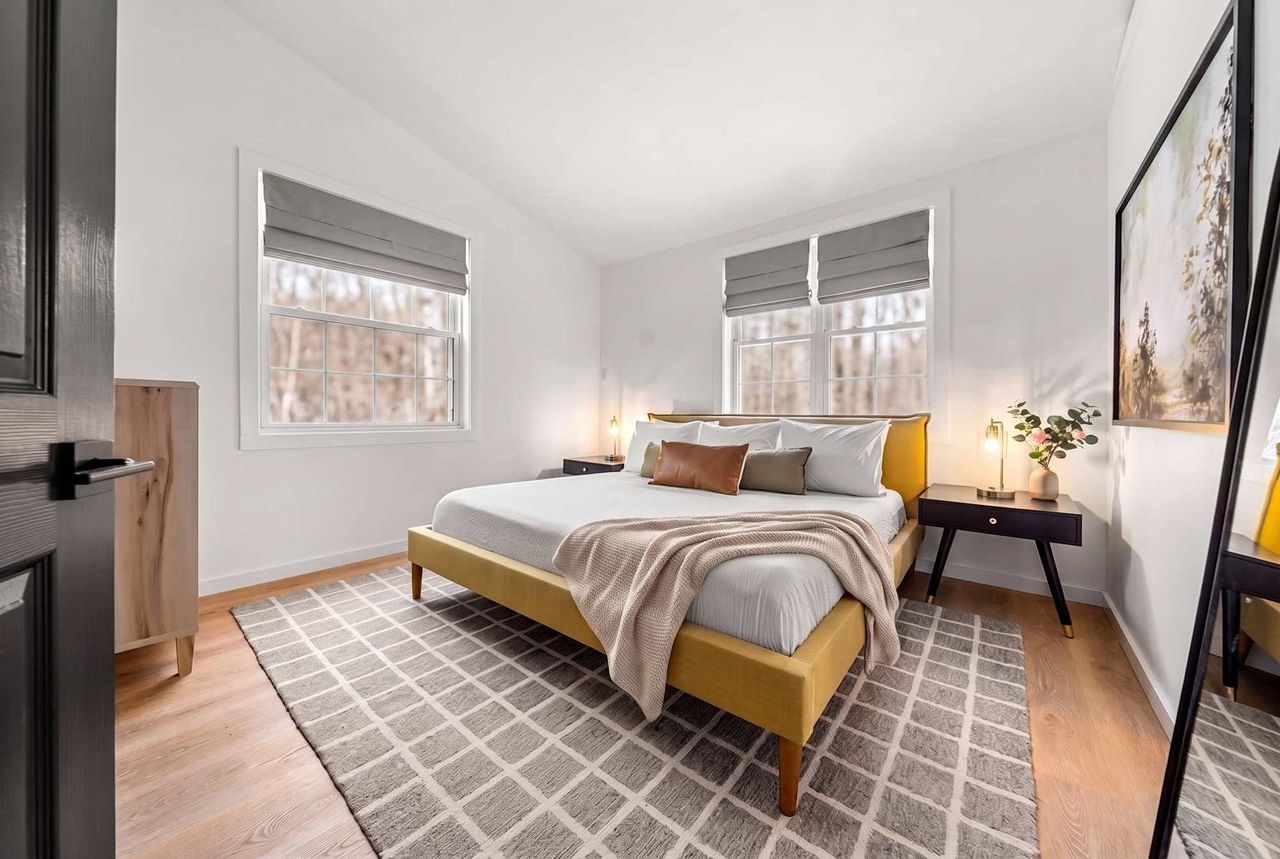
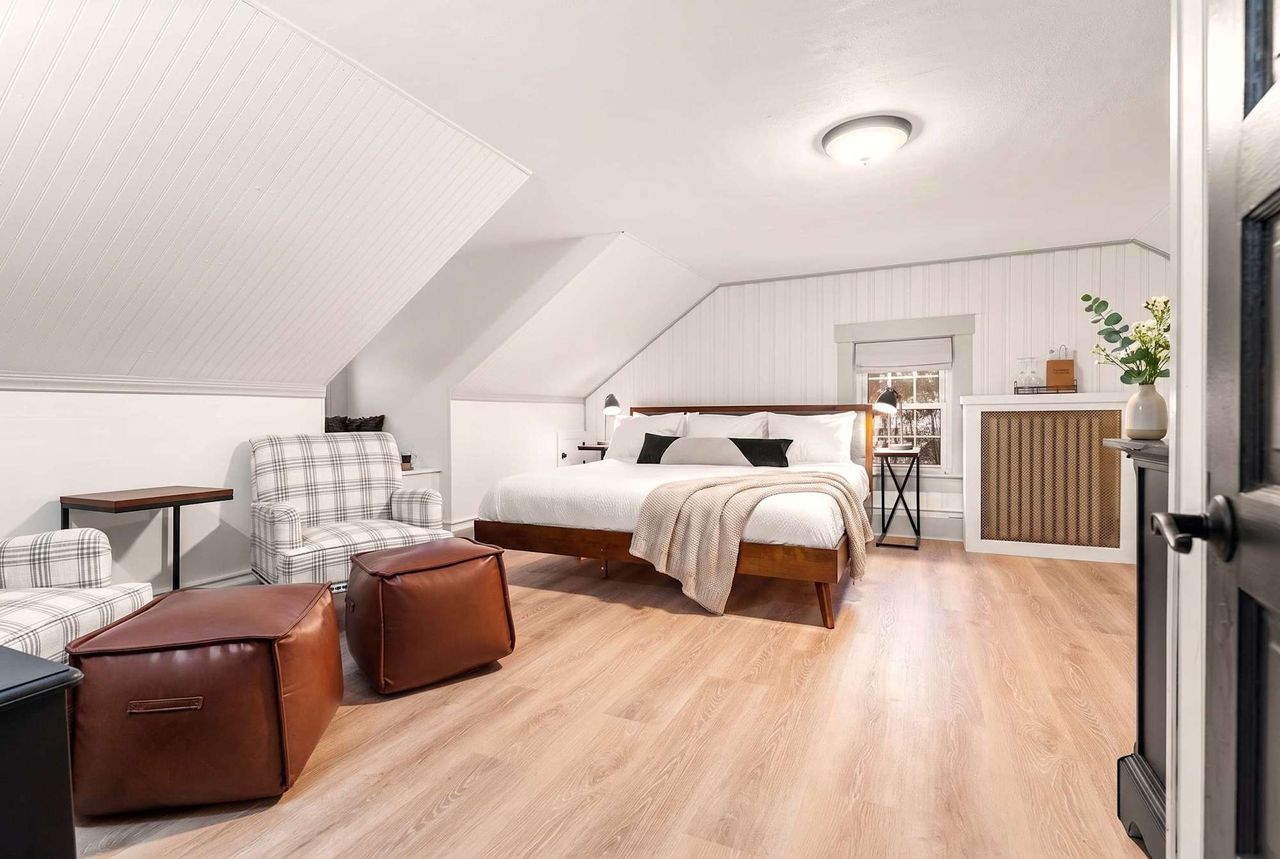
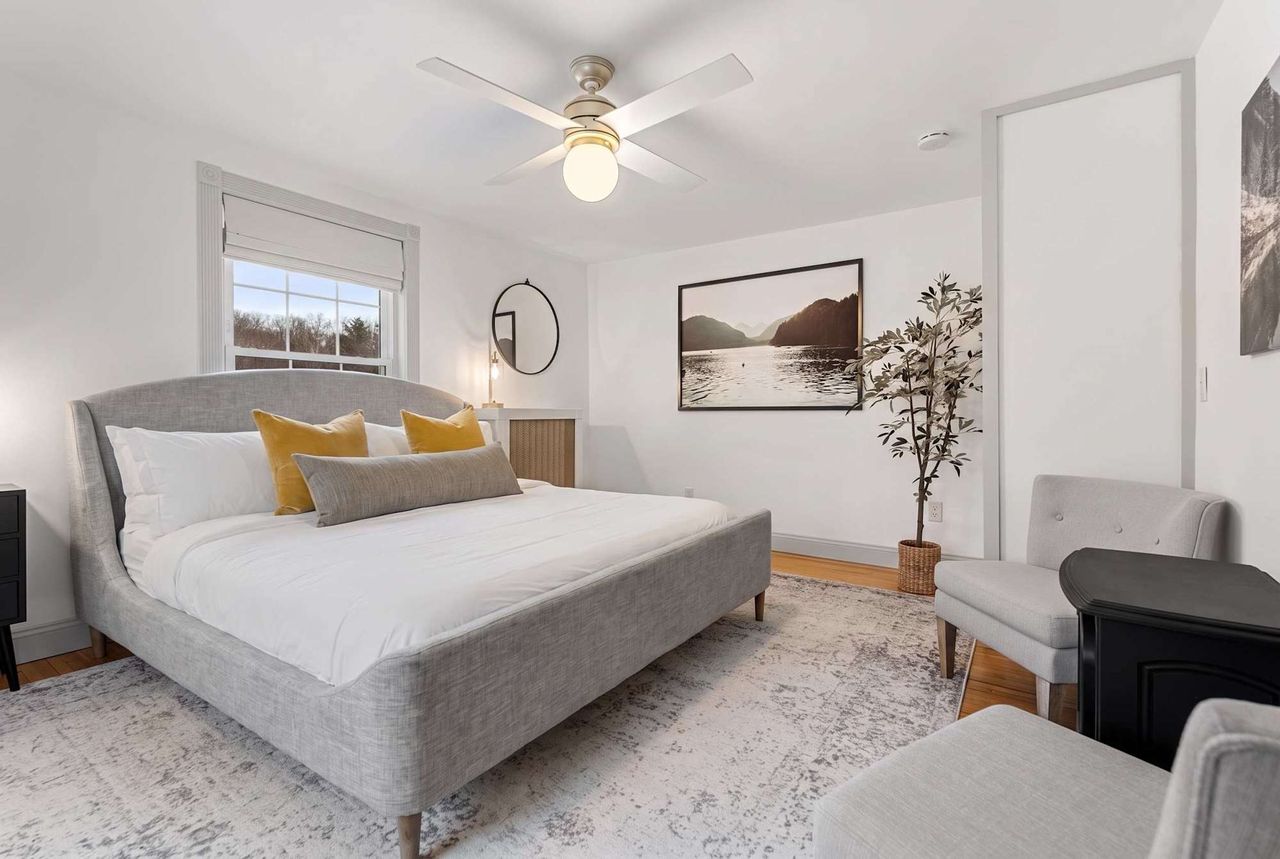
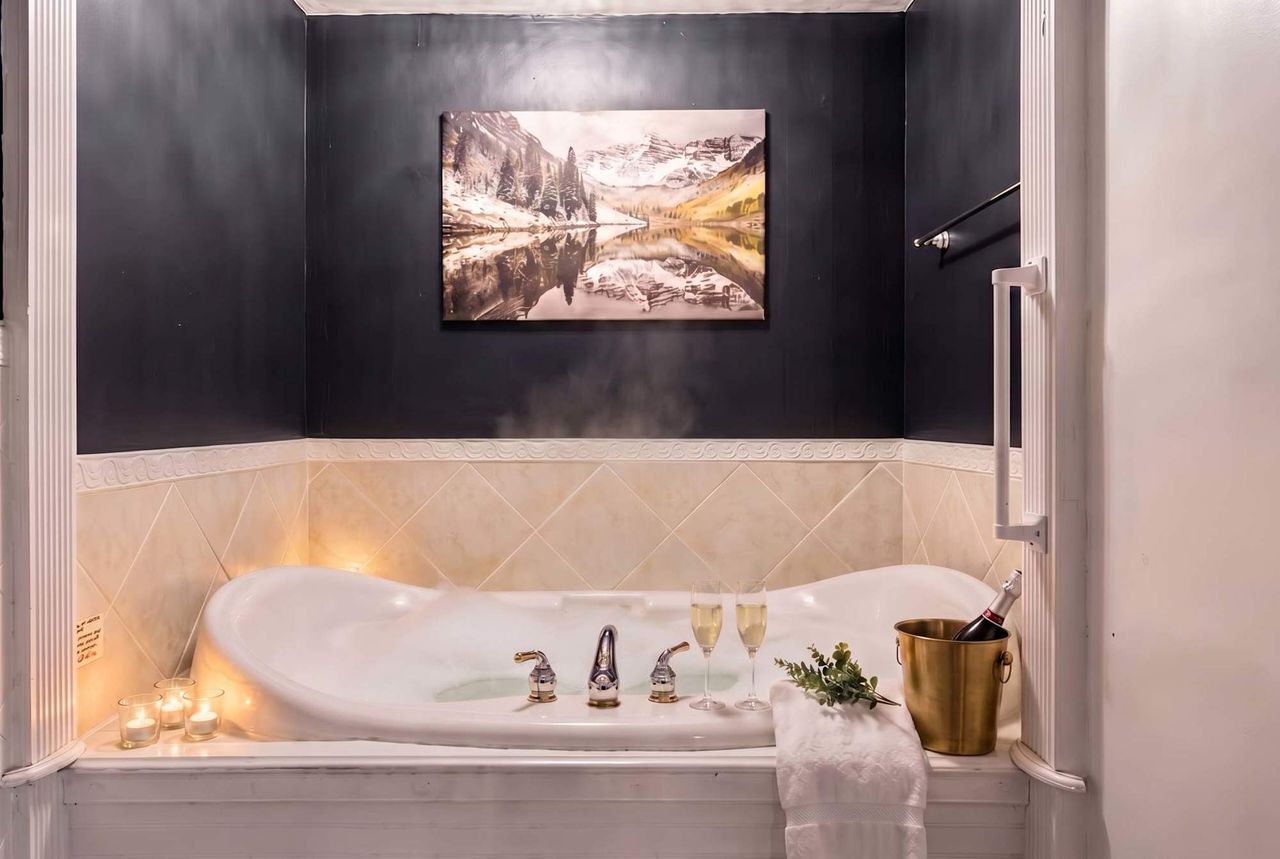
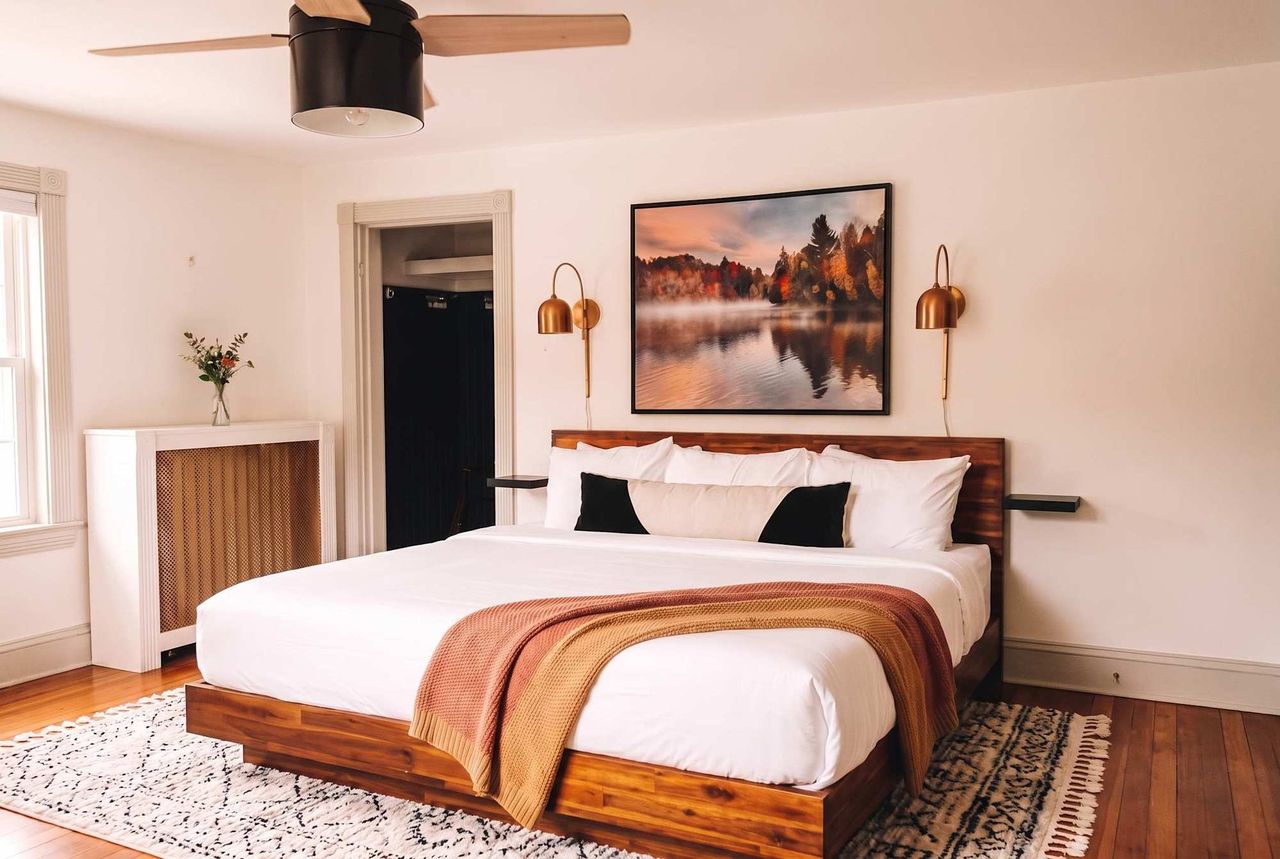
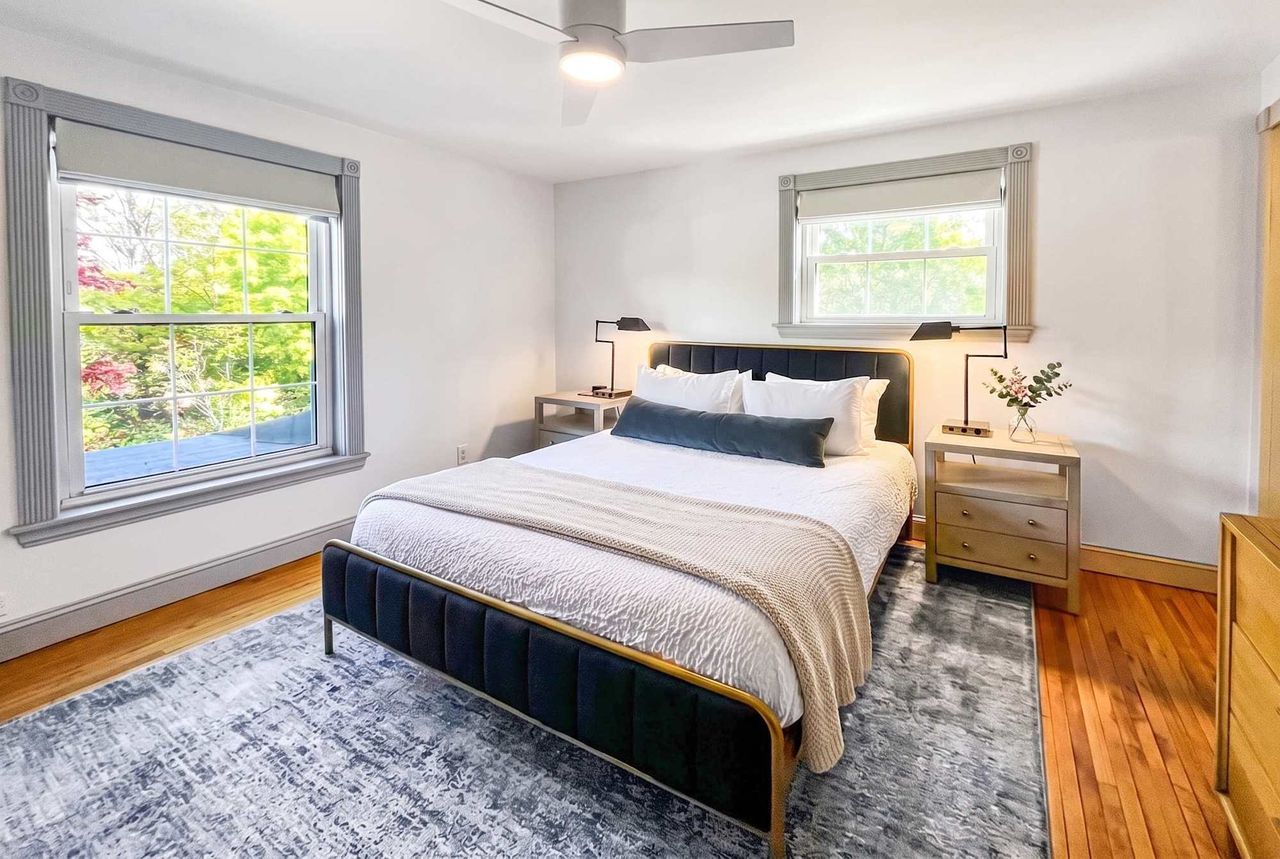
The suites are built for exactly this rhythm: come back cold, warm up by the fireplace in your suite or the sitting room, and have a quiet, mostly television-free evening before dinner in town. We are adults-only, so it stays calm and grown-up after a hard day on the hill. We do not sell lift tickets or set ski prices, but you can message us the night before to ask which mountain looks best, where to rent gear locally, and what is open for apres. For live nightly availability and rates, check our booking calendar or just ask us.
Sources & official info: loonmtn.com · cannonmt.com · brettonwoods.com · waterville.com · skinh.com · nhpr.org
— Launchpoint Lodge, From the lodge