New York to the White Mountains is the longest of the common approaches to the lodge, about five hours and roughly 300 miles. It is also the one that changes the most from start to finish, city to suburbs to the Connecticut River valley to the mountains, so plan it as a proper road trip rather than a dash and the driving becomes part of the weekend instead of a tax on it.
The route works its way up through Connecticut and Massachusetts and, like every approach to Lincoln, finishes on Interstate 93 North at Exit 32. At five hours, when you leave and where you break it matter more than they do on the shorter drives from Boston or Portsmouth, so most of this guide is about getting those two decisions right.
What follows is the route as our New York guests actually drive it, where to stop for gas and a real meal, how to time the departure around the Connecticut traffic, and what changes in foliage season and winter. Because check-in here is keyless and your door code arrives the day before arrival, once your check-in form and payment are complete, a late arrival after a long day on the road is never a problem.
The route north
From the city you head up through Connecticut. Most navigation uses Interstate 95 or one of the parkways, the Merritt or the Hutchinson, to reach Interstate 91 North at New Haven, then climbs the Connecticut River valley toward Hartford. There is no single magic route, and the through-line is simply that you are working your way toward I-93 North and Exit 32 for Lincoln.
There are two sensible ways to cross into New Hampshire from there. The efficient route cuts east at Hartford onto Interstate 84 to Sturbridge, Massachusetts, picks up the Massachusetts Turnpike, Interstate 90, and then works north on Interstate 495 or Interstate 290 to join I-93 North. The more scenic alternative stays on I-91 up the river valley through Springfield and Northampton before turning east to reach I-93. The first is usually faster; the second is prettier and quieter, and either one lands you on the same final stretch.
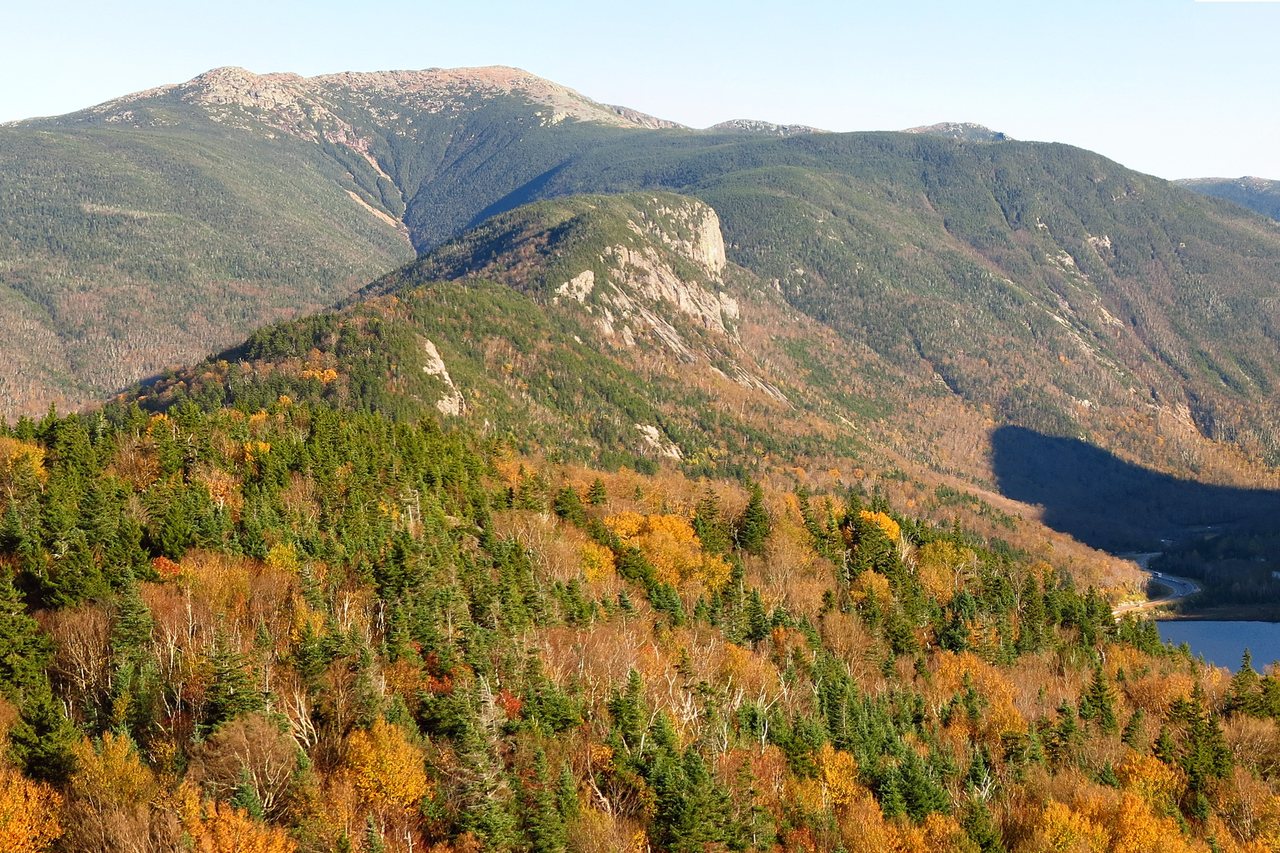
That final stretch, once you are on I-93 in New Hampshire, is the reward. The highway climbs, the mountains close in through the windshield, and you come off at Exit 32 with the Kancamagus Highway at the end of the street. The lodge is about 5 min past the exit, in the middle of Lincoln.
One thing worth knowing before you set out for winter: just north of Lincoln, I-93 narrows from a full interstate into the Franconia Notch Parkway, a two-lane road that runs through the state park. It is beautiful and it is exposed, which matters when the weather turns, but on the drive up from the city you are on wide highway almost the whole way.
When to leave to beat traffic
Getting clear of the city is its own hurdle before the highway miles even begin. From Manhattan and points south you are dealing with the Cross Bronx Expressway and the bridge approaches, which crawl at almost any hour; from the northern boroughs and Westchester the Hutchinson River Parkway is the usual way up and out. However you leave, the aim is to reach open highway in Connecticut before you settle in for the long stretch.
For a five-hour drive, clearing the metro area outside rush hour is worth real effort, and it is the single thing that most changes how the trip feels. Two windows work well. A very early Friday start, on the road before the morning rush, gets you to the mountains with the afternoon still ahead of you. A departure after the evening rush, say seven o'clock or later, trades daylight for empty roads and an evening arrival.
The places you lose time are predictable. The Connecticut stretch of I-95 through Stamford, Bridgeport, and New Haven is the worst of it, and Hartford is the second pinch point. On a bad Friday afternoon those two can add an hour between them. The Merritt and Hutchinson parkways dodge some of the I-95 truck traffic, though they are slower by design and closed to trucks, so they suit a scenic pace more than a fast run.
Foliage weekends, roughly late September through mid-October, add their own traffic once you reach New Hampshire, especially on I-93 near the notch. In that season the early start pays off twice, on the way out of the city and again as you near Lincoln.
The return is its own decision. Sunday afternoon southbound on I-93 and back through Connecticut is the heaviest traffic of the weekend. An early Sunday departure beats most of it, and a Monday checkout beats all of it. Checkout here is 10 AM, so a Sunday-night-into-Monday plan gives you a relaxed final morning and an easy drive home.
Where to break the drive
The natural halfway point falls in central Connecticut or just over the Massachusetts line, and a real meal stop there resets the whole drive. Which stop makes sense depends on the route you chose.
If you take the Sturbridge route across the Mass Pike, Old Sturbridge Village in Sturbridge sits right where I-84 meets the turnpike. It is the largest outdoor living-history museum in New England, and it makes a leg-stretch with something to see rather than a parking-lot sandwich. If you stay on the scenic valley route, Northampton, Massachusetts, is a college town on I-91 with good food and an easy exit and re-entry.
The most useful stop of all comes near the end. The Common Man Roadside at the Hooksett Welcome Center sits on I-93 in New Hampshire, with facilities on both the northbound and southbound sides, and it has an Irving gas station, a full food operation, a New Hampshire state liquor store, and EV chargers. This is the place to top off your tank. Once you are past Lincoln, the Kancamagus Highway runs 34 miles to Conway with no gas, no services, and no cell signal for its entire length, so arriving in town with a full tank saves you a backtrack later in the weekend.
Driving in foliage season and winter
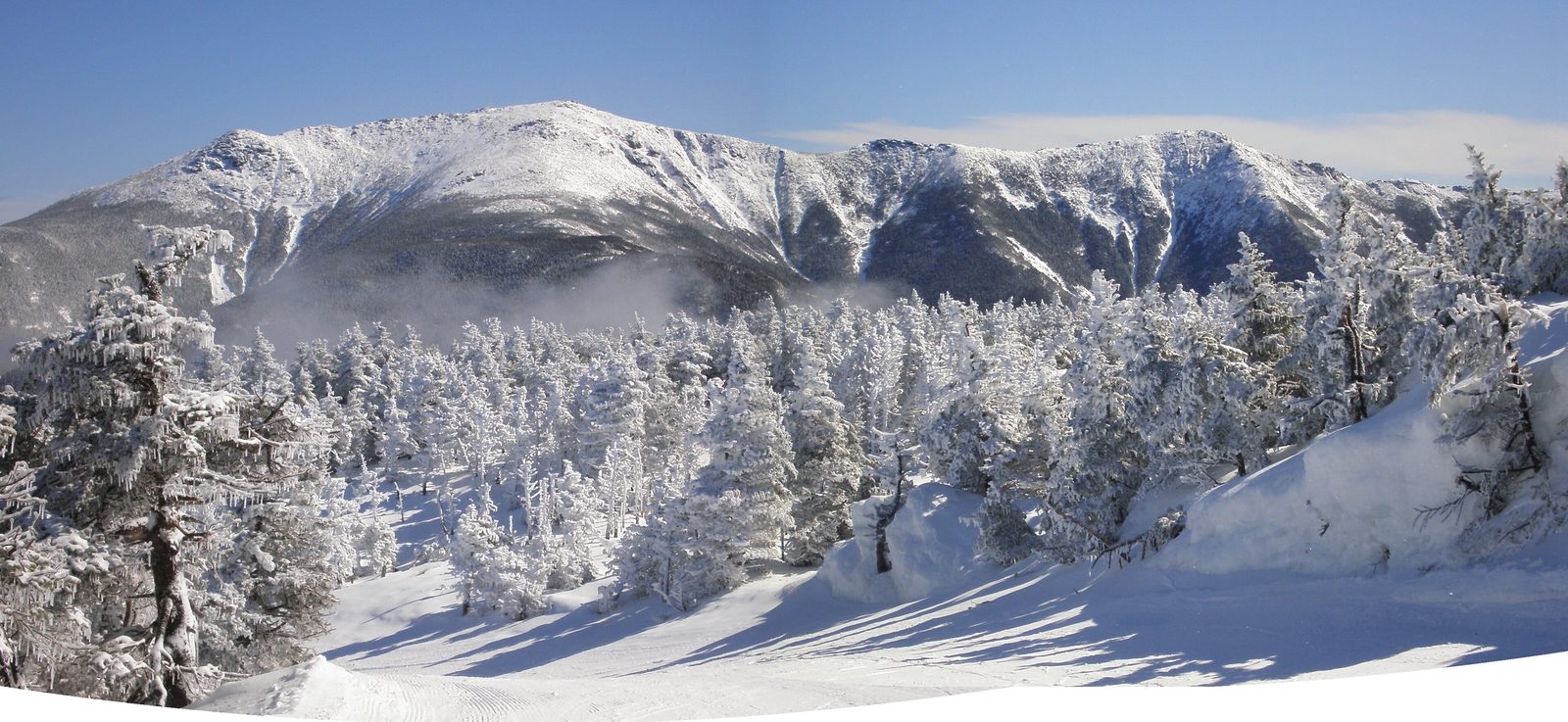
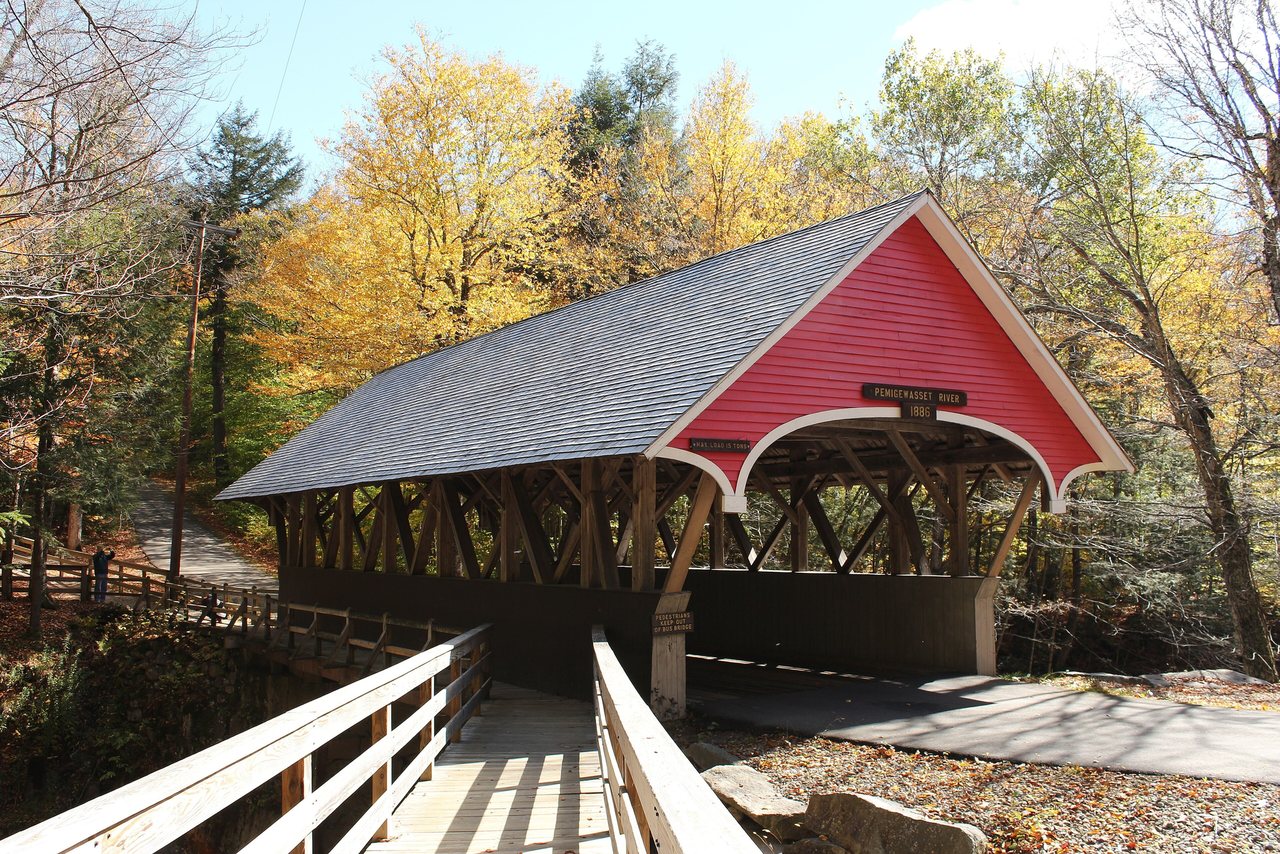
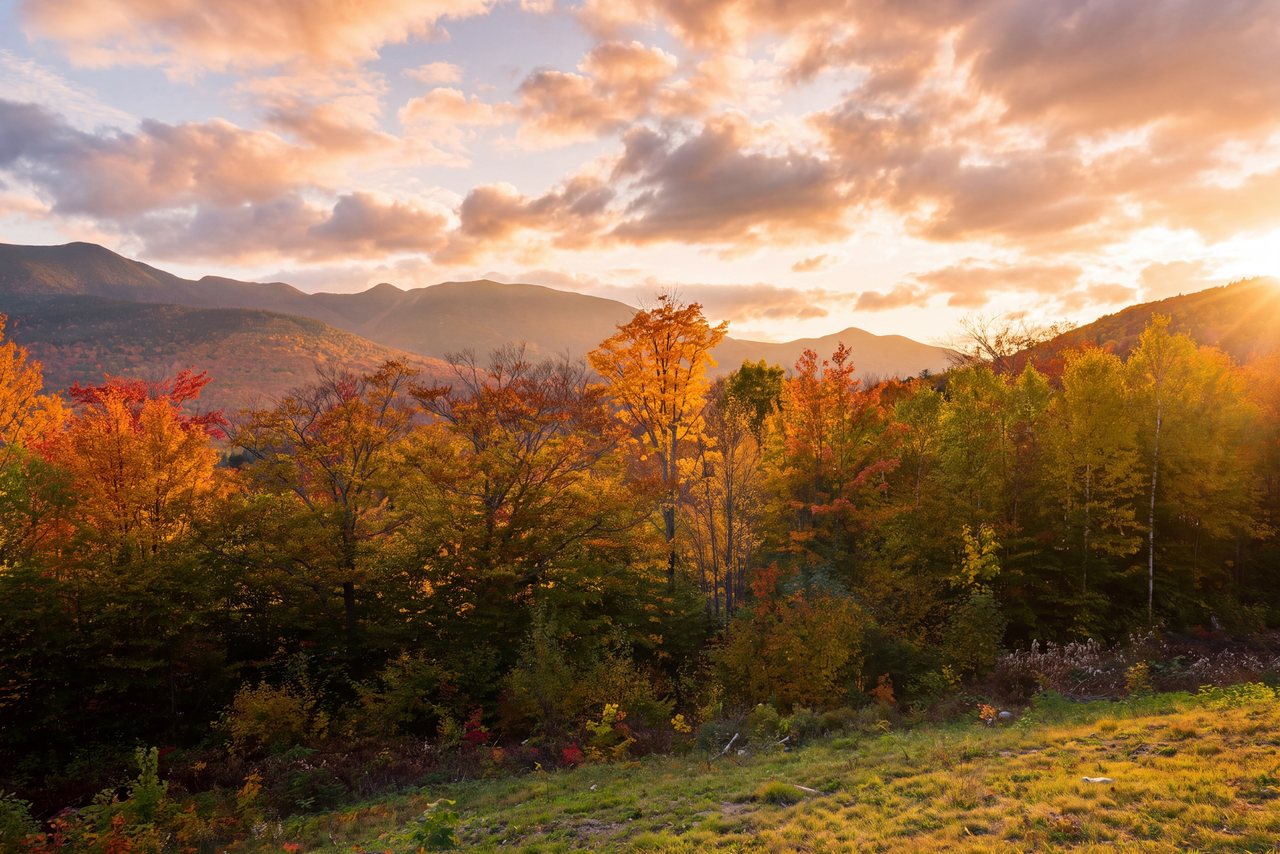
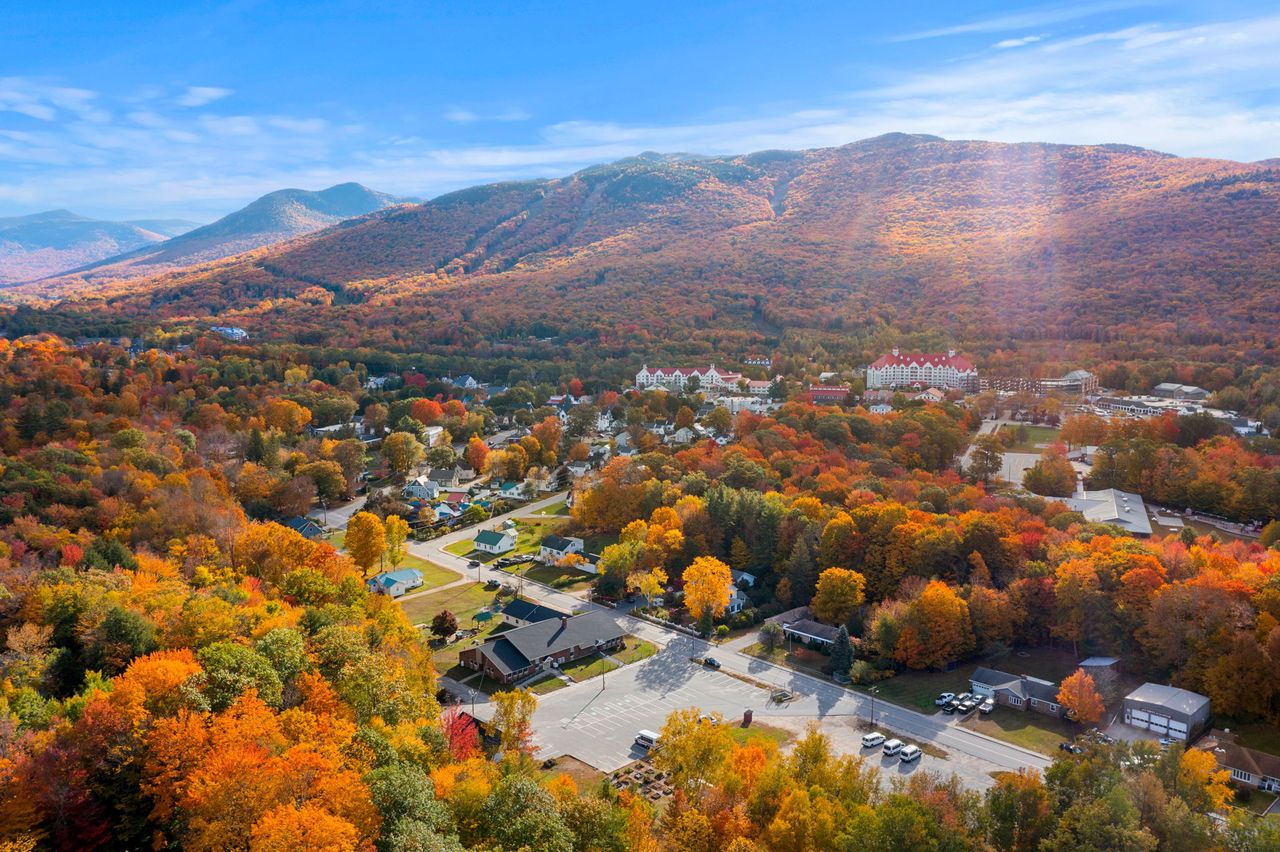
Foliage is the busiest and, for many, the best time to make this drive. Peak color in the notch usually lands from late September into mid-October, though it shifts a little each year with the weather. Book ahead, leave early, and expect company on the roads near the mountains; the payoff is the last hour of the drive with the ridgelines turning over.
Winter changes the calculus for the final miles more than for the highway. The Franconia Notch Parkway north of Lincoln is a narrow, exposed two-lane road through the state park, and snow and wind can be serious there when a storm moves through. All-season or winter tires are the sensible minimum, and it is worth checking road conditions before the last leg. The drive up from the city is plowed interstate almost the whole way, so the caution is really about the local roads and the notch, not the trip itself.
If you plan to park at trailheads while you are here, the White Mountain National Forest parking pass is $5 a day or $30 for the year, sold at the trailhead kiosks and locally. It is a small thing to sort out before your first hike rather than at the trailhead in the cold.
Flying instead of driving
For a short trip, a fly-drive is worth pricing out. Manchester-Boston Regional Airport, MHT, is the closest, about an hour south of Lincoln straight up I-93, and it is smaller and quicker to move through than a big hub. Boston Logan, BOS, is about two and a quarter hours away and has far more flights from the New York airports. Either one means a rental car and a drive north.
For most of our New York guests the direct drive still wins once you add airport time, security, and a one-way rental to the math, and the drive delivers you and your bags to the door without a transfer. But if you are tight on days and the flight timing is right, flying into Manchester and driving the last hour is a clean way to shorten the trip. Whichever way you arrive, the keyless check-in means a late landing is not a problem.
What's close once you arrive
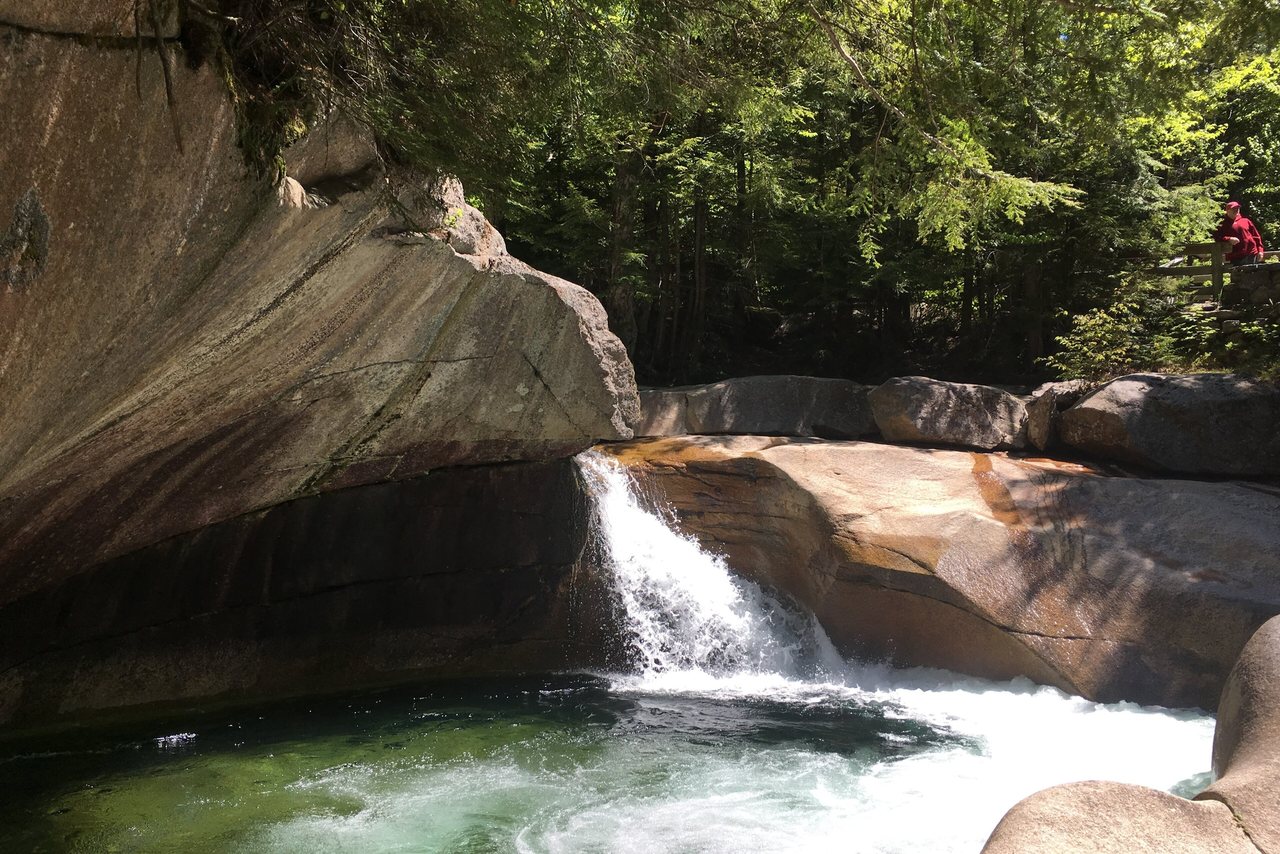
The reason to drive five hours to a town in the middle of the mountains rather than one on their edge is that once you are here, everything is close. Loon Mountain is about 6 min east. Franconia Notch State Park is about 10 min north, with the deep-notch overlooks a few minutes past that. Flume Gorge, a boardwalk loop through an 800-foot granite gorge, is about 12 min away and runs on timed, seasonal entry, so it is worth reserving. The Basin, a glacial pothole worn smooth by meltwater, is a 5 min walk from its lot with no ticket at all. And the Kancamagus starts at the end of the street.
A few things have changed lately and are worth knowing before you plan a day around them. Cannon Mountain's aerial tramway has been retired and no reopening date has been announced, though the ski area itself still operates. The Old Man of the Mountain came down in 2003; the profiler plaza at Profile Lake, where you can line up the old view, is still there. And the Lincoln Woods Trail is closed from June 15 into November 2026, so if you are planning Pemigewasset Wilderness hikes this year, plan them from other trailheads. In town, Lincoln has food and a brewery, Basecamp Brewing, a few minutes from the house.
Where to stay when you arrive
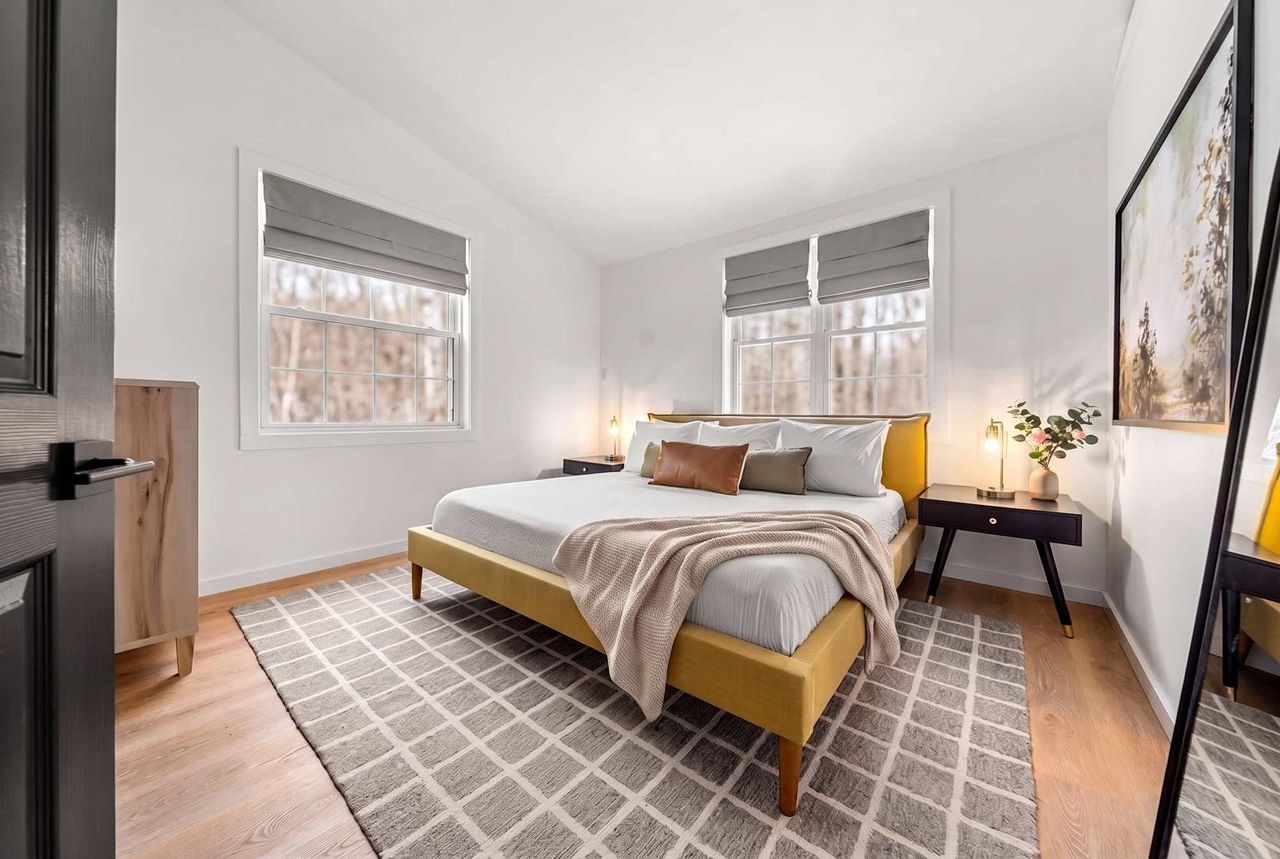
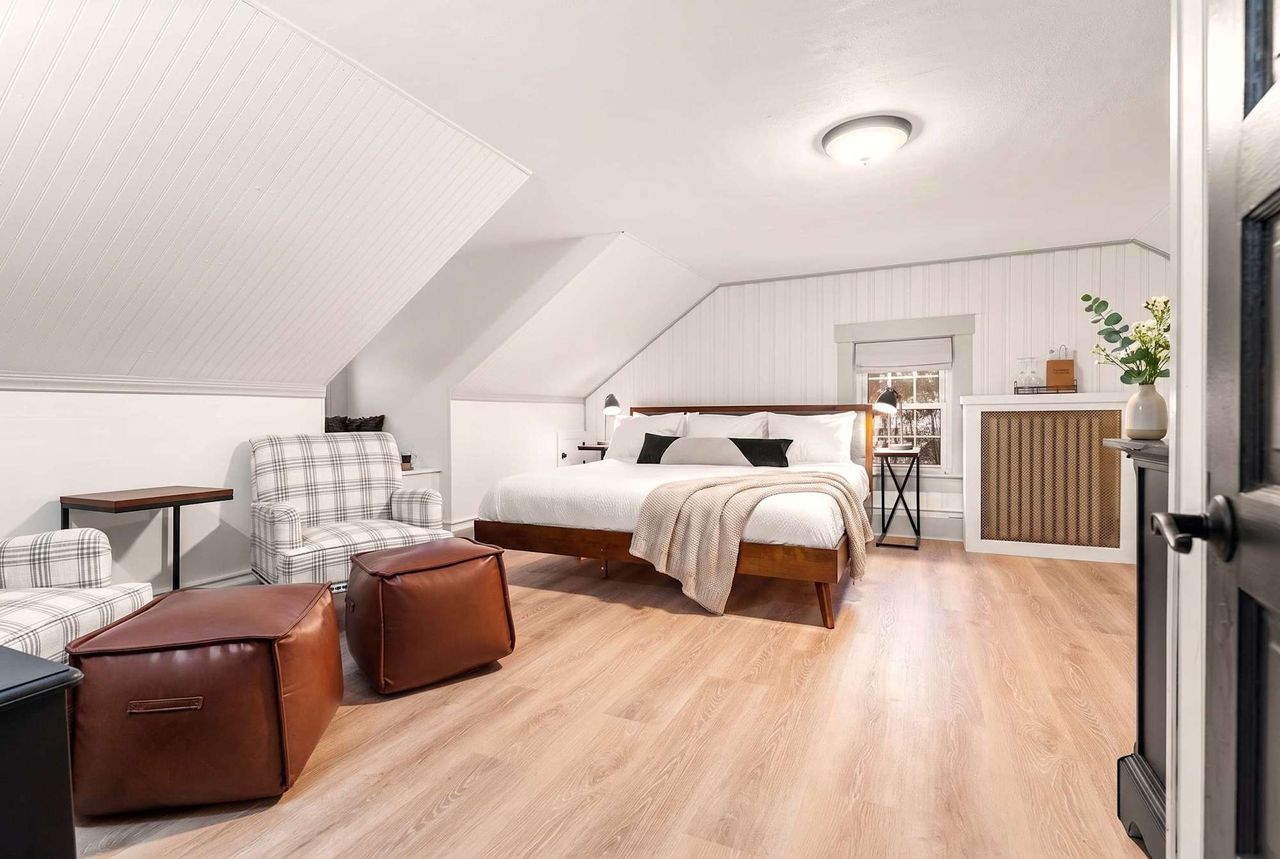
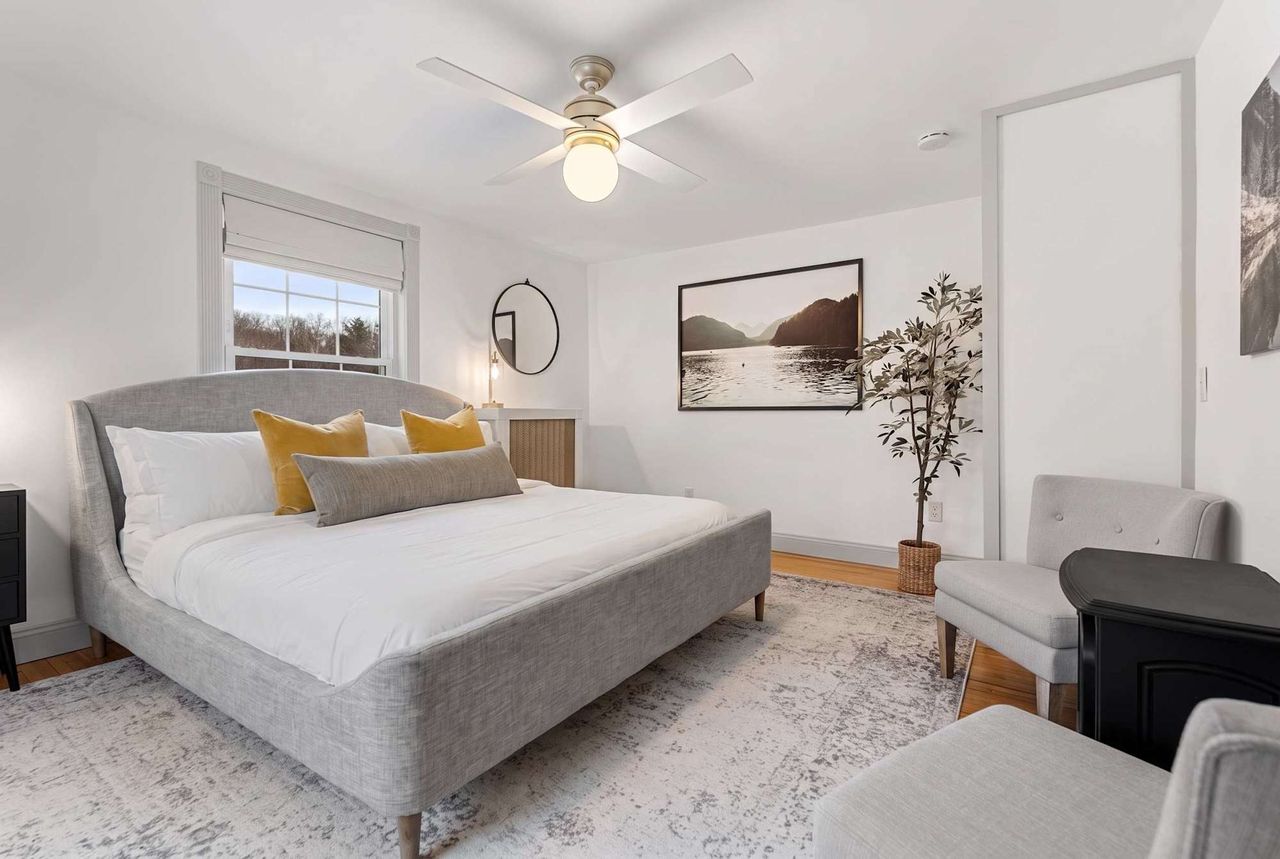
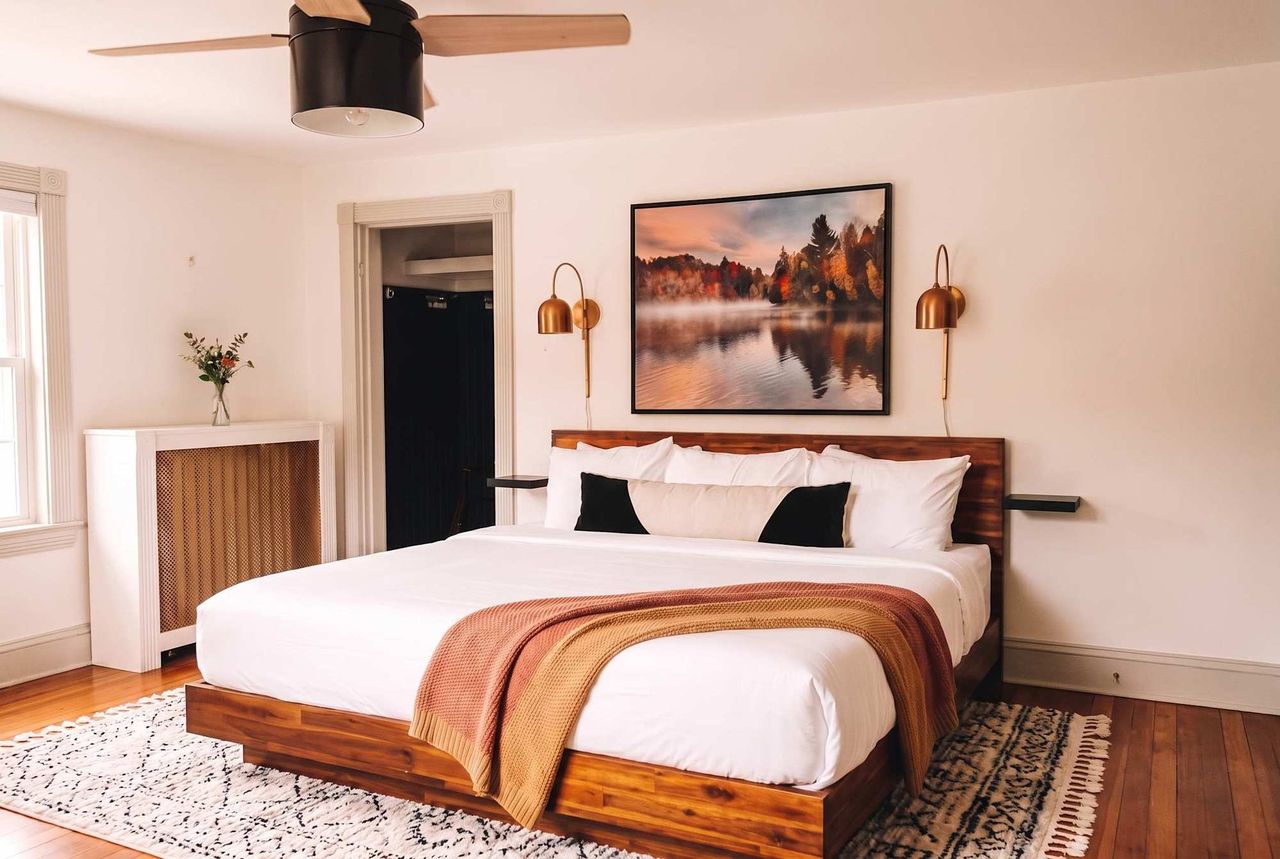
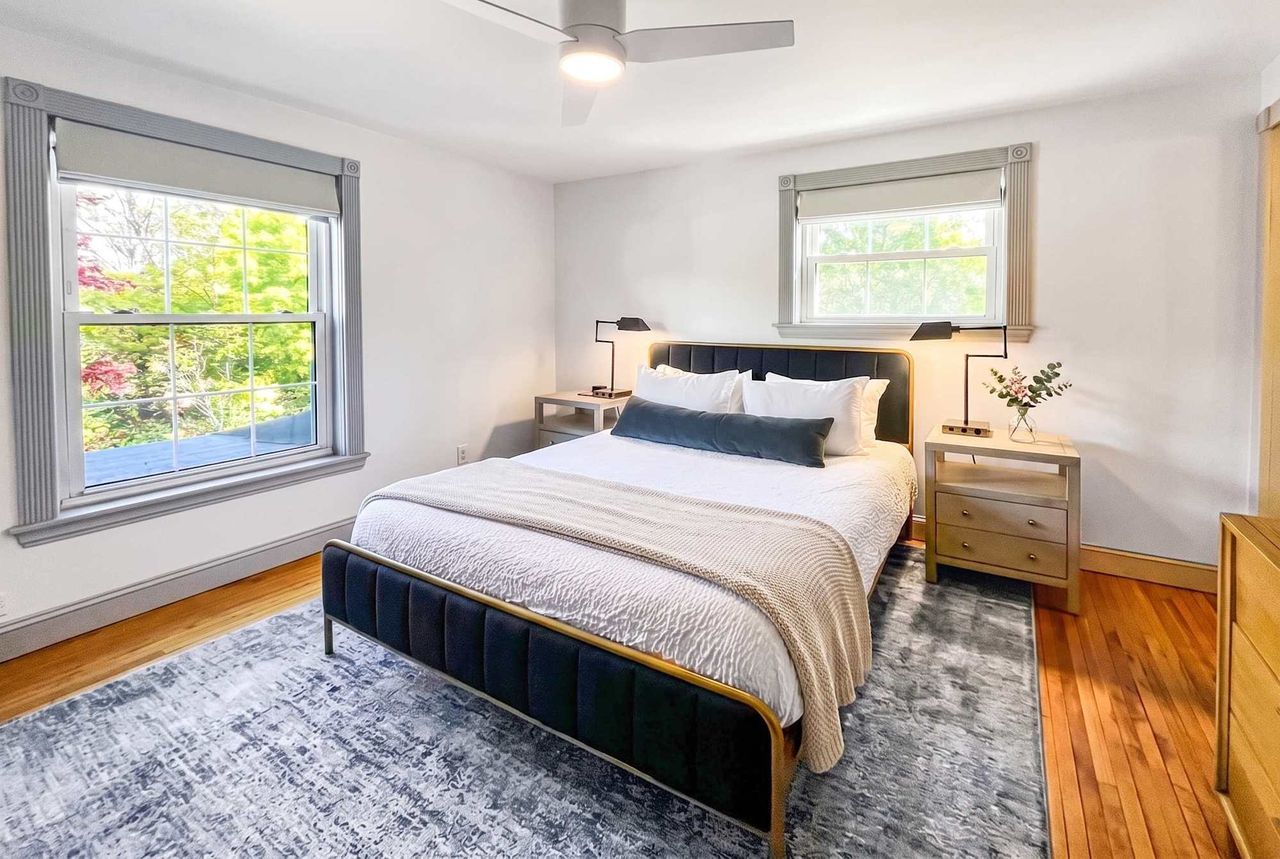
After five hours from the city, the lodge is the quiet end of the drive: six adults-only suites in a restored 1902 colonial in the middle of Lincoln, about 5 min past Exit 32. Check-in is keyless and self-serve, so your door code reaches your phone ahead of time and you let yourself in whenever you land. That is what makes the after-work departure and the late arrival work, since the drive up runs on your clock. Check-in is 3 PM and checkout is 10 AM.
Five of our six suites are TV-free by design, and the coffee lounge starts the morning. A drive this long rewards a longer stay: three or four nights turns the driving into a small share of the trip and leaves room for two real hikes, a slow day on the Kancamagus, and actual rest. The best rate is always direct, so book with us rather than through a third party.
Sources & official info: visitnh.gov · nhstateparks.org
— Launchpoint Lodge, From the lodge