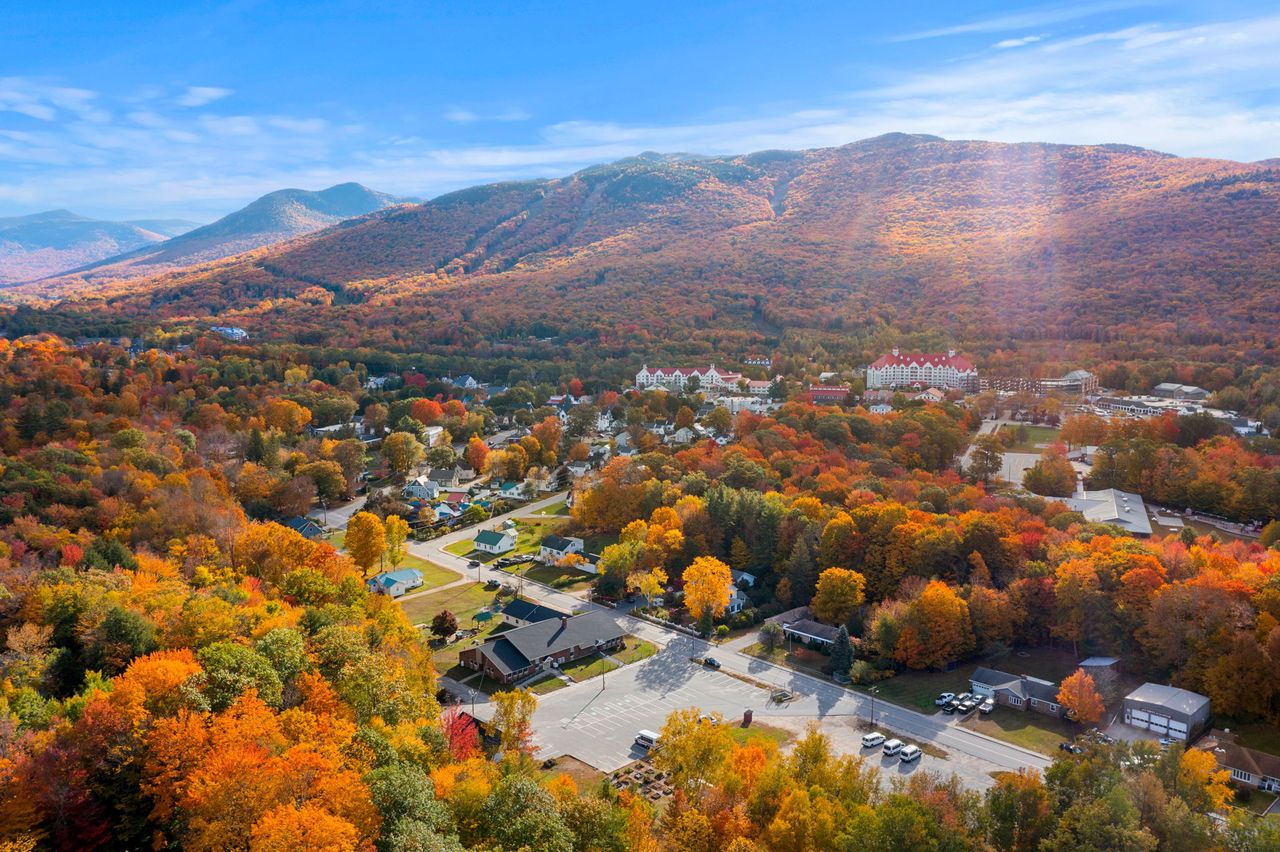
Lincoln, New Hampshire is not a destination so much as a doorway. It sits at Exit 32 off Interstate 93, at the western mouth of the Kancamagus Highway, a few minutes below Franconia Notch and directly across the Pemigewasset River from its twin village, North Woodstock. Almost everything people mean when they say "the White Mountains" is within a half-hour drive of the traffic light on Main Street. That central position is the single most useful fact about the town, and it shapes every recommendation in this guide.
We wrote this because the pages that currently rank for "things to do in Lincoln" mostly repeat one another, and they rarely tell you what has changed. So here is our guide for the 2026 season, with the closures and changes worth knowing before you go. The Cannon Mountain aerial tram is retired, and no reopening date has been announced. The Flume Gorge is a spring-to-foliage attraction that shuts entirely in winter. Part of the Lincoln Woods Trail is closed for river-bank repair through late 2026. Swimming is prohibited and enforced at one of the prettiest-looking spots on the Kancamagus. Knowing these things before you drive out saves a wasted morning.
This is the master hub. It covers the four big draws, the free sights most visitors miss, hiking at every level, scenic drives, swimming holes, the family-attraction strip framed for who it suits, breweries and food, winter, rainy-day options, and how the seasons really play out. Where a topic has its own deep guide on this site, we point you to it. Read this once and you will understand the area better than almost anyone arriving at the same time as you.
Where Lincoln sits, and how to think about the area
Lincoln and North Woodstock are effectively one small mountain community split by the Pemigewasset River and a town line. Lincoln, on the east side, holds most of the lodging, the outlet shops, Loon Mountain and the start of the Kancamagus Highway. North Woodstock, just south and west, is the more walkable old village, with the Woodstock Inn Station & Brewery, a cluster of restaurants, and the road up to Lost River. You will cross between the two without noticing. Together they are the most centrally located base in the White Mountains, which is exactly why we chose to run an inn here.
Picture the area as four spokes radiating from that Exit 32 light. North on I-93 takes you into Franconia Notch State Park in about 10 min. East on Route 112, the Kancamagus, carries you 34 miles over a pass to Conway with no services in between. Loon Mountain is 6 min from the lodge, east of town on Loon Mountain Road. And the family attractions line up along Route 112 west and Route 3, within a 5 min drive. Nothing on this list is far. A common first-timer mistake is over-scheduling as if these were big distances; they are not. The friction is parking, timed tickets and crowds, not miles.
Because everything is close, the smart way to plan is by weather and by crowd timing rather than by geography. Save the exposed ridgelines and the open summits for the clear mornings. Push the Flume Gorge and Loon gondola to the first hours after opening or the last hours before close, when the tour-bus surge thins out. Keep a rainy-day list in your back pocket. And accept that on a peak foliage Saturday in early October, the Kancamagus and the Notch will be busy no matter what you do, so start early or go late. The rest of this guide is organized to help you make those calls.
The four big draws, at a glance
If you only have a weekend, four attractions carry the area, and it helps to understand what each one is before you commit a half-day to it. Franconia Notch State Park is the mountain pass immediately north of town, a dramatic glacial cleft between the Franconia and Kinsman ranges that holds a remarkable number of sights within a few miles: the Basin, Echo Lake, Profile Lake and the Old Man of the Mountain memorial, the Flume Gorge, and trailheads for some of the best hiking in the East. Our full write-up lives at the Franconia Notch State Park guide under Discover Lincoln.
The Kancamagus Highway, Route 112, is the scenic drive, a 34-mile mountain byway climbing to nearly 3,000 feet at the Kancamagus Pass before dropping toward Conway. It is a drive, not a single stop, punctuated by overlooks, waterfalls and swimming areas. The Loon Mountain Resort is the four-season resort just east of town: a ski area in winter, and in summer a gondola to the summit, glacial caves, ziplines and an adventure park. The Flume Gorge is the boardwalked natural chasm inside Franconia Notch, one of the most-photographed spots in the state and, importantly, a seasonal one that closes in winter.
Between them, these four suit different travelers. Franconia Notch and the Kancamagus reward anyone who likes scenery and short walks and cost little or nothing. Loon is the most family-friendly paid attraction and the winter engine of the whole town. The Flume is spectacular but requires timed reservations in high season and involves a fair amount of climbing on stairs. Each has its own dedicated guide on this site under Discover Lincoln, linked throughout below, so this hub gives you the overview and the plain caveats, and those pages give you the fine detail.
Franconia Notch State Park: the free sights and the tram update
Franconia Notch is the crown of the area and, dollar for dollar, the best few hours a first-time visitor can spend. The Basin is the easiest win: a large glacial pothole where the Pemigewasset River has swirled a granite bowl smooth over roughly 25,000 years, reached by a paved, nearly flat few-minute walk from a free pullout off the parkway. It costs nothing, it is stroller-friendly, and it is worth the 10 min. Our Basin guide has the parking specifics; the short version is that it is one of the few marquee sights here with no fee at all.
A little farther north sit Echo Lake, with a small state swimming beach and boat rentals at the foot of Cannon Mountain, and Profile Lake, below the ledge where the Old Man of the Mountain once looked out. The Old Man, the stone profile that was New Hampshire's state symbol, collapsed in May 2003. In its place is the Old Man of the Mountain Profiler Plaza, a thoughtful little memorial where steel "profiler" rods, viewed from the right spot, restore the profile against the cliff. It is a quiet, moving stop and it is free. Nearby, Artist Bluff and Bald Mountain offer a short, steep scramble to one of the finest overlooks in the Notch, looking down the length of Echo Lake and the ski slopes; see our Artist Bluff and Bald Mountain hike guide for the loop.
Now for the biggest change in the notch. Do not plan your trip around riding the Cannon Mountain Aerial Tramway. After 45 years, Cannon retired its tram on October 26, 2025, and the state is funding a next-generation replacement; no reopening date has been announced. The tram is not running and will not be for years. The ski area's other lifts still operate in winter, and you can still hike or, in season, take other lifts, but any list telling you to "ride the tram to the summit" is simply out of date. Plan the New England Ski Museum and the summit hike instead if you want the top of Cannon.
The Kancamagus Highway: the drive, the stops, and the 34-mile rule
The Kancamagus, locals just say "the Kanc," is the classic White Mountain drive and it begins right in Lincoln. Route 112 climbs east out of town, tops out at the Kancamagus Pass near 2,855 feet with a long-range overlook, then descends along the Swift River to Conway. Driving it end to end without stopping takes under an hour, but you will stop, so budget two to four hours round trip depending on how many overlooks and waterfalls you visit. It is a National Scenic Byway, and in foliage season it is one of the most beautiful stretches of road in the country. Our Kancamagus Highway guide breaks down the stops in order.
Here is the rule that catches people out: there are no services on the Kancamagus. No gas, no food, no stores, and no reliable cell signal for the full 34 miles between Lincoln and Conway. Fill your tank in Lincoln, bring water and snacks, download your map offline, and do not count on your phone for navigation or emergencies once you are over the pass. This is not a wilderness expedition, it is a paved state highway, but it is a long one through the national forest, and the lack of a shoulder in places plus heavy leaf-peeping traffic in October means you should not treat it casually.
The best short stops, west to east: Sabbaday Falls, an easy third-of-a-mile gravel walk to a three-tier flume that is one of the most rewarding low-effort waterfalls in the mountains (WMNF fee site, more below); Rocky Gorge, near the Conway end, a granite chasm crossed by a footbridge with an easy loop to Falls Pond; and Lower Falls, the area's main sanctioned swimming spot. See our Sabbaday Falls and Rocky Gorge guides for the details, and read the swimming section below carefully before anyone gets in the water, because the rules at Rocky Gorge are not optional.
Loon Mountain in summer: the gondola, the caves, and who it's for
Loon Mountain is the most family-friendly paid attraction in Lincoln, and its summer operation centers on the White Mountain Express gondola. You ride an enclosed cabin to the 2,733-foot summit, where there is a café, viewing platforms and a network of short summit trails and a viewing tower. Crucially, access to Loon's Glacial Caves is included with a gondola ticket. The caves are a cluster of passages and crevices formed among granite boulders left by the last ice age; you climb, duck and squeeze through them on a self-guided loop near the summit. Kids love them, and reasonably fit adults enjoy them too, though anyone with claustrophobia or mobility limits should know they involve tight, uneven spaces.
Beyond the gondola, Loon runs an Adventure Center with ziplines, an aerial forest ropes course, a climbing wall, mountain-bike terrain, Segway tours and seasonal add-ons. It is priced and packaged the way resort activities usually are, so it is not the budget option, but it is well run and it concentrates a lot of activity in one convenient place 2 min from town. Summer operating hours run roughly Monday through Sunday from morning to late afternoon, with the caves keeping the gondola's schedule; because exact hours and pricing shift by month and weather, check Loon's site or ask us for the current details rather than relying on a number printed here.
who is Loon for? Families with children, first-time visitors who want a big view without a hard hike, and anyone visiting on a day too iffy for exposed ridge hiking but fine for a gondola. Serious hikers can get comparable or better summit views for free by walking, and budget travelers may prefer the free overlooks in the Notch. But for a relaxed half-day with a guaranteed payoff and no route-finding, the gondola and caves earn their keep. Our Loon Mountain guide has the fuller picture, including how the summer operation relates to the winter ski area.
The Flume Gorge: spectacular, seasonal, and worth reserving ahead
The Flume Gorge is the single most-photographed natural attraction in the area, and it lives up to it. A boardwalk clings to the wall of a narrow granite chasm where Flume Brook runs between mossy 70- to 90-foot walls, and the standard loop is roughly two miles with a fair amount of stair climbing and some dramatic passages. It is inside Franconia Notch State Park and it is a paid, ticketed attraction operated by the state. Allow a good 90 min to two hours to do the full loop comfortably; it is more of a walk than most people expect, not a quick photo stop.
Two things determine whether your visit goes well. First, it is seasonal. The Flume typically opens in early-to-mid May and closes after foliage season in late October, then shuts completely for winter; the boardwalks come out and there is no winter access. For 2026 the operating window runs roughly May 8 through October 25, with hours shifting by month. Second, in the busy summer and fall months you should reserve a timed-entry ticket online in advance. Walk-up availability is not guaranteed, and on a peak day you can be turned away or left waiting. Buying a specific arrival window online is cheaper than the ticket window and removes the gamble.
Go early or late to dodge the tour-bus crowds, wear real shoes because the stairs and boardwalks get slick, and know that the loop is one-directional and involves climbing, so it is not ideal for anyone who cannot manage stairs. If mobility is a concern, the covered bridge and the lower portions still reward a short visit even if you skip the full gorge climb. Our dedicated Flume Gorge guide covers the reservation system, the accessibility details and the best times to go in more depth.
Hiking, from a flat stroll to the Franconia Ridge
Lincoln is one of the best hiking bases in the Northeast because you can dial the difficulty from a 10 min walk to an all-day alpine traverse, all from the same town. At the easy end, the Basin and Sabbaday Falls are essentially paved or graveled walks under a mile that deliver real scenery for almost no effort, and they are the right call with young kids or on a recovery day. Mount Pemigewasset, better known as Indian Head, is a moderate step up: a few miles round trip to a bald ledge with a wide-open view, and a good half-day objective. Our Mount Pemigewasset (Indian Head) guide has the specifics.
In the middle, two hikes stand out. Lonesome Lake is the classic family-friendly mountain hike, a steady climb from Lafayette Place in Franconia Notch to a high pond with the Franconia Ridge reflected in it and an Appalachian Mountain Club hut on the shore; see our Lonesome Lake guide and the Lonesome Lake Trail hike page. Artist Bluff and Bald Mountain is short but steep, with a big payoff for the effort. Welch-Dickey, a loop over two open granite domes just south of town, is one of the most rewarding moderate hikes in the region for the amount of open ledge and view it packs in; our Welch-Dickey Loop guide covers it.
At the top end is the Franconia Ridge Loop, one of the finest and most demanding day hikes in the country: roughly eight to nine miles over Little Haystack, Mount Lincoln and Mount Lafayette, with about a mile and a half of walking fully above treeline on an exposed ridge. It is serious. People get into trouble here every year because the weather on the ridge can turn violent and cold even when the valley is warm and calm. Do not attempt it in poor forecasts, start early, carry layers, and read our Franconia Ridge Loop guide and the safety notes below before you go. One more current note: part of the Lincoln Woods Trail, the flat river-walk approach to Franconia Falls, is closed for bank restoration from mid-June through late 2026, though the trailhead parking, suspension bridge and East Side Trail remain open; check our Franconia Falls / Lincoln Woods guide for the workaround.
Scenic drives beyond the Kancamagus
The Kancamagus gets all the attention, but it is not the only great drive from Lincoln, and if you have already done it or want something with services along the way, there are good alternatives. The most natural is the Franconia Notch Parkway itself, the stretch of I-93 that narrows to a two-lane parkway as it threads the Notch. Driven slowly with stops at the Basin, the Old Man site and Echo Lake, it is a scenic drive in its own right, and unlike the Kanc it has an information center and facilities.
For a longer loop, you can combine the Kancamagus east to Conway with a return north on Route 16 and west on Route 302 through Crawford Notch, past Mount Washington's flanks and the grand old resort at Bretton Woods, then back down I-93. That is a full day of driving with genuine variety: two mountain passes, waterfalls, and the option to add the Mount Washington Cog Railway or the auto road if you want to reach New England's highest summit without hiking it. It is a big loop, so treat it as the day's main event, not an add-on.
Closer to home, the drive up Route 3 and Route 175 toward Franconia and Sugar Hill is quieter and quietly beautiful, especially in foliage season, with classic New England village views and, in early summer, the famous lupine fields around Sugar Hill. Any of these can be done as a self-guided drive with our destination guides open on your phone, but remember the cell-service gap on the Kancamagus portion and download your maps before you leave town.
Swimming holes and the free natural sights
The Swift River along the Kancamagus is lined with swimming spots, and the water is beautiful, but it demands respect and some local knowledge. The main sanctioned swimming area is Lower Falls, toward the Conway end, where the river spreads over ledges into pools that warm up and calm down by early summer. When the water is low and slow it is a wonderful place to spend a hot afternoon; when it is high or fast after rain, do not get in, because the same ledges that make it fun create powerful currents. There is a fee lot and it fills early on hot weekend days.
The single most important safety rule on the Kanc concerns Rocky Gorge. It looks like an inviting place to swim and it is not. Swimming is prohibited and actively enforced at Rocky Gorge, because the current in that narrow chute is far stronger than it looks. Enjoy it as a scenic stop, walk the footbridge and the easy loop to Falls Pond, take your photos, and then drive the few minutes to Lower Falls if you want to get in the water. Our Rocky Gorge guide explains the enforcement and the alternative in detail. Please take this one seriously; the rangers do.
The area's best free sights are all natural and cost nothing beyond, in some cases, a parking fee. The Basin, the Old Man memorial plaza and Echo Lake in the Notch, Artist Bluff's overlook, and Georgiana Falls just south in North Woodstock, a locals' hike of about a mile and a bit to a series of cascades, reward anyone who prefers scenery to admission tickets. Georgiana Falls in particular is a quiet, under-marked hike from a small lot off Hanson Farm Road; our Georgiana Falls guide has directions, because the trailhead is easy to miss.
The family-attraction strip on Route 112
Lincoln and North Woodstock have a concentrated strip of classic family attractions, and it is worth being practical about who they suit, because they are the opposite of a quiet mountain experience. Clark's Bears, a Lincoln institution since 1949, is the anchor: trained black bear shows, a steam train ride with a comic "Wolfman" chase, a climbing tower, water rides and seasonal acrobat performances. It is nostalgic, a little kitschy, and beloved by families with elementary-age kids. It is a full half-day aimed squarely at children, so adults on a getaway may happily give it a pass.
Nearby, the Granite State Railway runs scenic excursion trains of roughly an hour to 90 min along the Pemigewasset, an easy, low-key outing that works well for small children, grandparents and anyone who likes a gentle ride over a hike. Whale's Tale Waterpark, on Route 3, is the region's water park, with a wave pool, tube slides and a shallow area for toddlers, open in the summer months and best on a hot day when you want the kids thoroughly worn out. Alpine Adventures, up in North Woodstock, is the higher-adrenaline option: zipline canopy tours and off-road excursions up Barron Mountain in ex-military vehicles, which suits older kids, teens and adventurous adults.
The practical summary: this strip is excellent if you are traveling with children and want reliable, weatherproof-ish fun close to town, and it is largely beside the point if you came for the mountains and quiet. Because our inn is adults-only, most of our guests treat this strip as good to know about rather than a reason to visit, but Alpine Adventures' ziplines and the Granite State Railway's foliage runs have genuine adult appeal. Prices and operating calendars for all of these shift by season, so check current hours before you drive over, or ask us and we will point you to the live information in our digital guidebook.
Breweries, food and the après scene
Lincoln and North Woodstock punch above their weight for food and beer, and the two anchor breweries are worth knowing about. In North Woodstock, the Woodstock Inn Station & Brewery is the long-running favorite: a brewpub in a converted railroad station with a large tap list, a broad American menu, several pubs and a seasonal patio. It is the reliable, crowd-pleasing choice for dinner after a day on the trail, and it fills up on weekends, so consider going early or reserving. In Lincoln, the brewpub locals long knew as One Love Brewery has rebranded and reopened as Basecamp Brewing at the same South Mountain Drive spot, with an in-house brewery, a rotating tap list, a kitchen and a patio. Because that transition is recent, confirm current days and hours before you go.
Beyond the two breweries, the area has the usual mountain-town range: a few sit-down restaurants, pizza and pub food, breakfast spots that get slammed on weekend mornings, coffee, and the outlet-mall food options in Lincoln. We deliberately do not print restaurant menus, prices or hours here, because they go stale fast and nothing is more frustrating than driving to a closed kitchen. Instead, our guests get a current, curated list of where we eat in the lodge's digital guidebook, updated through the season.
For an après-hike rhythm that works, we suggest doing the strenuous outdoor thing in the morning and early afternoon, cleaning up, and heading out for an early dinner around five, before the weekend rush peaks. Both breweries, and most of the good tables in town, are far more pleasant at 5:00 than at 7:00 on a Saturday in October. If you would rather stay in, our suites are built for a quiet evening with a bottle of something from the brewery and a book, which is its own kind of après.
Winter in Lincoln: skiing, Ice Castles and the cold-weather calm
Winter is Lincoln's other high season, and it is anchored by Loon Mountain. Loon is a full ski and snowboard resort with eight lifts and a long, reliable season thanks to serious snowmaking; recent seasons have run roughly from late November into mid-April, weather permitting. It is a well-managed mountain with terrain for beginners through advanced, a strong lesson program, and night skiing options, and its 2 min-from-town location makes it unusually convenient. Cannon Mountain, up in Franconia Notch, is the other major ski area nearby; note again that while Cannon's chairlifts and ski operations continue, its famous aerial tram is retired and not carrying passengers.
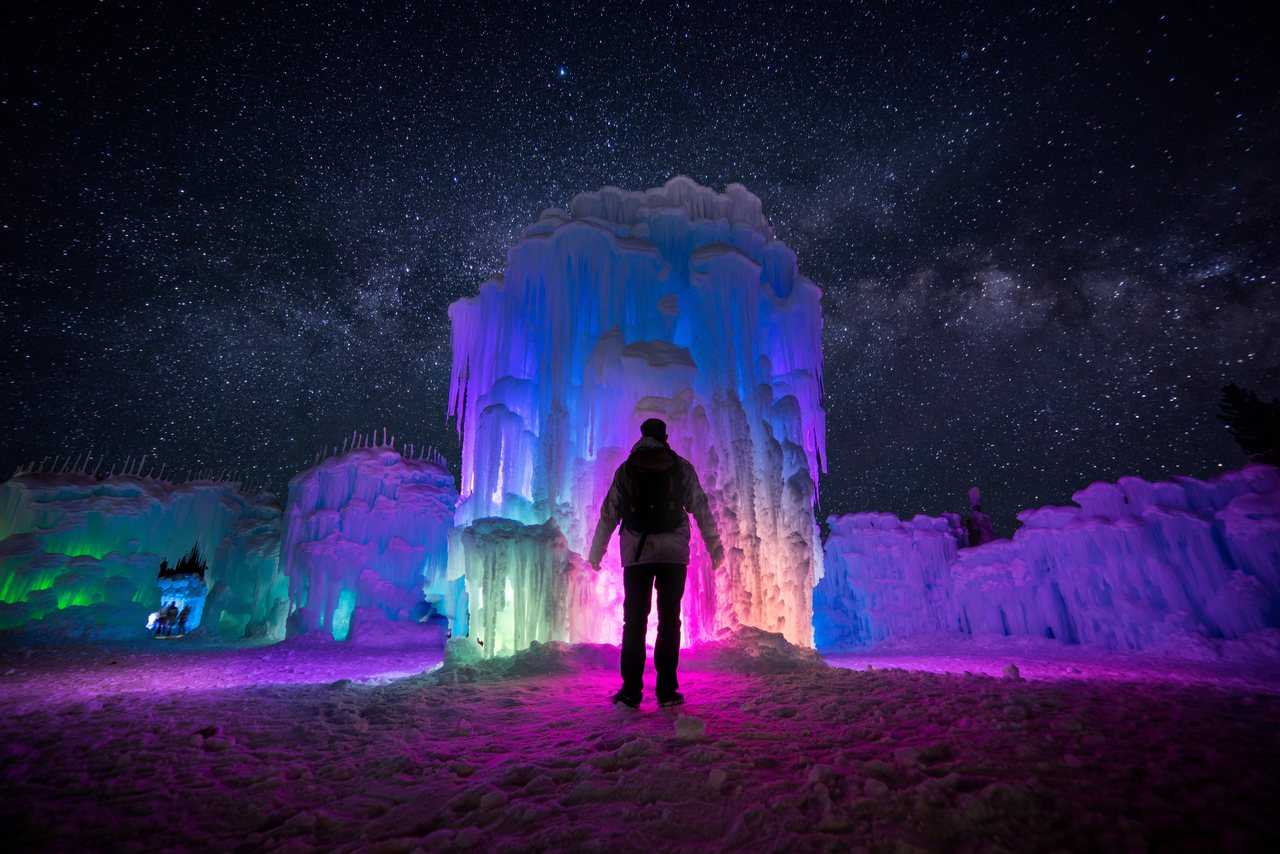
Beyond downhill skiing, winter here offers cross-country and snowshoe trails, snowmobiling on an extensive local trail network, and, when the weather cooperates, the Ice Castles in North Woodstock. The Ice Castles are a seasonal attraction of hand-built ice tunnels, slides and LED-lit caverns; they only exist in a cold-enough winter and typically open around late December and run into late winter, so treat them as a wonderful "if it's running" bonus rather than a guaranteed fixture, and buy timed tickets online. Ice fishing, fat biking and simply walking the plowed village streets under snow round out the quieter options.
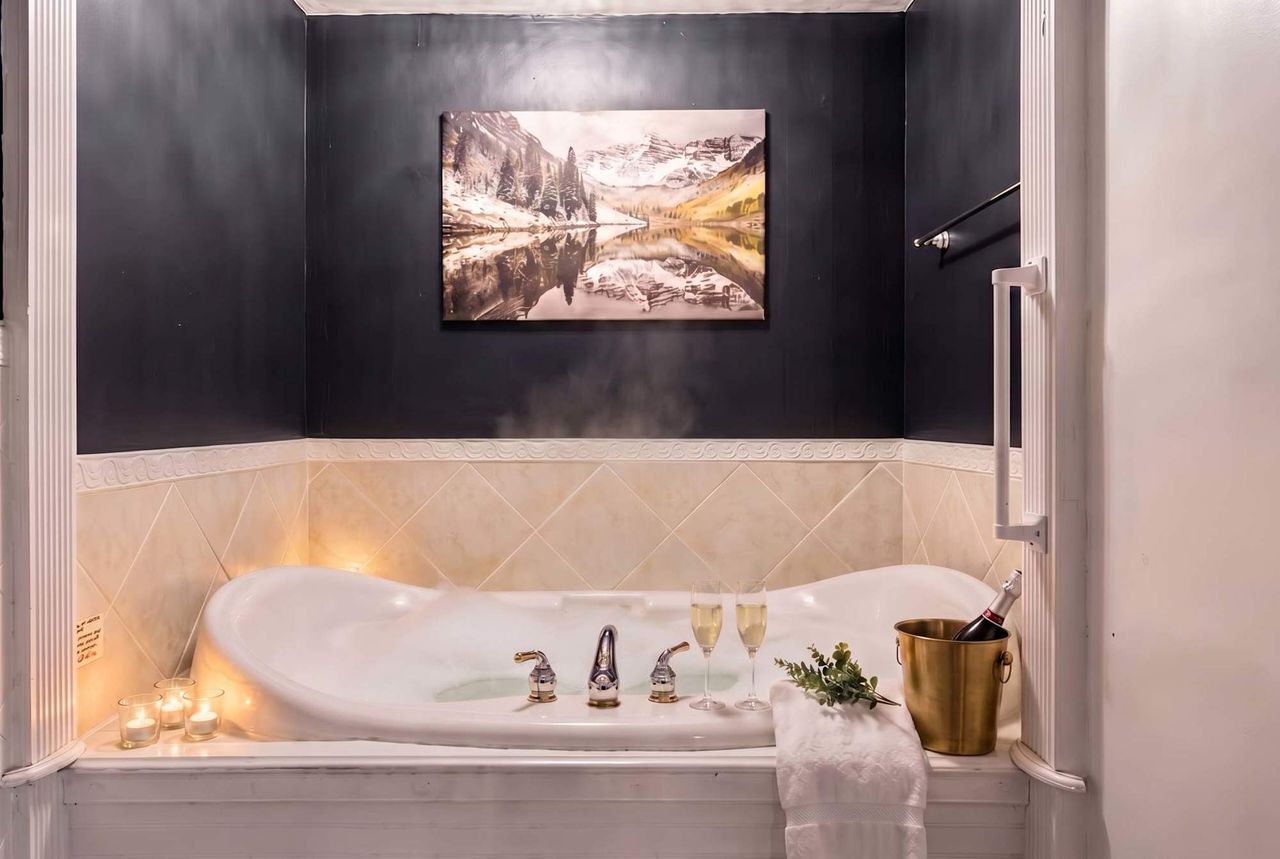
For adults, winter may be the best-kept secret of a Lincoln trip. The crowds thin outside of holiday weeks, the town is calm, and the mountains are at their most beautiful under snow. Our inn is well suited to it: keyless self check-in means you arrive on your own schedule after a late drive up, and several suites have electric fireplaces and deep-tub or jetted-tub options that make a cold evening feel like the point of the trip rather than an inconvenience. Do read the winter driving notes in the safety section; the mountains are unforgiving of bald tires and rushed schedules in January.
Rainy days and the seasonal calendar
Mountain weather turns, and a good rainy-day plan keeps a trip from feeling wasted. The best wet-weather options in Lincoln are the indoor and covered attractions: Whale's Tale is indoor-adjacent fun only in summer, but Clark's Bears and the Granite State Railway run rain or shine and suit families; the New England Ski Museum by Cannon is a quiet, dry hour of history; and the outlet shopping in Lincoln plus the breweries make an easy low-key afternoon. A drizzly day is also, counterintuitively, one of the best times to walk the Flume Gorge or the Basin, when the water runs high and the crowds thin, provided the footing is managed carefully. And our suites, five of six TV-free by design, are made for the kind of slow, unplugged rainy afternoon that a lot of guests tell us was their favorite part of the trip.
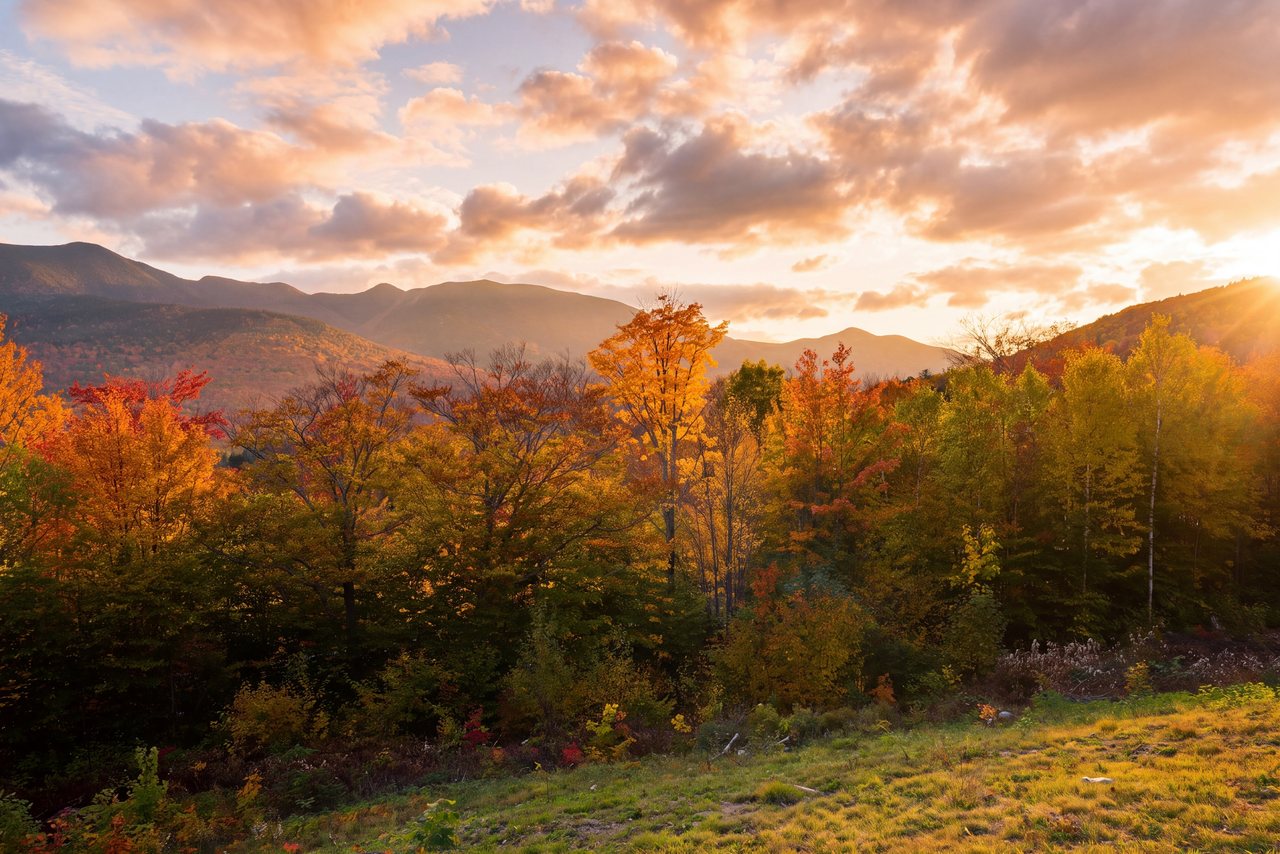
The seasons here are distinct and each has a peak. Summer, roughly late June through August, is the family and swimming season, when every attraction is open and the swimming holes are warm; it is also the busiest and warmest. Fall is the marquee season: foliage near Lincoln generally peaks in the first to second week of October, though it is elevation-dependent, with the high slopes turning first and the valley last, so you can often chase color up and down in elevation for a week or two on either side of the peak. Foliage weekends are spectacular and crowded; reserve early and start your days early.
Winter, from the ski season's late-November start into April, is the cold-weather high season described above. Spring, roughly April into May, is the quietest and most uneven stretch: the ski area winds down, the Flume and many attractions have not yet opened, and the trails can be a muddy, icy mess at elevation, which is why the local hiking community observes an informal "mud season" pause on the high peaks. If you visit in spring, plan on low-elevation walks, waterfalls at their fullest, and a peaceful, uncrowded town, and set your expectations accordingly. Our itineraries page has season-specific day-by-day plans if you want the structure.
Practical logistics: passes, parking, timing and getting around
A few practical facts make everything smoother. Trailheads and recreation sites inside the White Mountain National Forest, which includes Kancamagus stops like Sabbaday Falls and the Lincoln Woods trailhead, charge a recreation fee of about five dollars per vehicle per day, payable at the self-serve kiosks, or you can use an annual White Mountain National Forest pass or a federal America the Beautiful pass. By contrast, Franconia Notch State Park's free pullouts, like the Basin and the roadside overlooks, do not charge, while the state's paid attractions there, the Flume Gorge and Echo Lake beach, have their own separate fees. It is worth carrying a few dollars in cash for the forest kiosks and buying Flume tickets online ahead of time.
Parking and timing are the real constraints, not distance. The popular lots, the Flume, Lonesome Lake's Lafayette Place, Artist Bluff, Lower Falls and the Kancamagus overlooks, fill by mid-morning on summer and fall weekends and can close to new arrivals when full. The reliable fix is simple: arrive before 9:00 or after 3:00. That single habit will do more for your trip than any other piece of advice in this guide. Weekdays are dramatically calmer than weekends in every season except deep winter.
Getting around means driving; there is no meaningful public transit between the sights, so a car is essential. Keep the tank topped up in town before any Kancamagus trip, download offline maps for the no-signal stretches, and remember that even short mountain drives take longer than the mileage suggests because of terrain and traffic. From our inn on Pollard Road, you are within a 15 min drive of Franconia Notch, the start of the Kancamagus, Loon and the family strip, which is the whole reason to stay central: you spend your time at the sights, not commuting to them.
Safety & conditions
- The Kancamagus Highway (Route 112) has no gas, food, or reliable cell service for 34 miles. Fuel up in Lincoln, carry water and snacks, and download offline maps before you drive it.
- Swimming at Rocky Gorge is prohibited and enforced, so enjoy it from the footbridge. At Lower Falls, only swim when the Swift River is low and calm, never when it is high or fast after rain.
- The Franconia Ridge and other alpine hikes are exposed and serious. Weather above treeline can turn cold and windy even when the valley is warm; check the higher-summits forecast, start early, carry layers, and turn back if conditions change.
- In winter, mountain roads and passes ice over. Use proper winter tires, allow extra time, and remember that many Kancamagus pullouts are not plowed. Dress for the cold before you leave the car.
- Trail conditions change: part of the Lincoln Woods Trail is closed for restoration through late 2026, and spring mud season leaves high trails icy and muddy. Check current trail status before setting out.
Where to stay
Everything in this guide is built on one advantage: location. Launchpoint Lodge sits on Pollard Road in Lincoln, minutes from Exit 32, which puts Franconia Notch, the start of the Kancamagus, Loon Mountain and the Flume all within about a 15 min drive. You spend your days at the sights instead of commuting to them, and you come back to a quiet street rather than a resort parking lot.
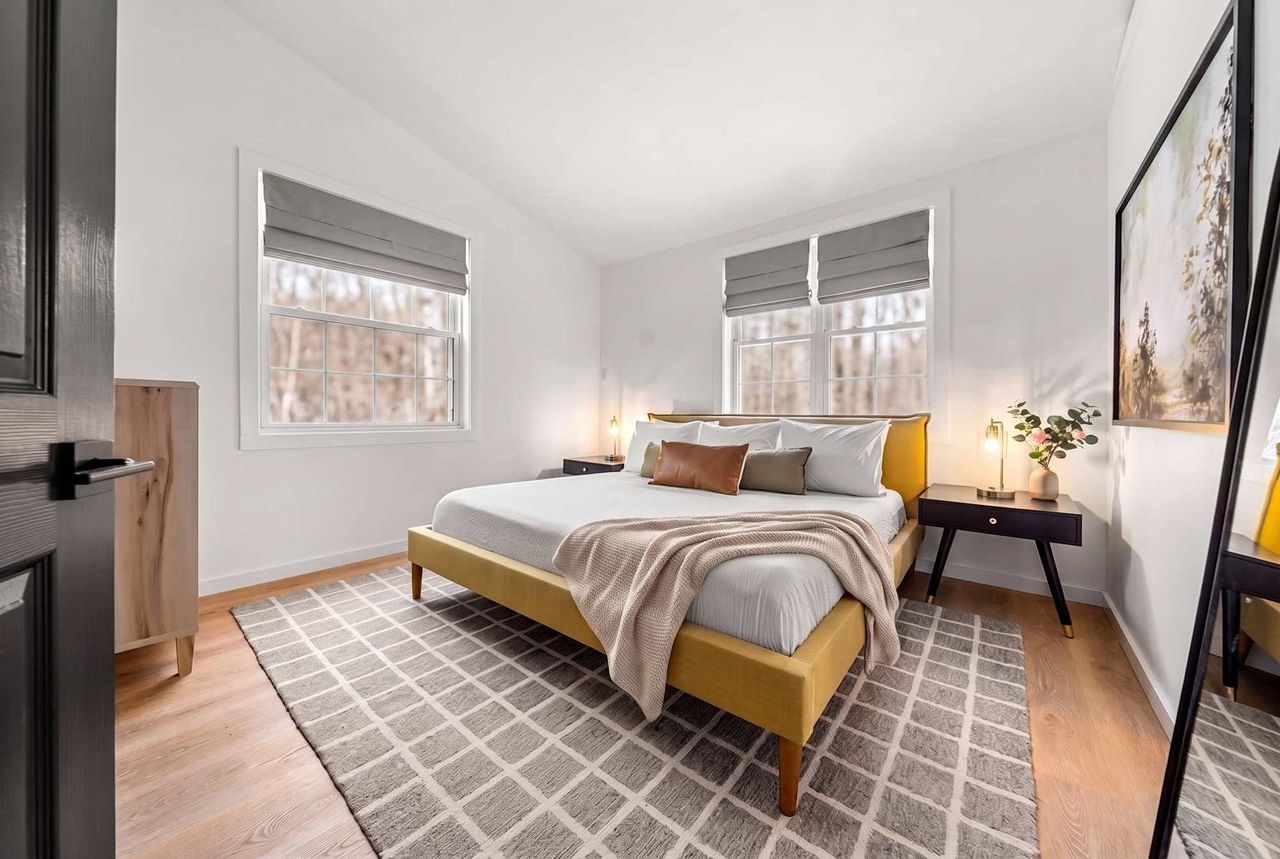
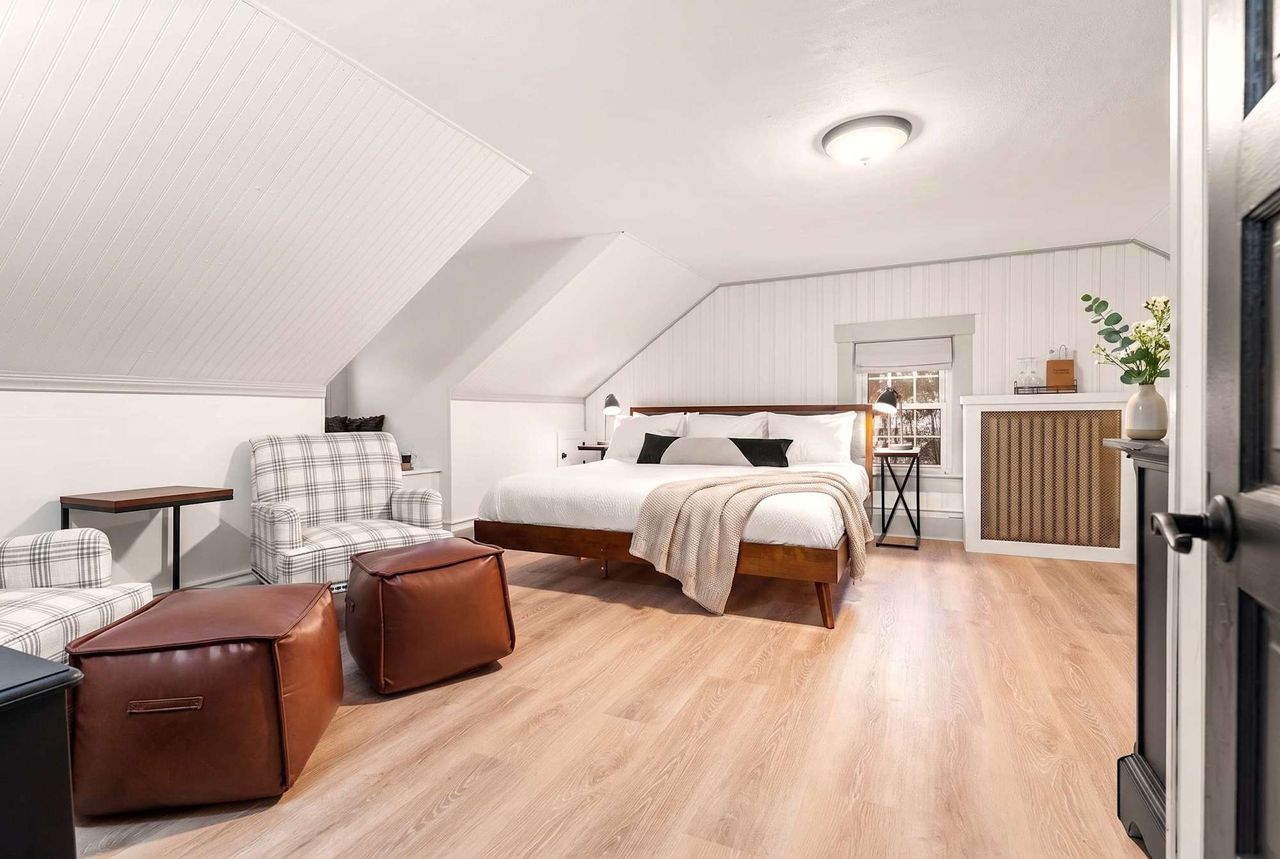
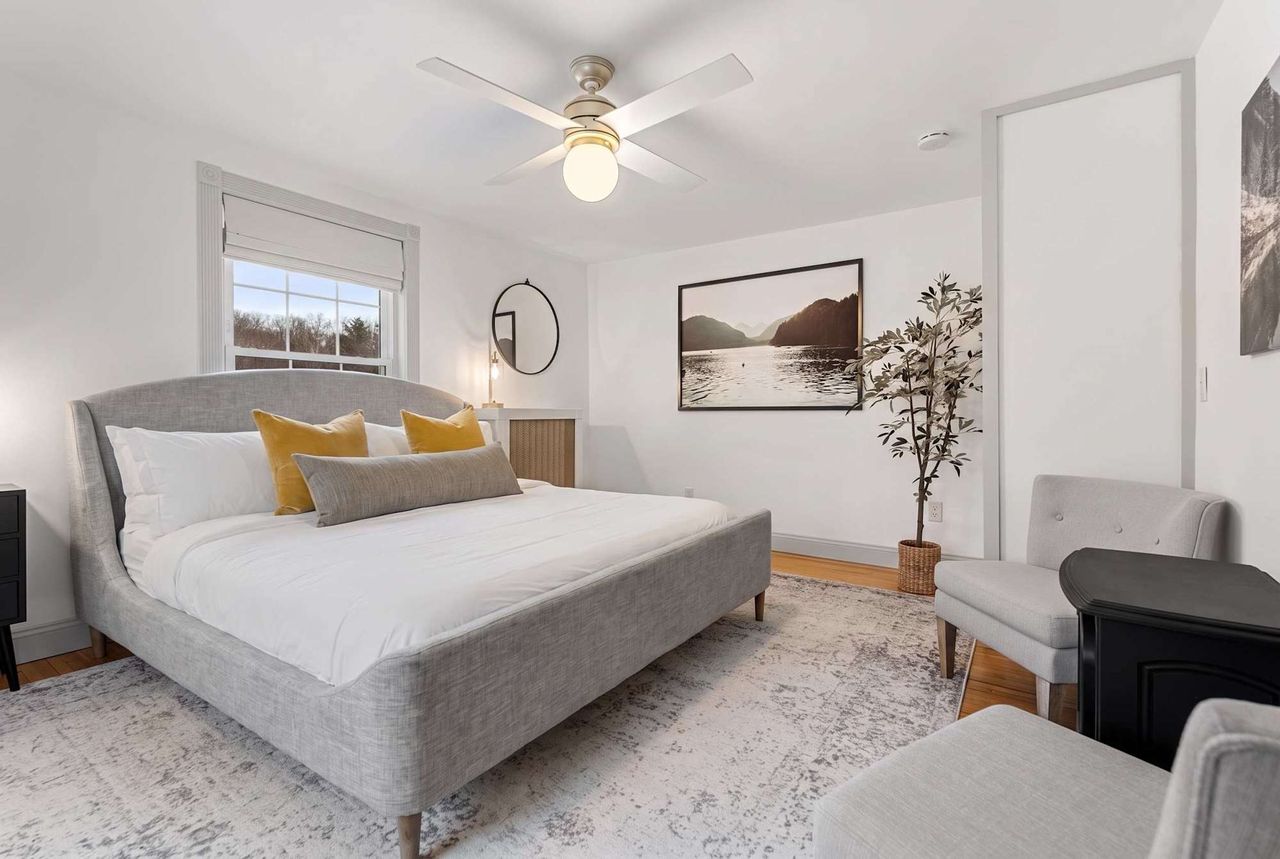
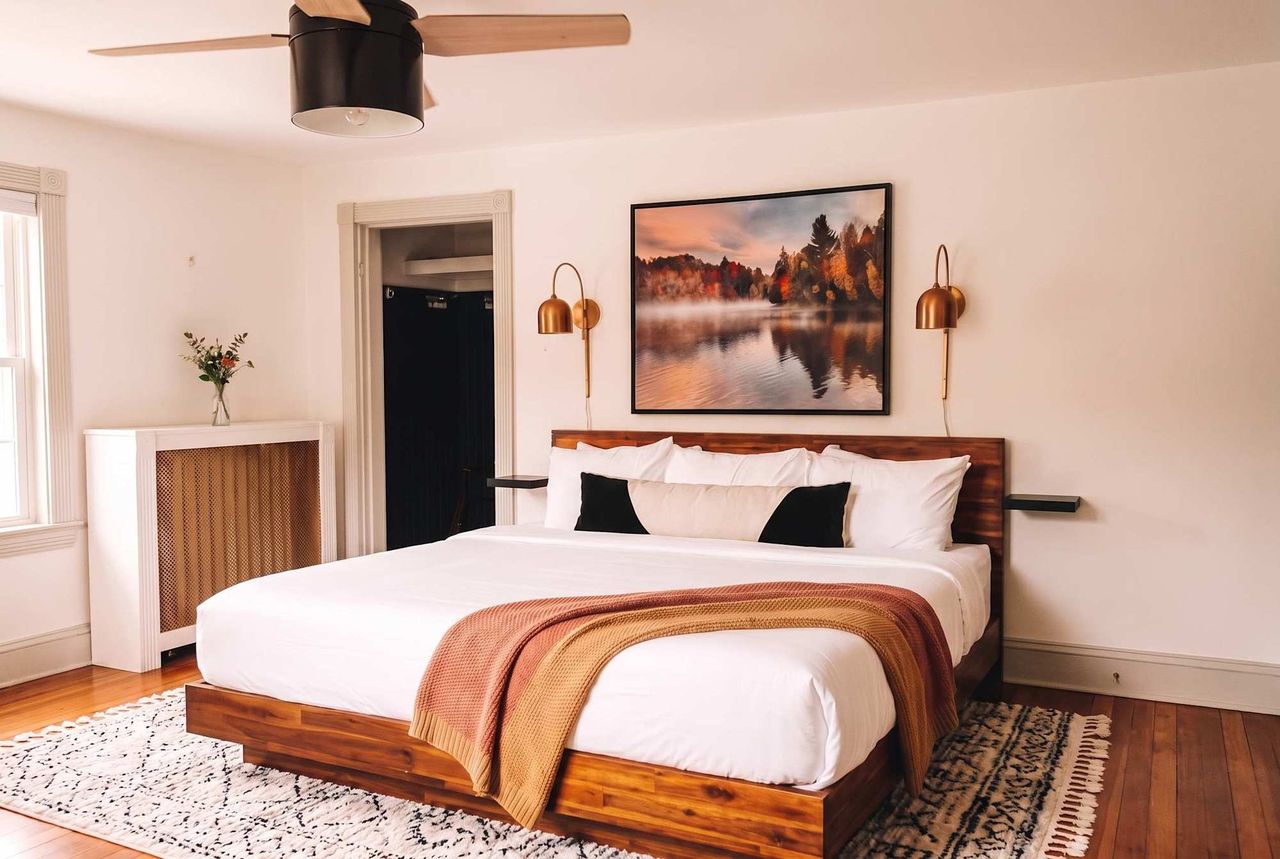
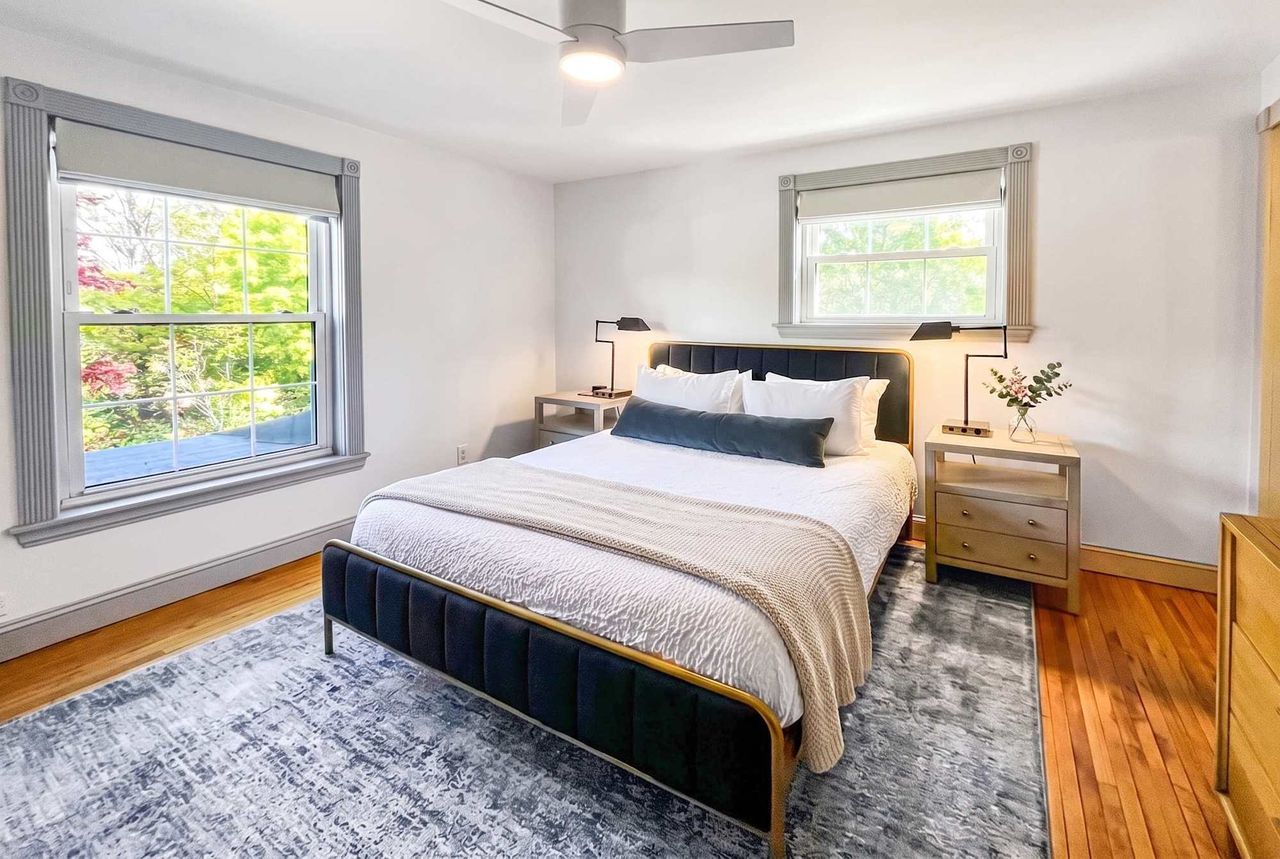
We are an adults-only, six-suite inn in a restored 1902 colonial, which shapes the kind of trip this becomes. Keyless self check-in means you can arrive on your own schedule after a late foliage drive or a long day on the ridge. Five of our six suites are TV-free on purpose, which our guests tell us makes the rainy afternoons and cold winter evenings feel like the point rather than the interruption. The Notch suite suits a couple orienting a trip around Franconia Notch; the Basin suite, first-floor with a two-person jetted tub and no stairs, is the one to book after a hard hike; and the Artist Bluff suite, our signature, works for a longer, more spread-out stay.
When you check in, you get our digital guidebook: the current, curated list of where we eat and drink, which trailhead lots fill first, and what is open this week, so you never drive to a closed kitchen or a full parking lot. Think of this article as the map and the guidebook as the live, up-to-the-week detail.
Sources & official info: nhstateparks.org · cannonmt.com · loonmtn.com · fs.usda.gov · kancamagushighway.com · nhpr.org
— Launchpoint Lodge, From the lodge