Summer is the season most people picture when they picture the White Mountains, and it earns the reputation. From roughly late June into early September the high country dries out, the rivers settle into their swimming pools, the gondola runs, the Flume is open, and the daylight stretches so long you can hike after breakfast, nap through the afternoon heat, and still be out on a ledge for sunset. But a White Mountains summer is not a beach vacation with mountains in the background. The weather still turns, thunderstorms build on hot afternoons, the black flies have their say in the first few weeks, and the most popular parking lots fill by mid-morning. This guide is written to save you the surprises.
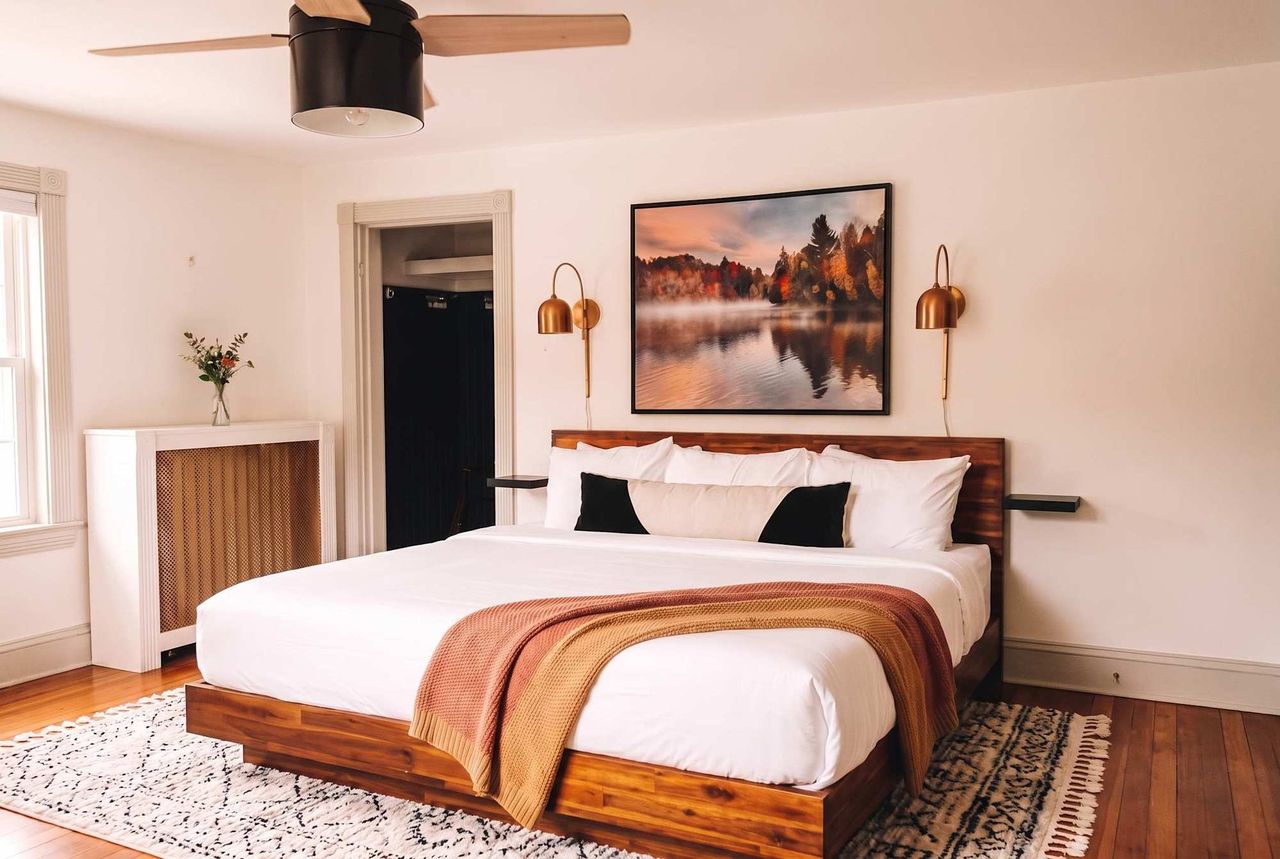
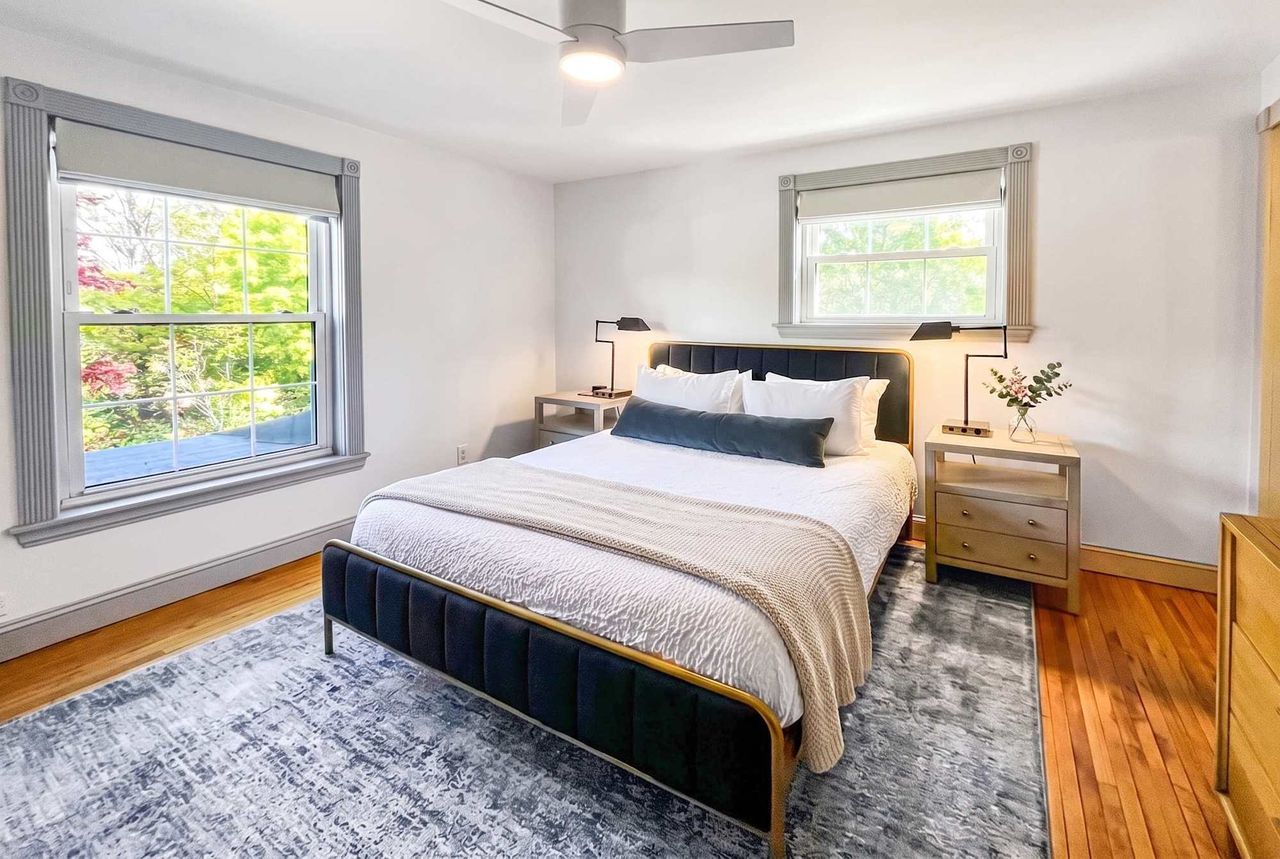
We run Launchpoint Lodge, a six-suite adults-only inn in a restored 1902 colonial at 191 Pollard Road in Lincoln, 6 min from Loon Mountain and a 2 min drive off Exit 32 on I-93. Guests let themselves in with a keyless code, five of our six suites are TV-free and made for unplugging, and we've watched a lot of summers roll through the valley from the front porch. What follows is what we'd tell a friend who asked how to spend a warm week here: when the season peaks, how to hike it without getting caught out, where you can legally swim and where you absolutely cannot, and how to use the long light instead of fighting the crowds.
We've written this for the 2026 season and flagged the handful of things that change every year — timed-ticket windows at the Flume, summer hours at Loon, the parking fees on the Kancamagus. When a fact can move, we tell you where to confirm it rather than pretend it's fixed.
When summer happens up here
The calendar and the mountains disagree about when summer starts. On paper it's late June. In practice, the reliable warm-and-dry stretch in the White Mountains runs from around the last week of June through Labor Day and into the first half of September, with mid-July through late August as the dependable core. May and early June can be gorgeous at valley level and still hold snow, ice, and running meltwater on the high ridges. September is quietly one of the best months of the year here — warm days, cool nights, thinning crowds — right up until the foliage rush arrives in the last week of the month.
The valley floor in Lincoln sits around 800 feet. Summit weather on the 4,000-footers can run twenty-five to thirty degrees colder than the porch, with wind on top of that. So a July day that's 82 and still in town can be 55 and blowing on an exposed ridge. That gap between valley and summit is the single most important thing to understand about a Whites summer, and it drives almost every piece of advice further down this page.
Peak season also means peak demand for the small stuff: trailhead parking, the best swimming ledges, timed entry at the Flume, tables at the handful of good restaurants in Lincoln and North Woodstock. None of it is Yellowstone-level, but the popular spots reward early starts. If you're at a trailhead by 8 a.m. you'll often have your pick of parking and a couple of quiet hours before the day-trippers arrive.
One note on rhythm: this is a two-town valley. Lincoln and North Woodstock share the western mouth of the Kancamagus, and between them you have most of what you'll need — groceries, a brewery, a few solid kitchens, gear, gas. It is not a big resort strip, and that's the point. People come here to be near the mountains, not to be entertained by a town.
The black-fly reality (and exactly how long it lasts)
Nobody at a tourism office wants to talk about black flies, so we will. In the White Mountains the black-fly season runs roughly from late May through late June. May is the worst of it; the numbers begin to fall off in mid-June as the fast spring streams the larvae need start to drop, and by late June to early July they've mostly given up at valley elevations. In cool, wet years, or up in the higher and shadier drainages, a few stragglers can hang on into July. If your trip lands in mid-July or August, you will likely never think about them.
Black flies are not mosquitoes. They don't whine in your ear at night — they're daytime biters that love bare skin at the hairline, ankles, wrists, and the back of the neck, and they're worst on warm, still, humid mornings near moving water. The bites don't hurt much going in but can swell and itch for days afterward. They're an annoyance and a genuine mood-killer on an exposed hike, not a health emergency.
If you're visiting in that late-May-to-late-June window, plan around them rather than cancel over them. Wear light-colored long sleeves and pants (they're drawn to dark clothing), tuck and cover the ankles, and treat clothing rather than relying only on skin repellent. A head net weighs nothing and is worth its weight in gold on a buggy morning — no one looks cool in one and no one cares. Breezy ridgelines, open summits, and the middle of a sunny afternoon are your friends; damp, shaded, streamside trails in the morning are where they gather.
The upside of early summer is real, so don't write it off: the waterfalls are at their loudest, the woods are that impossible spring green, the crowds are thinner, and the daylight is already enormous. Bring the head net, pick breezier objectives, and the bugs become a footnote rather than the story of the trip.
Hiking the peak season safely: heat, storms, and mountain weather that turns
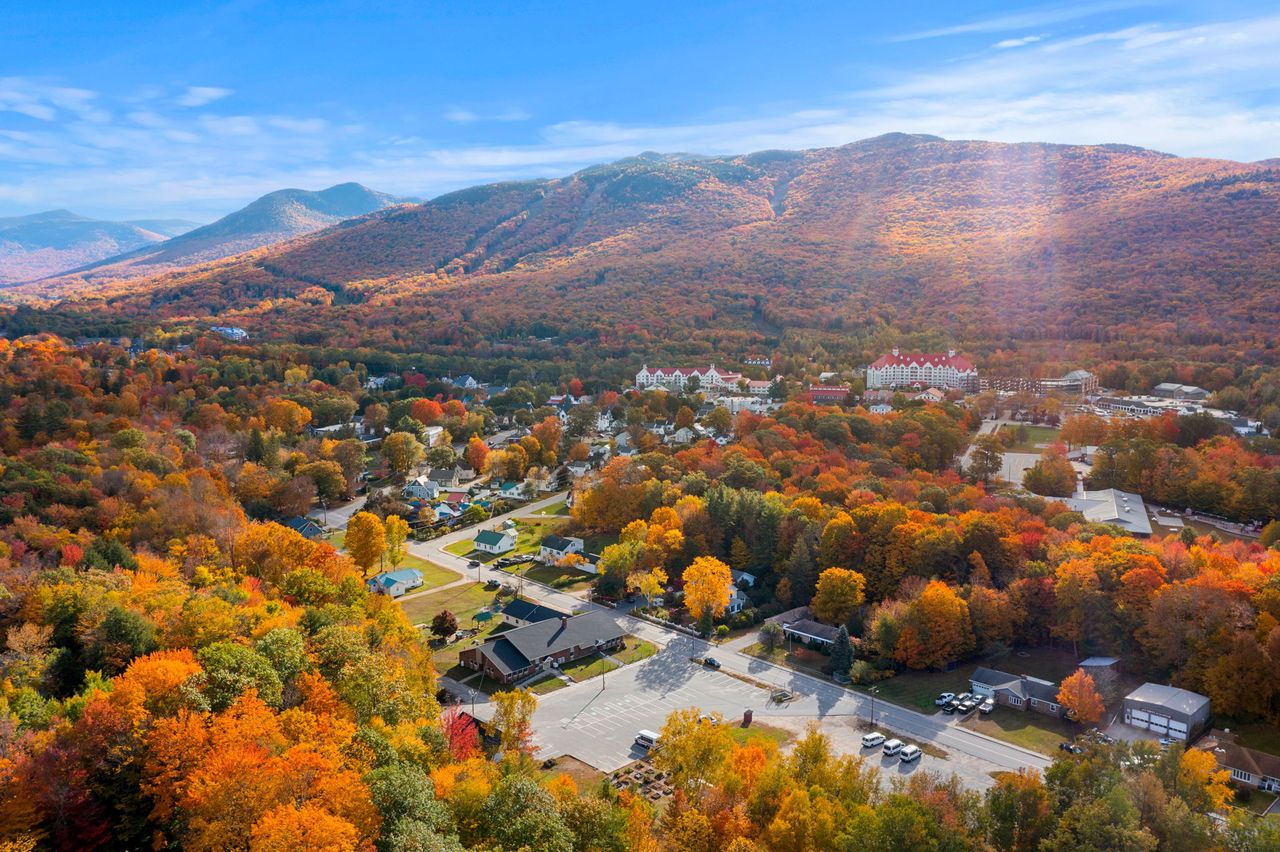
Summer is the busiest hiking season in the Whites for good reason — the trails are dry, the days are long, and the high peaks are finally free of snow and ice. It's also the season that catches people out, precisely because it feels forgiving at the trailhead. The two things that turn a good summer hike bad are afternoon thunderstorms and the temperature drop up high, and both are entirely manageable if you plan for them.
Thunderstorms in these mountains build on hot, humid afternoons — the classic pattern is a clear morning that clouds up and starts rumbling between noon and 4 p.m. The rule that keeps people safe is boring and it works: start early and be off exposed ridges and summits by early afternoon. Above treeline there is nowhere to hide from lightning, and the granite gets lethally slick in a downpour. If you hear thunder or see towers of cloud stacking up, turn around; the summit will be there next time. Check the higher-summits forecast the night before and again over breakfast — the mountain forecast, not the town forecast, because as we said, they're often two different worlds.
Heat is the quieter risk. Even on a hot day the answer isn't to hike less clothed, it's to hike earlier, carry more water than you think you need (there is no reliable safe water on most trails without treating it), and pick your objective to match the day. On a 90-degree scorcher, a shaded river walk or a swim beats a sun-blasted open ridge. Sun at elevation is stronger than it feels; sunscreen, a hat, and sunglasses matter even when there's a breeze fooling you into thinking you're cool.
For the drop up high, the fix is layers, covered in its own section below. The short version: carry an insulating layer and a windproof shell even in July, because the summit can be thirty degrees colder and windy when the valley is in shorts weather. Even in summer, it's easy to end up wet, cold, and windbitten on a peak you reached in a T-shirt. Don't be that story.
Finally, tell someone your plan and your turnaround time, and carry a real map or a downloaded offline one. Cell coverage is patchy-to-nonexistent on most trails here. Message us any time to talk through a plan that fits the day's weather and your legs before you head out.
Swimming: where you can, where you can't, and the one rule that matters
Summer swimming in the Swift River and the notch's cold pools is one of the real joys of a Whites summer — but this is the section where we get blunt, because the river has a serious side. The single most important thing to know: swimming is prohibited and enforced at Rocky Gorge on the Kancamagus. It is a beautiful, deep, narrow slot with a footbridge over it, and the current below is far stronger than it looks. That is why the swimming ban is enforced. Go look at it — it's a short, easy walk to the overlook and worth the stop — but do not get in the water, and don't let the calm surface fool you into thinking the current below is calm too.
The sanctioned swimming spot on the Kancamagus is Lower Falls, a Swift River site with broad flat granite ledges, a picnic pavilion, and a large, fairly shallow pool that's better known for swimming than for its modest cascades. Swim and wade here when the river is low and calm, which in a normal summer means mid-July onward once the spring runoff is long gone. After heavy rain, or in early summer when the river is up, the Swift moves faster and colder than it looks and the friendly ledges become slick launch ramps. When in doubt, stay out — cold water and moving water are a bad combination even for strong swimmers.
A few practical truths about mountain swimming holes: the water is cold, often shockingly so, even in August — this is snowmelt-fed river water, not a lake that's been baking all summer. Wear something on your feet, because the rocks are slick and sharp. There are no lifeguards anywhere. And popular ledges fill up on hot weekend afternoons, so the early-and-off-peak strategy applies to swimming as much as to hiking.
We keep a dedicated swimming-holes guide with the specific spots we send guests to, the ones we quietly don't, and how to read the river before you get in. If a warm afternoon has you thinking about a swim, read that first — it's the version, including the places that look inviting and aren't.
Loon Mountain in summer: the gondola and the adventure park
Loon is the easy summit view of the valley and the anchor of a summer day that doesn't involve a hard hike. It's 6 min from the lodge. The Scenic Gondola Skyride carries you up to the summit area, where the payoff is an observation tower with a huge view — on a clear day you can see from Mt. Moosilauke all the way to Mt. Washington — plus a set of granite glacial caves you can scramble under and through, a summit trail network, and New Hampshire's highest disc golf course. It's the closest thing to a lift-served summit experience in the immediate area, and for anyone who wants the view without the climb, it's the answer.
This matters more than usual in 2026. The famous Cannon Mountain aerial tramway over in Franconia Notch made its final run on October 26, 2025; a new tram is in planning, and no reopening date has been announced. So if someone tells you to 'ride the tram to the summit,' that advice is out of date. For a lift to a summit view this summer, Loon's gondola is the one that's running.
Beyond the gondola, Loon runs a full summer play menu: the Aerial Forest Adventure Park (a ropes-and-obstacle course strung through the trees), a mountain coaster, ziplines, a climbing wall, and a bungee trampoline among them. It's the most family-oriented thing in the valley, which — as an adults-only inn — we mention: if you're traveling with kids, this is a great day for them, and Loon is set up for it. For couples, the gondola-and-view combination plus a summit walk is the sweet spot.
Two planning notes. First, summer hours and which attractions are running on a given day vary through the season, so check loonmtn.com/hours or the current mountain report before you go rather than trusting a fixed schedule. Second, the New Hampshire Highland Games & Festival takes over Loon for a weekend each September — the resort effectively becomes the festival grounds and you need a Games ticket to access it those days. Wonderful event, but not a casual drop-in gondola afternoon.
The Flume Gorge: open in summer, timed tickets, and how to do it right
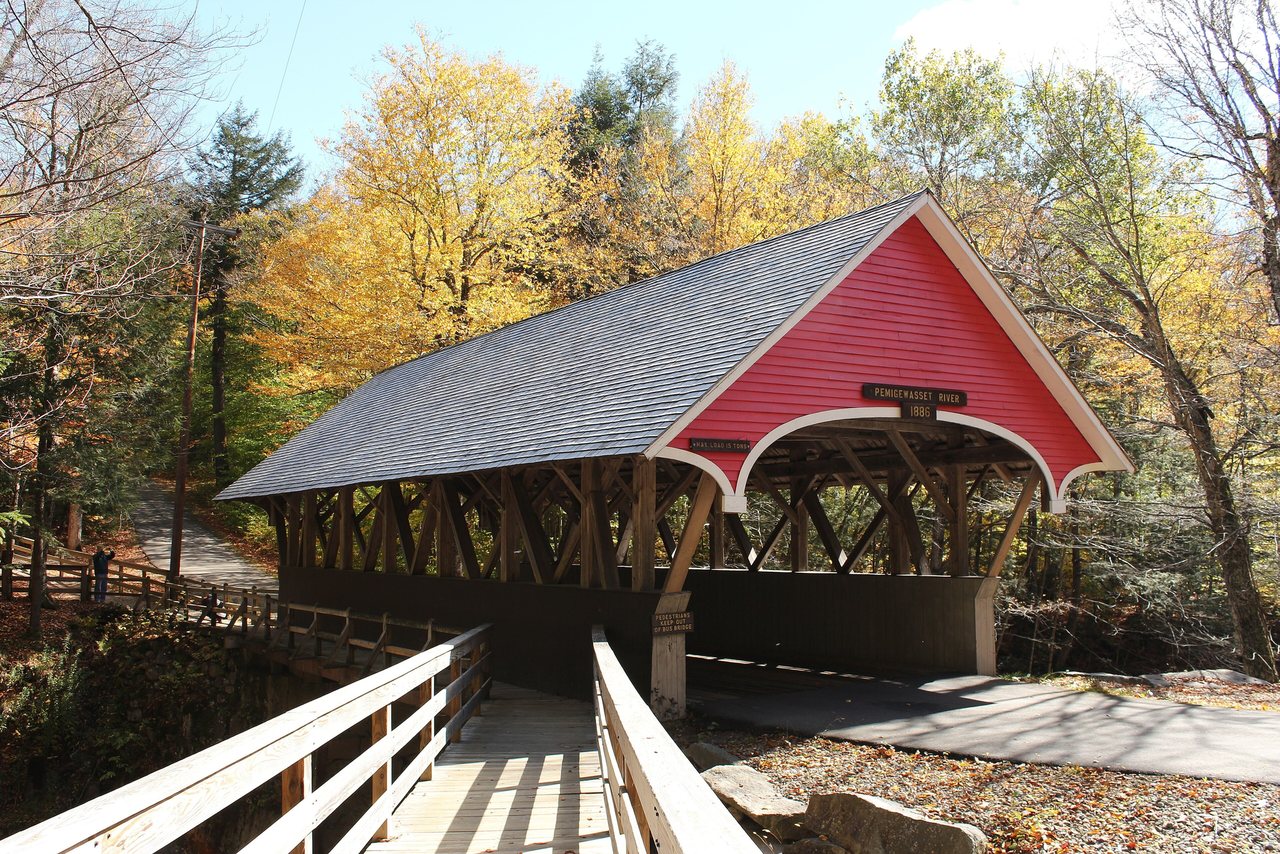
The Flume Gorge is the marquee natural attraction of Franconia Notch and one of the few in the region that's worth the ticket. It's an 800-foot-long chasm with sheer granite walls that the trail threads on a boardwalk, past waterfalls, covered bridges, and mossy rock, on a roughly two-mile loop. Crucially for a summer trip: it's open. The Flume closes for the winter and shoulder seasons, so summer is exactly when you want it.
For 2026 the Flume opens May 8 and runs on a seasonal schedule: 9 a.m. to 5 p.m. daily through July 2, then extended hours of 9 a.m. to 5:30 p.m. from July 3 through September 7, which covers the heart of summer. It shifts to shorter fall hours later in the season. These are current published dates, but the state does adjust them, so confirm at nhstateparks.org before you go.
The part that trips people up is timed entry. In high season the Flume uses timed-entry tickets, and you reserve a specific arrival window (for example, 1–2 p.m.) on a specific date, online, in advance. Walk-in availability is not guaranteed on busy summer days and foliage weekends, and buying online is also a few dollars cheaper than at the window. For 2026 the published rates are $18 online (versus $21 at the window) for adults 13 and up, $16 online for children 6–12, and free for ages 5 and under — these are public state-park fees, so we're comfortable quoting them; just double-check before you buy. Book a morning window if you want thinner crowds and better light in the gorge.
Practical notes: the loop involves a lot of stairs and can be wet and slick, so wear real shoes, not flip-flops. Give yourself about an hour and a half to two hours to do it unhurried. And it pairs naturally with the rest of Franconia Notch — the Basin is a couple of minutes up the road — so plan a half-day in the notch rather than treating the Flume as a quick stop. Our full flume-gorge guide has the trail breakdown and the timing tricks.
The great summer drive: the Kancamagus Highway
The Kancamagus Highway — Route 112, the 'Kanc' — is the drive everyone comes for, and it starts essentially at our doorstep in Lincoln. It's a 34.5-mile designated scenic byway that climbs east over the Kancamagus Pass and drops down to Conway, running the whole way through the White Mountain National Forest with no gas, no food, and no services once you leave town. In summer it's a green tunnel with river pull-offs, waterfalls, overlooks, and trailheads strung along its length; in fall it's world-famous, but summer is when you can stop wherever you like without fighting for a spot.
Done right, the Kanc is a half-day, not a blast-through. From Lincoln heading east, the classic stops in order are Lower Falls (the sanctioned swimming spot), Rocky Gorge (the look-don't-swim slot gorge), Sabbaday Falls (a short, easy walk to a lovely tiered cascade), and the Sugar Hill and Pemi Overlook viewpoints near the height of land. You can drive it end to end in about an hour without stopping, but that misses the point entirely — budget three to five hours if you want to walk to a couple of falls and swim.
The practical thing to know is parking fees. Most of the developed pull-offs and trailheads along the Kanc sit on National Forest land and require a recreation pass: it's $5 per vehicle per day, or you can buy a White Mountain National Forest annual pass for $30 (or a household annual for $40) if you'll be stopping repeatedly over a longer stay. If you already hold the federal America the Beautiful interagency pass (about $80 a year), that covers these fees too. Keep a few singles or your pass on the dash — these are self-service fee stations at most lots.
The road is open year-round except in extreme weather, so summer access is a non-issue, but it is a mountain road with curves and grades and no shoulder in places. Drive it in daylight, watch for cyclists and for cars stopping suddenly at overlooks, and top off your gas in Lincoln before you start. Our kancamagus-highway guide lays out every worthwhile stop with the walk lengths and which ones to skip if you're short on time.
The other great drive: through Franconia Notch
Just as scenic and completely different in character is Franconia Notch, the deep glacial pass that I-93 threads north of Lincoln, where the interstate narrows to the two-lane Franconia Notch Parkway between the cliffs of Cannon and the Franconia Ridge. Everything worth seeing is right off it, which makes it the low-effort, high-reward drive of the region. In a single easy morning you can hit the Flume Gorge, the Basin, and a handful of viewpoints without a serious hike.
The Basin is the one not to skip — a huge, smooth granite pothole carved by the Pemigewasset River into a swirling bowl, reached by a flat, short, family-friendly walk from the parking area. It's free, it's quick, and it's beautiful. Combined with the Flume just down the road, it makes the southern end of the notch a satisfying half-day even for people who don't want to hike at all. Our the-basin guide has the details.
One correction to old guidebooks, because it comes up constantly: the Cannon Mountain aerial tramway is retired as of the end of October 2025 and closed for a multi-year rebuild — you cannot ride it this summer. If you want a lift-served summit view, that's Loon's gondola on the other side of the valley, covered above. Cannon's hiking trails and the state park at its base remain, and the Notch itself is as stunning as ever; it's specifically the tram that's out.
For hikers, the notch is also the gateway to some of the best objectives in the range — Lonesome Lake, the Franconia Ridge loop, Artist Bluff's quick payoff overlook. We break those out in the hiking sections and in our franconia-notch-state-park guide. For a first-time visitor with a car and a summer morning, though, the simple Flume-plus-Basin loop through the notch is the highest ratio of reward to effort you'll find.
Easy summer waterfalls and short walks
Not every day needs a summit. Some of the best hours of a Whites summer are spent on short, shaded walks to falling water, and the valley is rich with them. These are the outings we send people on when the legs are tired, the weather's iffy up high, or you just want beauty without commitment.
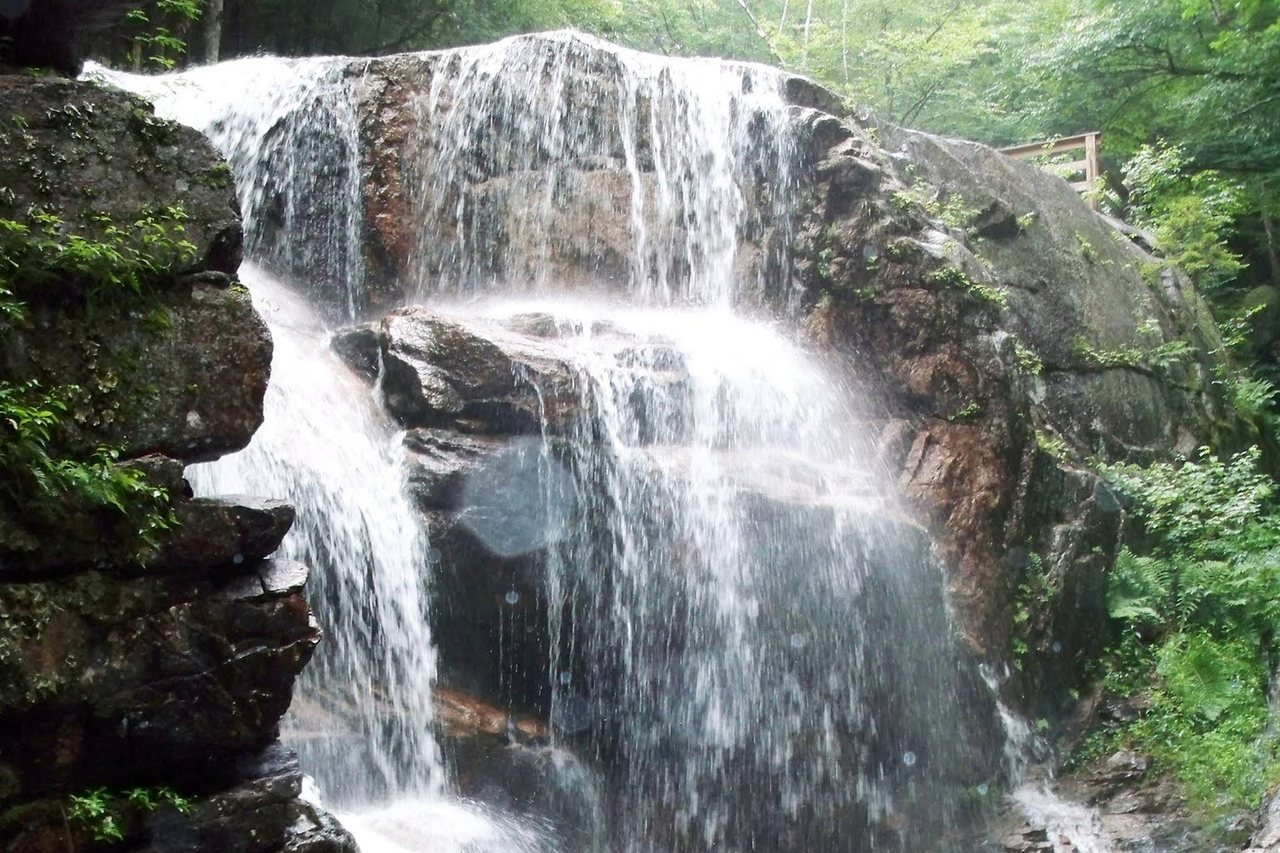
Sabbaday Falls, off the Kancamagus, is the standard-bearer: a well-graded path of roughly half a mile round trip leads to a tiered cascade dropping through a narrow flume of its own, with railed viewing platforms. It's suitable for almost anyone and it's stunning in early summer when the water's up. Rocky Gorge, also on the Kanc, is an even shorter stroll to a dramatic slot and footbridge — again, look, photograph, and keep out of the water. Both are covered in our sabbaday-falls and rocky-gorge guides.
Closer to Lincoln and North Woodstock, Georgiana Falls is a lower-key local favorite reached by a modest walk that rewards you with cascades and pools — a good pick when you want a little more forest and a little less parking-lot scene. It's the kind of place that stays quiet even on a summer weekend. Our georgiana-falls guide has the trail notes and the spots to turn around if you're not looking for the full scramble to the upper falls.
The common thread on all of these: cold water, slick rocks, and no lifeguards. Wading is fine at the calm ones in low water; treat every wet rock as a potential slip; and remember that a waterfall pool that looks like a swimming hole may not be a sanctioned or safe one. When we point you to a specific pool, it's because we've weighed that — the falls you find on your own deserve more caution.
Bigger summer objectives: lakes, ledges, and 4,000-footers
For hikers with more in the tank, summer is prime time for the real objectives, and you don't have to go far. The classic moderate day is Lonesome Lake in Franconia Notch — a steady climb to a high alpine tarn with an AMC hut on its shore and a postcard reflection of the Franconia Ridge across the water. It's a satisfying half-day that a reasonably fit walker can handle, and the lake makes a perfect turnaround with a view. See our lonesome-lake guide for the timing and the loop options.
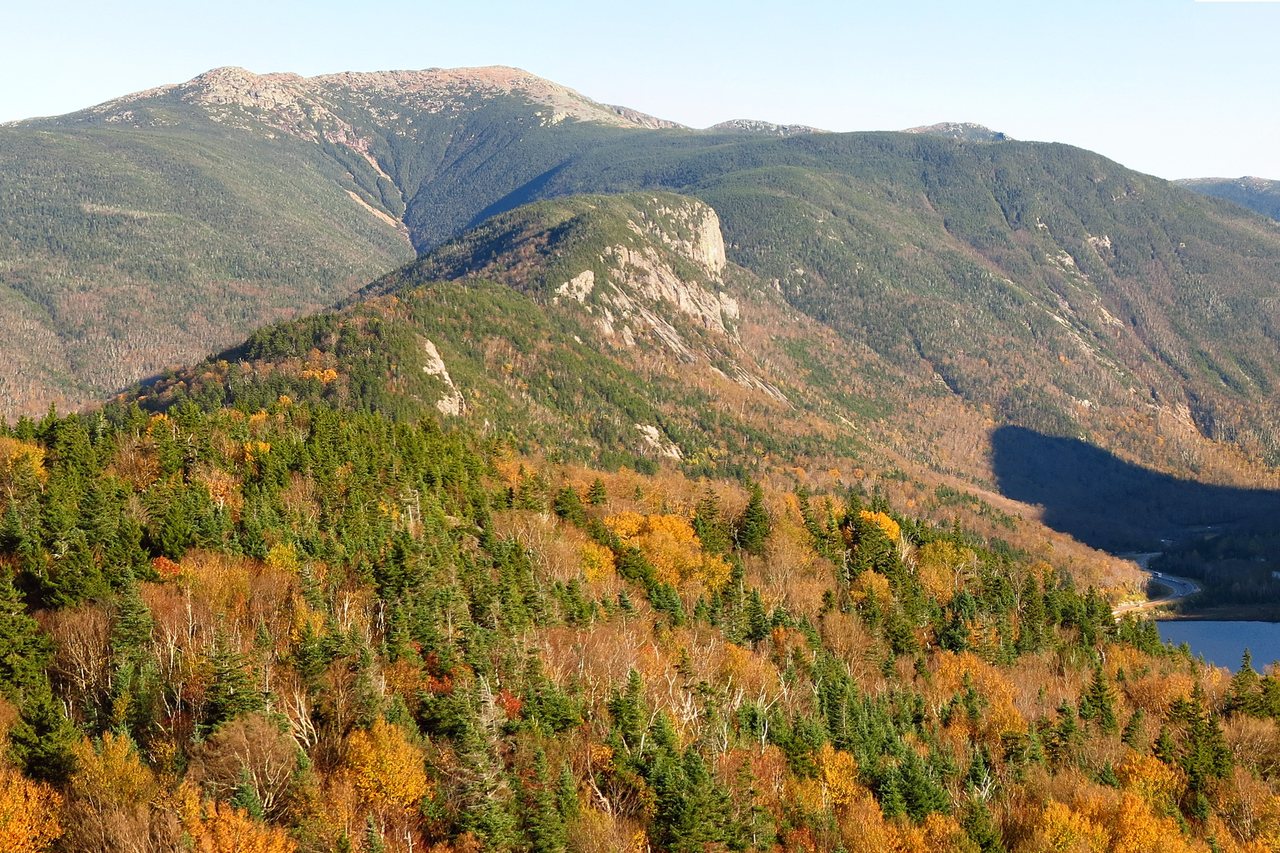
For a huge view with far less effort, Artist Bluff at the north end of the notch is a short, steep little loop to a rocky perch overlooking Echo Lake and the notch — one of the best reward-to-effort ratios in the state, and a favorite for a summer-evening scramble in the long light. It's the kind of outing you can do after an early dinner and still be down before dark.
The marquee alpine day in the area is the Franconia Ridge loop over Little Haystack, Lincoln, and Lafayette — a spectacular, exposed, above-treeline traverse and one of the finest ridge walks in the East. It is also long, strenuous, and completely committing to summer weather: this is the exact hike where the thunderstorm-and-turnaround discipline above becomes non-negotiable. There is no shelter on that ridge. Attempt it only on a settled forecast, start at dawn, and be prepared to bail down one of the side trails if the sky changes. It's a bucket-list day when the weather cooperates and a bad idea when it doesn't.
Whatever the objective, the summer specifics repeat: start early to beat both the heat and the storms, carry more water than feels necessary, pack the warm-and-windproof layers for the top, and match the peak to the day rather than the day to the peak. We keep the current higher-summits forecast at the lodge and are glad to help you pick a summit that fits the weather you have.
On the water, on the links, and a tasting
Summer opens a few things the rest of the year does not. Out Back Kayak, in Lincoln, runs guided paddles and whitewater trips on the upper Pemigewasset, rents kayaks on calmer Mirror Lake, and also does ATV tours on its own acreage — the easiest way onto the water without hauling your own boat north.
For a slower day, Jack O'Lantern Resort in Woodstock has an eighteen-hole golf course laid out along the Pemigewasset River, one of the more scenic rounds in the region, and Seven Birches Winery at the base of Loon pours tastings daily if you would rather sit still with a glass. Between paddling, golf and a tasting, there is a full warm-weather day here that never touches a summit.
Summer events and fairs in the valley
The Lincoln–North Woodstock valley isn't a festival town on the scale of the seacoast or the Lakes Region, but summer does bring a handful of events worth planning around — and one you'll want to plan against if you're after quiet.
The big one is the New Hampshire Highland Games & Festival, held at Loon Mountain each September — 2026 was its 51st year. It's a great three-day Scottish festival: heavy athletics, massed pipe bands, Celtic music on multiple stages, Highland dancing, sheepdog trials, a clan village, whisky tastings, and a marketplace. Free parking and free shuttles run from Lincoln and Woodstock, which is the smart way to do it, and there are ticketed side events around town, like a beer pairing at Woodstock Station and a Cape Breton dinner at Indian Head. Just know that it fills the valley — lodging books up, the roads are busier, and Loon is off-limits to non-Games visitors those three days. If that's your scene, book early; if you want solitude, that's the weekend to avoid.
Beyond the Games, summer in the valley is more about the steady rhythm than headline festivals: Loon runs its own summer events and a summer opening celebration, the breweries and restaurants in both towns host live music, and the surrounding White Mountains region keeps a full calendar of small-town fairs, farmers' markets, and craft events through July and August. Because these shift year to year, we keep a current what's-on list at the lodge and post the ones worth the drive.
Our clear take: the valley's best 'event' most summer nights is simply the long evening light on the mountains, a good dinner in town, and a quiet porch afterward. The festivals are a bonus, not the reason to come — with the Highland Games being the one destination-worthy weekend on the summer calendar.
Using the long daylight
One of summer's quiet pleasures here is how much light you get. Around the solstice in late June, first light comes well before 5 a.m. and it's not fully dark until after 9 p.m. — you're looking at roughly fifteen hours of usable daylight. Even in August you've got long mornings and late, golden evenings. This changes how you should plan a day, and most visitors underuse it.
The move is to split the day around the heat and the storms. Get out early — on trail by 7 or 8 — when it's cool, the light is soft, the parking is open, and the afternoon thunderstorms are still hours away. Come back to the valley for the hot middle of the day: swim, nap, read on the porch, wander the town, get out of the sun. Then use the long evening for the low-effort, high-reward stuff — a short ledge like Artist Bluff, a drive to an overlook, a riverside walk — when the light turns gold and the day-trippers have gone home.
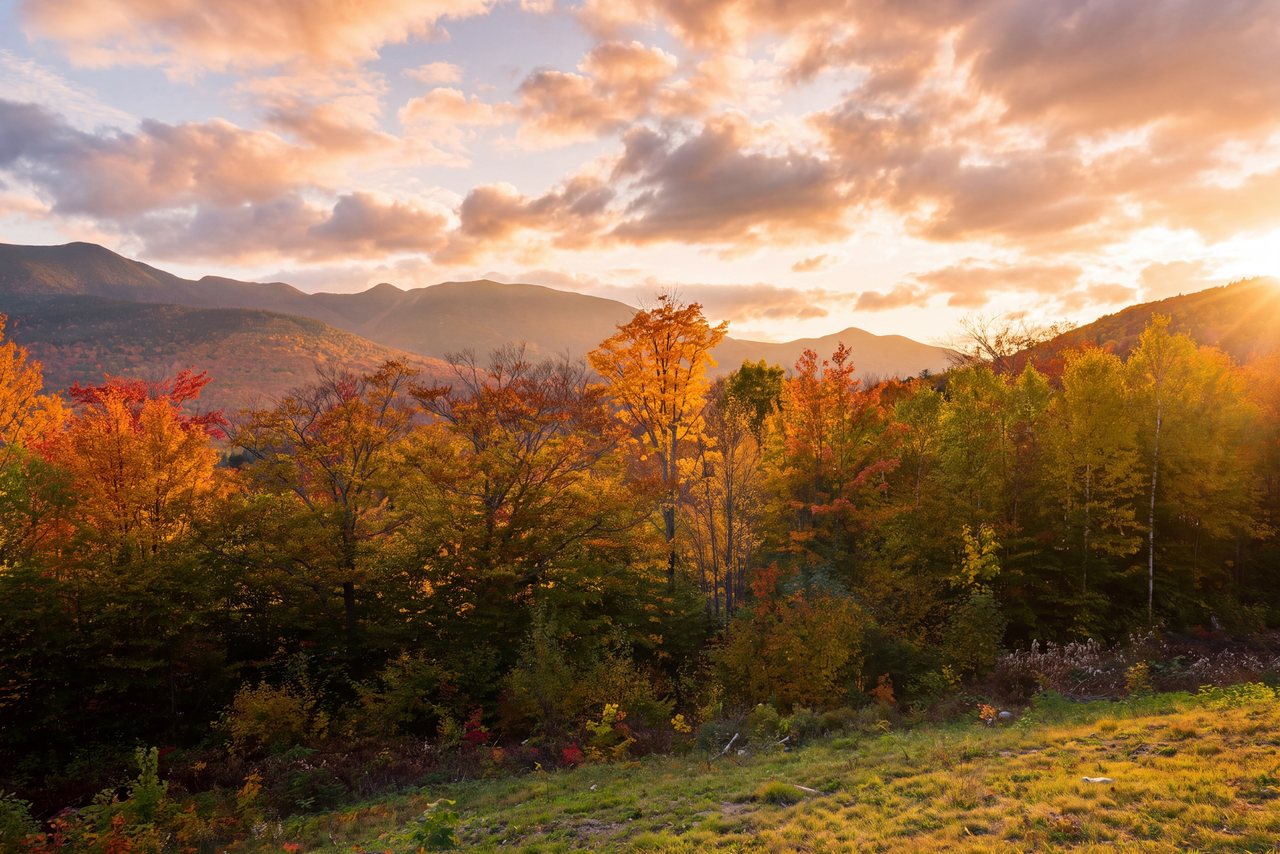
Sunset from a summit or a west-facing ledge in July is one of the best free things in the Whites, and the long twilight afterward gives you plenty of margin to get down safely. Just don't get greedy on the descent: carry a headlamp even on an evening outing, because 'we'll be down before dark' is how people end up on a trail after dark without a light. The daylight is generous, but the woods go properly dark once the sun drops behind the ridge.
Because your keyless door code lets you come and go as you please, the long days are yours to use however the light runs. Early start, late return, midday break in between — the lodge doesn't get in the way of it.
Warm-weather gear and layers (the mountains still turn)
The gear mistake people make in a Whites summer is dressing for the valley. It's 82 and sunny at the car, so shorts and a T-shirt feel like plenty — and then the summit is 55, windy, and wet, and a beautiful day turns into a cold one. The fix costs nothing but a little pack space.
For any real hike, carry these even in July: an insulating layer (a light fleece or puffy), a windproof and waterproof shell, and a warm hat. Add more water than you think you'll drink, sun protection (hat, sunglasses, sunscreen — the sun's stronger up high), and enough food. Wear real footwear with grip; the granite here is slick when wet and the river rocks are slicker. In black-fly season, add the head net and light-colored long layers we talked about earlier. A headlamp lives in the pack year-round.
Cotton is the material to avoid on the trail. Once it's wet — from sweat, a stream crossing, or a passing shower — it stays wet and pulls heat out of you, which is precisely the mechanism behind summer hypothermia in these mountains. Wool or synthetic layers dry fast and keep working when damp. You don't need expensive everything; you need the right layers, kept dry until you need them.
For town and easy days, of course, dress like it's summer — you're in shorts weather most of the time in Lincoln. Just don't let the town weather set your expectations for the summit, and don't leave the shell and the fleece in the room 'because it's hot out.' The whole discipline of a Whites summer is respecting the gap between where you start and where you're going.
Why an adults-only inn makes a good quiet summer base
Summer is the valley's loudest season — busy trailheads, families at the adventure park, water parks and go-karts along the Lincoln strip. That's all fine, and if you're traveling with kids, the valley is set up for you: Loon's adventure park, the Flume's boardwalk, the easy waterfall walks. We'll point you to all of it happily. But it does mean that where you sleep matters more than usual, because it's the one place you get to decide how quiet your trip is.
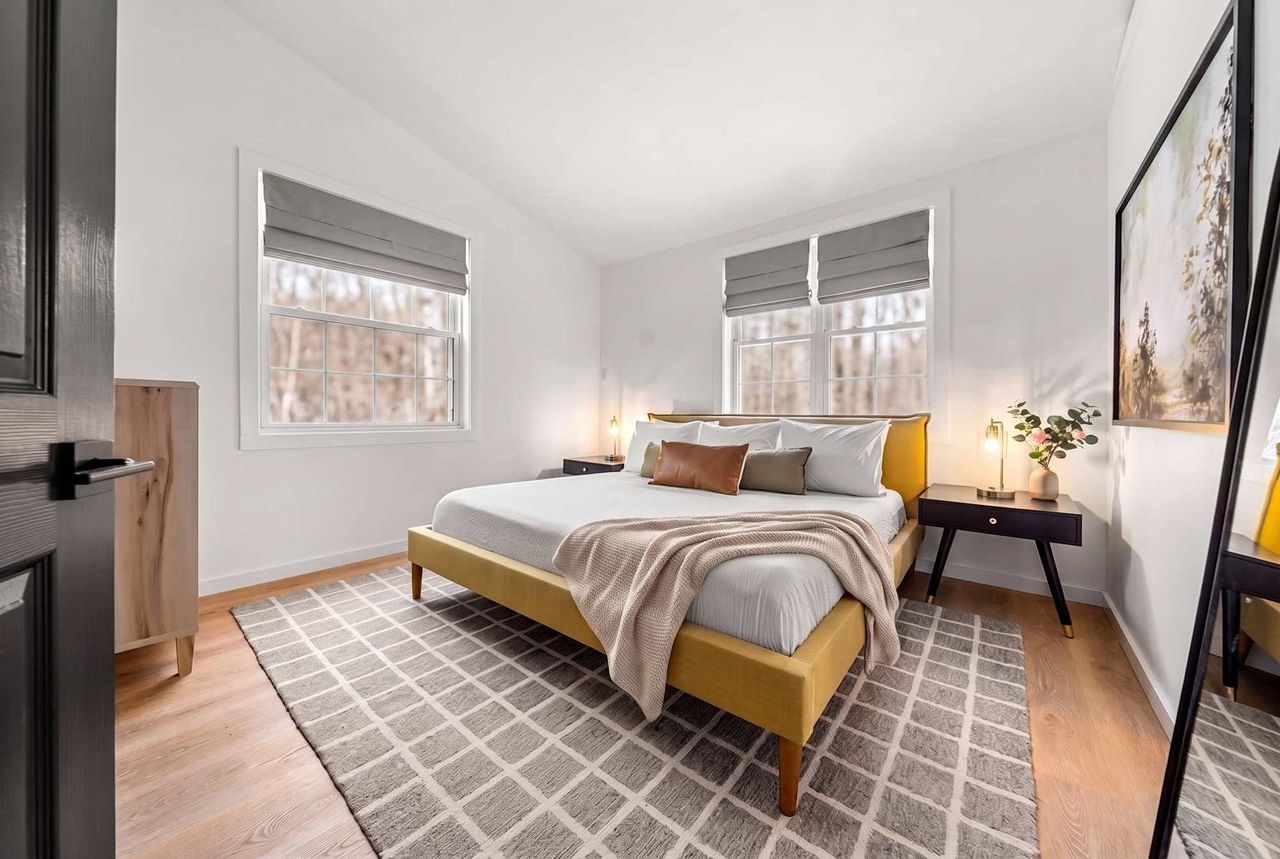
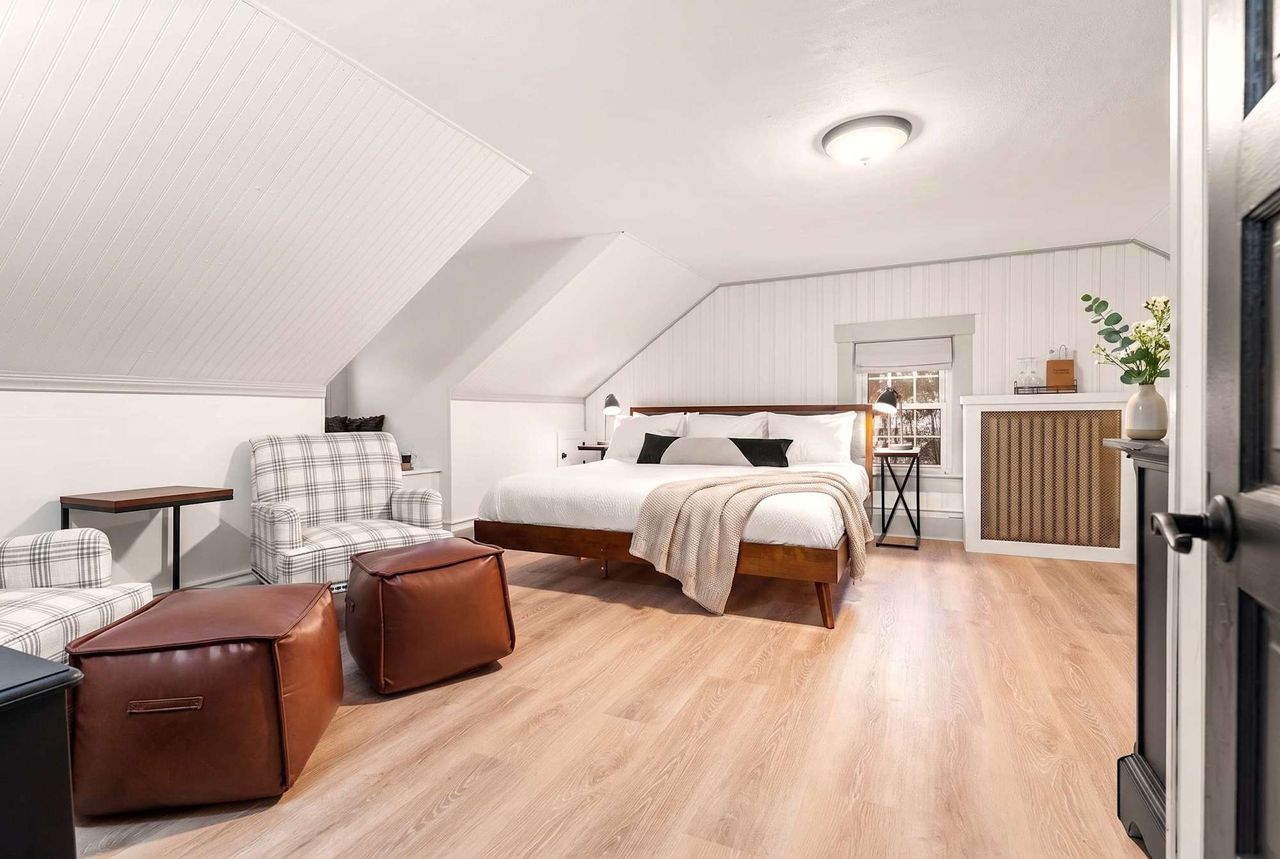
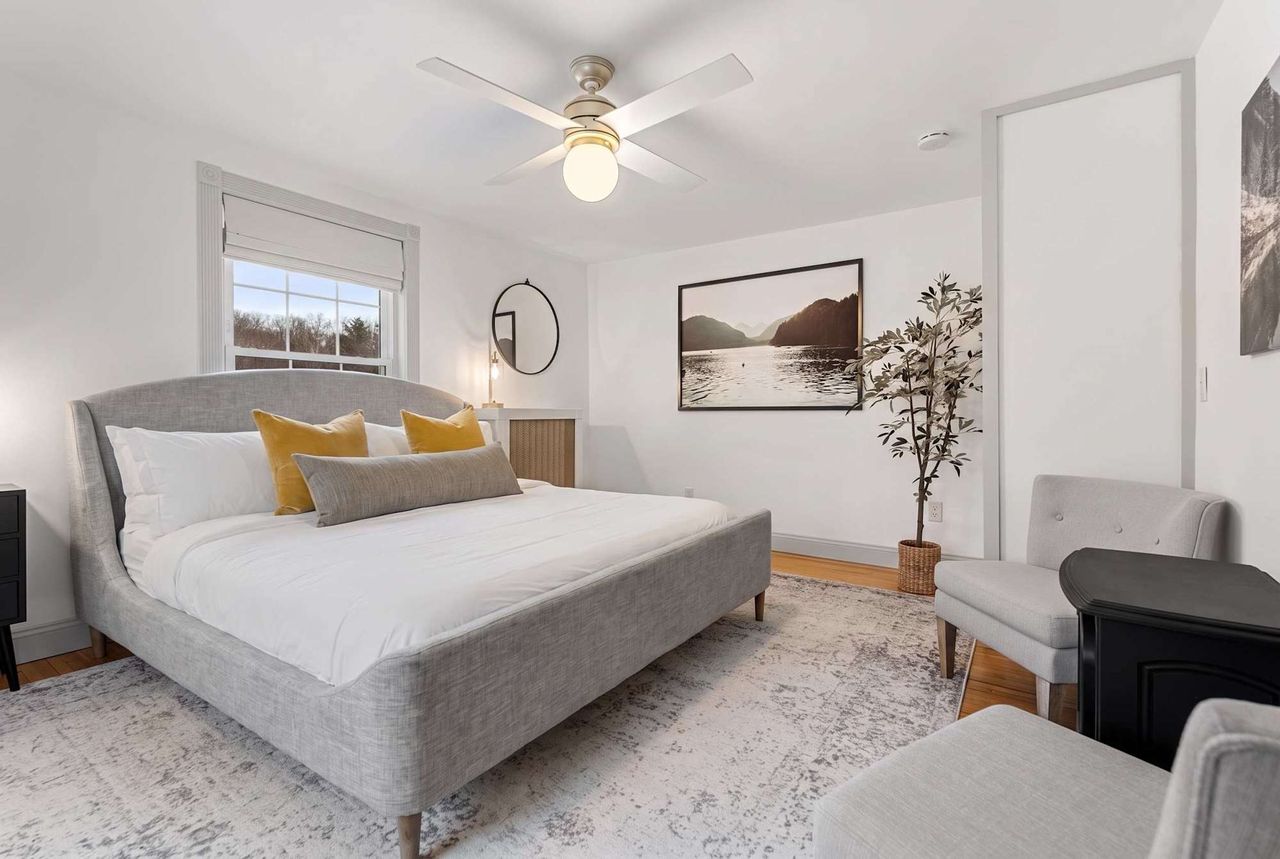
Launchpoint Lodge is deliberately the calm end of that spectrum. We're an adults-only inn — no guests under twelve — with just six suites in a restored 1902 colonial, five of them TV-free, and a virtual innkeeper who is a message away whenever you need us. After a hot day on the trail or the river, you come back to a quiet house, a porch, and a room that's about rest rather than a resort's programming. For couples, solo travelers, and friends who want the mountains by day and quiet by night, that's the whole idea.
Practically, the location does a lot of work in summer. We're 2 min off Exit 32 on I-93, 6 min from Loon, and right at the western mouth of the Kancamagus — so the big drives, the Flume, the notch, and the swimming holes are all short hops, and you're back before the afternoon heat if you want to be. Keyless self check-in means you set your own hours around the long daylight; hike at dawn or roll in late from a sunset ledge and no one's waiting up to hand you a key.
We can't and won't quote you a nightly rate on a guide page — summer rates move with the calendar, and the practical place to see real numbers for your exact dates is the live booking calendar on our site, or just ask us. What we can tell you is what the base is for: mountains all day, quiet all night, and a short drive to nearly everything in this guide.
Safety & conditions
- Rocky Gorge: swimming is prohibited and enforced, so enjoy it from the footbridge. Enjoy the overlook and footbridge, but never enter the water.
- Swim only at Lower Falls, and only when the Swift River is low and calm — never after heavy rain or during early-summer high water. Cold, moving water is hard going even for strong swimmers, and no spot on the river has lifeguards.
- Start hikes early and be off exposed ridges/summits by early afternoon to avoid thunderstorms, which build on hot afternoons. Above treeline there is no shelter from lightning.
- Carry an insulating layer, a windproof/waterproof shell, and a warm hat even in July — the summit can run 25-30°F colder and windy. Leave the cotton at home; it stays wet and chills you, even in summer.
- Bring more water than you expect to need; there is no reliable safe drinking water on most trails without treating it. Add sun protection at elevation.
- Carry a headlamp even on evening outings, plus a downloaded offline map — cell coverage is patchy to nonexistent on most trails and along the Kancamagus.
- Check the higher-summits (mountain) forecast, not the town forecast, and tell someone your route and turnaround time before you head out.
- Wear grippy footwear near waterfalls and river ledges; wet granite is extremely slick, and pools that look like swimming holes may be neither sanctioned nor safe.
Where to stay
Launchpoint Lodge sits at 191 Pollard Road in Lincoln, 2 min off Exit 32 on I-93, 6 min from Loon, and right at the western mouth of the Kancamagus — which in summer means the drives, the Flume, Franconia Notch, and the swimming holes are all short hops. We're a six-suite, adults-only inn in a restored 1902 colonial with keyless self check-in, a virtual innkeeper, and five TV-free suites made for unplugging, which makes it an easy base for the split-the-day summer rhythm: out early before the heat and the storms, back for a midday break, and out again in the long evening light on your own schedule.
The digital guidebook every guest receives has the current higher-summits forecast and trail notes, plus a clear list of which swimming holes we send guests to and which we don't, and what's on in the valley that week. We won't post a nightly rate on a guide page — summer pricing moves with the calendar — so for real numbers on your exact dates, check the live booking calendar on our site or just ask us.
Sources & official info: nhstateparks.org · loonmtn.com · fs.usda.gov · extension.unh.edu · cannonmt.com · nhscot.org
— Launchpoint Lodge, From the lodge