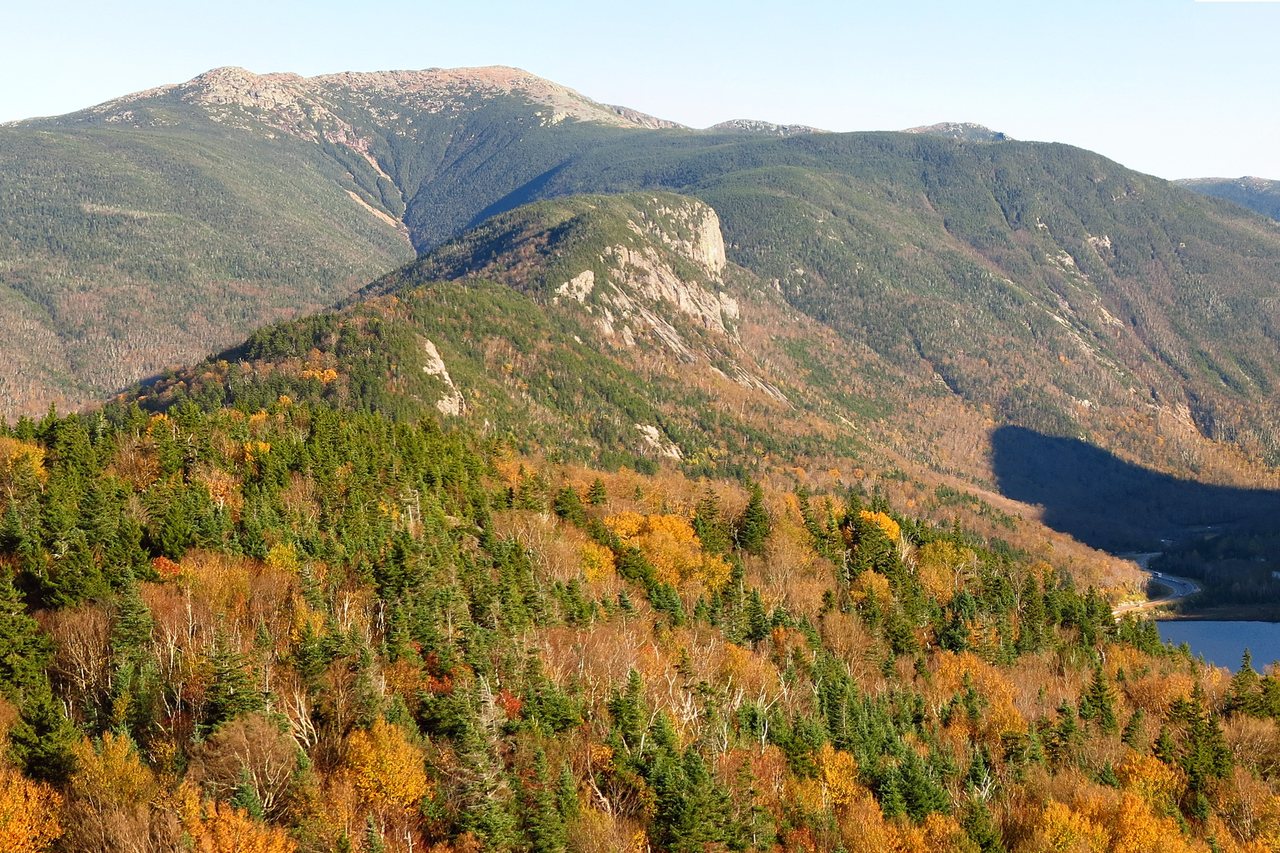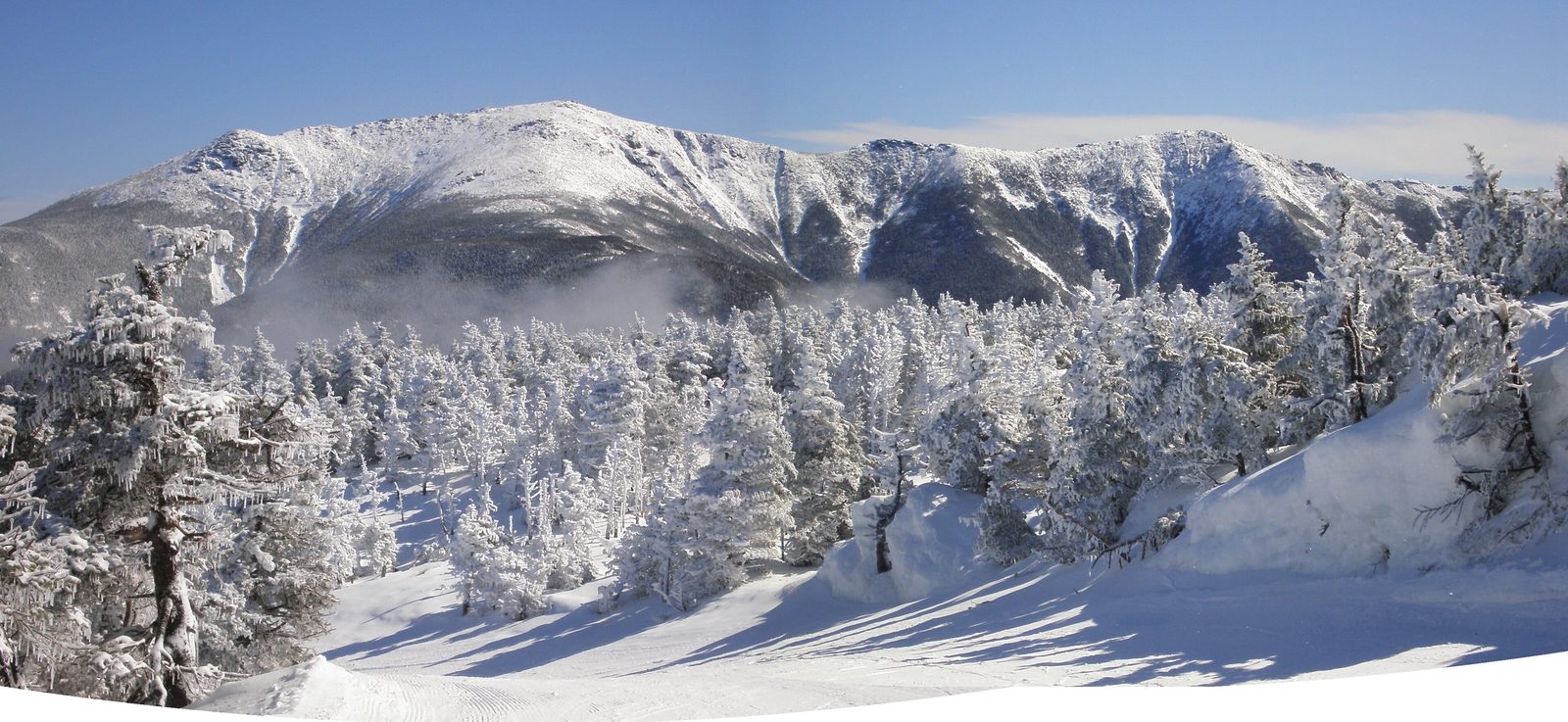
Yes. The Franconia Ridge Loop is climbed all winter by experienced hikers with the right equipment, and on a clear, calm January day the walk along the crest from Little Haystack over Lincoln to Lafayette, with the whole white range around you and the trees below plastered in rime, is the finest thing you can do on foot in New England. In wind and cloud, though, the same ridge becomes an arctic environment a mile and three-quarters long with no shelter and no easy way off, so it rewards a patient wait for the right day.
So the real answer is: yes, if you are a winter hiker, and no, if you are a summer hiker who would like to be one. The difference is equipment, experience with above-treeline conditions, and the discipline to read the Mount Washington Observatory's higher-summits forecast in the morning and turn around when it says so. Below: what changes in winter, the gear that is not optional, how the loop is done, the go or no-go decision, and the winter summits around Lincoln that let you learn.
What changes in winter
The loop is the same nine miles and 3,900 feet, but everything about it is harder. The trails are snow and ice from the parking lot up; the Falling Waters Trail's waterfalls freeze into steep ice slopes beside the trail; the last half mile to Little Haystack and the first mile of the ridge are wind-scoured rock and hard snow; the ridge itself, about 1.7 miles above treeline, carries the full weather of the range, with temperatures routinely below zero, winds that make walking a fight, and whiteouts in which the cairns disappear. Greenleaf Hut is closed and locked. Daylight runs from about seven to four-thirty in midwinter, and the loop takes most parties eight hours or more.
The gear that is not optional
Snowshoes for the trails and crampons or at least rigid traction for the ridge, and the knowledge of when to swap them; poles; insulated waterproof boots; a shell, an insulating layer and a heavy belay-style parka for stops; goggles and a face mask for the wind, without which the ridge is not walkable in a blow; heavy mittens with liners; a headlamp with spare batteries; two liters of water in insulated bottles that will not freeze; food that can be eaten with mittens on; a map and compass and the ability to use them in a whiteout; and an emergency bivy or foam pad. Keep the phone as a backup on the ridge, since batteries drain fast in the cold and signal is scarce. This list is the minimum, and nobody should assemble it for the first time the night before.

How the winter loop is done
Most winter parties start from Lafayette Place, which is plowed, at first light, and climb the Old Bridle Path to Greenleaf Hut and Lafayette first, then walk the ridge south over Lincoln to Little Haystack and descend the Falling Waters Trail, the reverse of the usual summer direction. The logic is that the Old Bridle Path is the safer descent if the weather turns, the ridge is walked with the prevailing northwest wind behind you rather than in your face, and the icy Falling Waters descent is taken in full daylight with the hard part behind. Others reverse it to have the Old Bridle Path's easier grade for the descent on tired legs. Either way, the decision point is treeline: the last trees before the ridge are where you look at the sky and the forecast and decide whether the ridge is on.
Go or no-go
The Mount Washington Observatory publishes a higher-summits forecast every morning, and it is the document that decides a winter ridge day. Summits in the clear, winds under about thirty miles per hour and wind chills that your clothing can handle: go, with a turnaround time. Summits in the clouds, winds over forty, or a front due in the afternoon: do the Old Bridle Path to Greenleaf Hut and back for the view up at the mountain, or pick another peak. The ridge does not care how far you drove. The AMC's winter list counts ascents between the December solstice and the March equinox, and the hikers who finish it are the ones who have turned around most often.
The winter summits for everyone else
The way to become a winter hiker is to climb wooded peaks first, where the trail is sheltered and the summit is a few minutes of exposure rather than two hours. From Lincoln: Mount Tecumseh, the shortest four-thousand-footer, with a plowed ski-area trailhead; Mount Hale, gentle and wooded from Zealand Road's winter lot; Mount Willard's graded carriage road to a ledge in Crawford Notch; Mount Pierce by the Crawford Path, with a short open summit as a first taste of Presidential wind; Cannon by the Kinsman Ridge Trail; Stinson Mountain above Rumney as a first snowshoe summit. Each has a guide on this site with its winter notes. Two or three of those, in real winter weather, and the ridge starts to make sense.
Guides and courses
Nobody has to learn this alone. The AMC and the guide services in North Conway run winter hiking and mountaineering courses in the White Mountains through the season, from a day of snowshoe and crampon skills to guided ascents of the ridge and Mount Washington, and the Mount Washington Valley Ice Fest in February runs beginner clinics. A guided winter day on the Franconia Ridge, with borrowed gear and someone who has read the sky here for years, is the sensible first one.
From the lodge
Lafayette Place is 12 min from our door and plowed all winter, which is the whole advantage: a winter ridge day starts at first light without an alarm set for four, and ends with a hot shower a quarter hour from the trailhead. We keep the higher-summits forecast in the digital guidebook, and we're glad to talk it through by message; when it says no, the wooded peaks and the snowshoe trails are the day, and they are good ones.
Useful links
- Mount Washington Observatory: Higher Summits Forecast
The document that decides a winter ridge day; read it every morning. - hikeSafe: the code and the card
The responsibility code the state judges rescues by, and the $25 / $35 card. - Franconia Notch State Park
Lafayette Place is plowed; the shuttle does not run in winter. - Our Franconia Ridge Loop guide
The full route, the exposure and the seasons. - Our Mount Tecumseh guide
The shortest four-thousand-footer and the usual first winter peak. - Our trail conditions and mountain weather guide
Every source we check before a winter day out.
Sources & official info: mountwashington.org · hikesafe.com · outdoors.org · amc4000footer.org
— Launchpoint Lodge, From the lodge