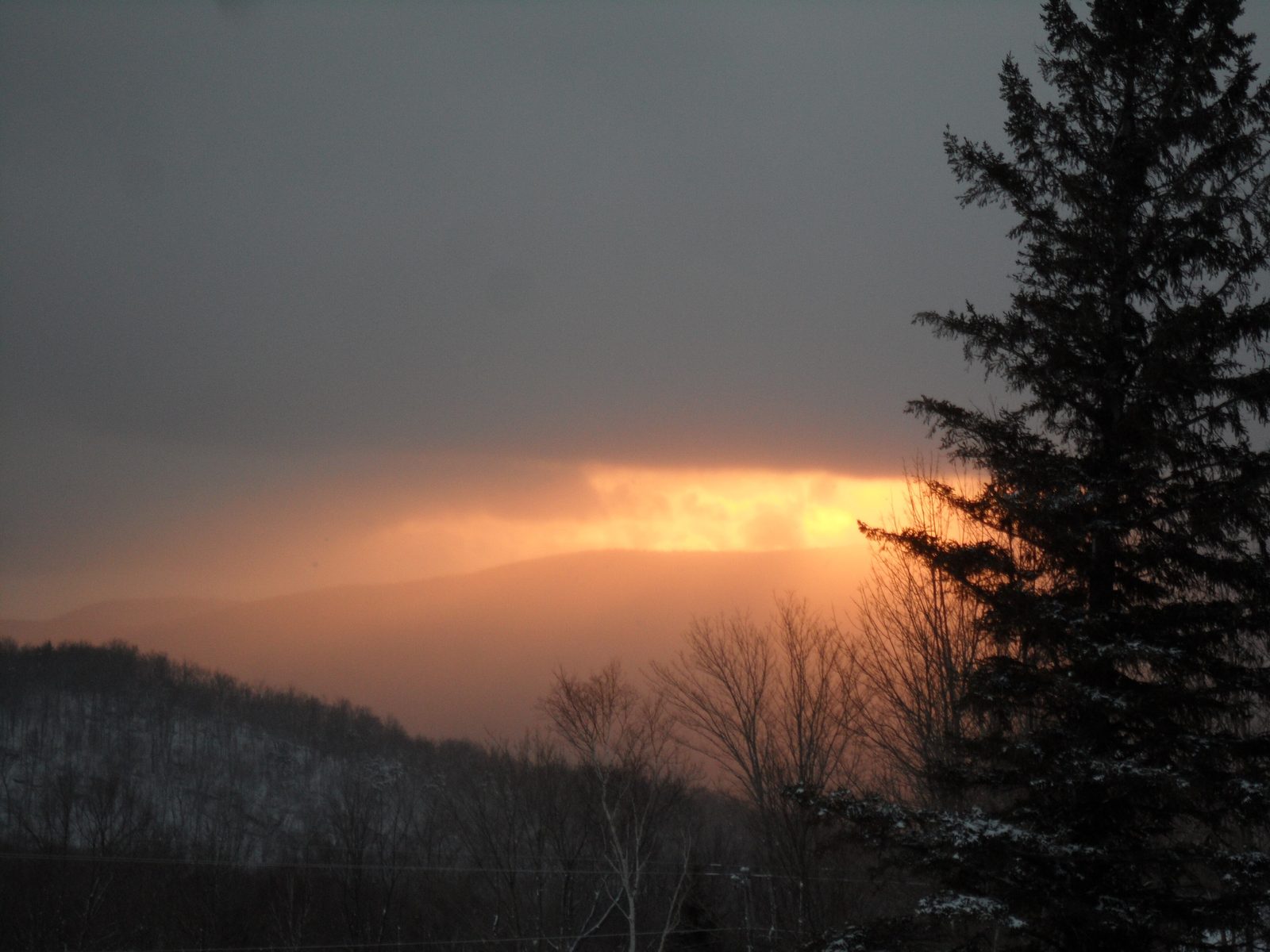
Fifteen to twenty degrees Fahrenheit colder than the valley, before the wind is counted, and the wind above treeline in the White Mountains is routinely two or three times what Lincoln feels. Temperature falls about three to five degrees for every thousand feet you climb, so a summit 3,500 to 4,000 feet above town, which is what the Franconia Ridge and the Presidentials are, starts in the fifties on an eighty-degree July afternoon. Add a forty-mile-an-hour wind and a cloud that soaks your shirt and the wind chill on the ridge is in the thirties. The Mount Washington Observatory's records put the summit's July average temperature in the upper forties, with average highs only in the low fifties, and the summit spends more days in the clouds than out of them.
That is why New Hampshire sees summer hypothermia on the high ridges most years, usually in a hiker wearing a cotton T-shirt and shorts who is caught above the trees by a squall or an afternoon thunderstorm. It is also why every trail guide on this site tells you to read the higher-summits forecast and carry a layer in July. Below: the numbers, the wind, the clouds, the summer thunderstorms, and the small kit that makes a summer ridge day safe.
The numbers: three to five degrees per thousand feet
Air cools as it rises, at a rate that varies with humidity but averages roughly three to five degrees Fahrenheit per thousand feet. The lodge sits near 1,400 feet in Lincoln; Lafayette is 5,249 feet and Washington 6,288. On a day when Main Street reads 80, Lafayette's summit is likely to read 62 to 65 in still air and Washington's the upper fifties at best, and still air is rare up there. The Observatory's long-term normals for the Washington summit give a July average of about 49 degrees, average highs in the low fifties and average lows in the low forties, and a record July low well below freezing. Franconia Ridge, a thousand feet lower and less exposed, runs a few degrees warmer and is still a cold place in a wind.
The wind, which is the real number
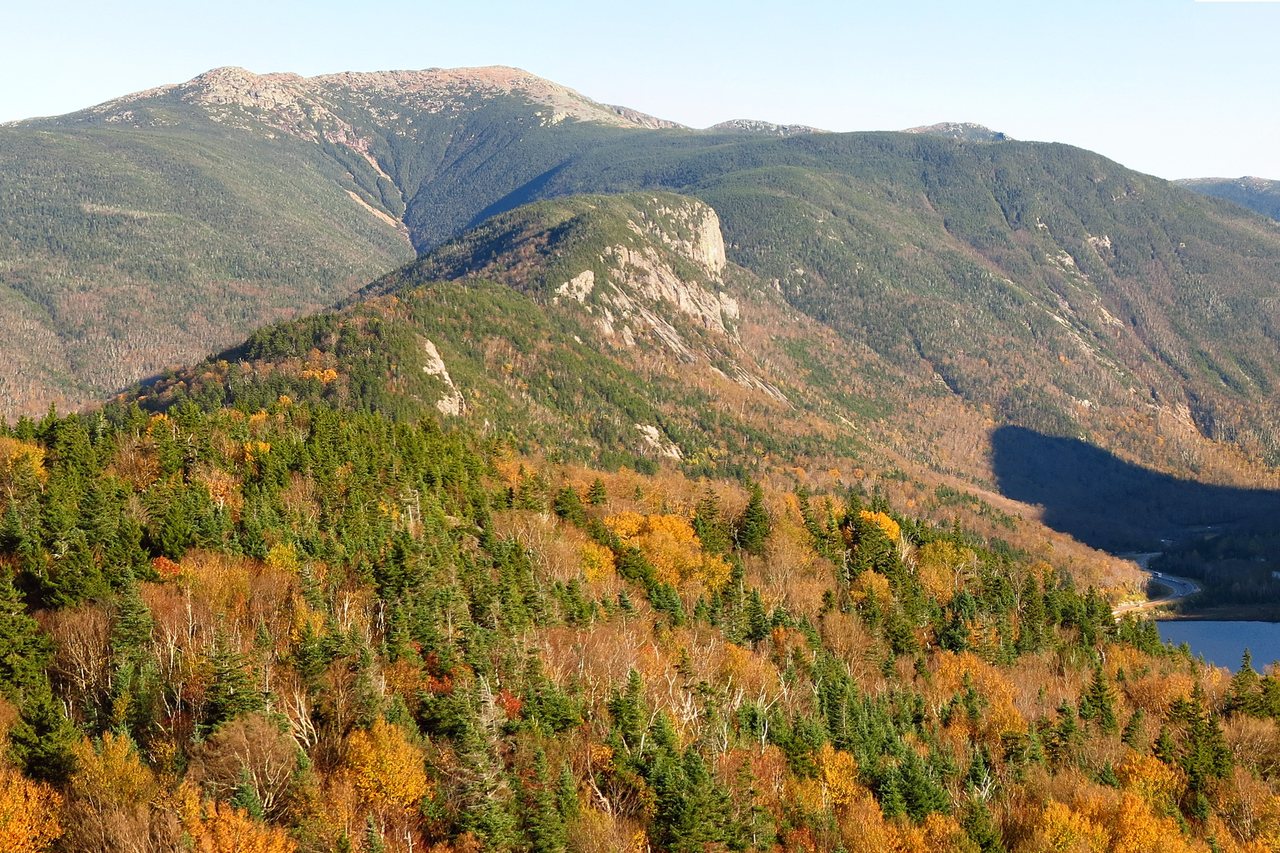
Above treeline there is nothing between you and the weather, and the ridges of the White Mountains sit in the storm track of the continent. Summer winds of thirty to fifty miles per hour are ordinary on the Franconia Ridge and the Presidentials, hurricane-force gusts occur in every month of the year on Washington, and wind chill turns a fifty-degree afternoon into one that feels like the thirties. Wind also strips heat from wet clothing faster than anything else, which is why a dry layer matters: a hiker soaked by a shower at sixty degrees can become hypothermic within an hour. The higher-summits forecast gives the expected wind speed for the day; over forty miles per hour is the number at which we tell guests the ridge is not on.
Clouds, rain and the afternoon thunderstorm
The high summits are in cloud more often than not, and a cloud at 5,000 feet is a cold, wet fog moving sideways at the wind speed. Rain arrives colder up high and with far less notice, because you cannot see it coming across the valley when you are inside the sky. And July and August afternoons breed thunderstorms over the ridges after noon, with lightning that has no higher target than a hiker on an open ridge; every summer alpine hike here starts at dawn so the exposed section is behind you by early afternoon. Our trail conditions guide explains where to read each of these forecasts.
What to carry on a summer ridge day
A windproof, waterproof shell; a warm layer, fleece or light insulated jacket, even when it is eighty in the lot; a hat and light gloves, which weigh nothing and change everything; a spare dry shirt in a plastic bag; synthetic or wool clothing rather than cotton, which holds water and steals heat; more water than seems reasonable, because the wind dehydrates; food; and a headlamp. That kit adds two pounds, and it means a cold hour up high stays just a cold hour. Trail runners are fine for the trail; the layers are not optional above the trees.
Recognizing hypothermia on a summer afternoon
It starts with shivering, clumsy hands and a companion who becomes quiet, irritable or slow to answer, long before anyone thinks the word. The treatment is simple and immediate: get out of the wind below treeline, get the wet layer off and a dry one on, add the shell and the hat, eat something sugary and drink something warm if you have it, and keep moving down. Waiting for it to pass is how it gets worse. On the Franconia Ridge the trees are never more than a mile away in either direction; go to them.
From the lodge
In every month the higher-summits forecast is the one we point guests to, and in July it surprises people most: a warm, still morning in town and a forecast of forty-five degrees and forty-mile-an-hour winds on the ridge. The layers go in the pack, or the day goes to a waterfall. Either is a good day from here.
Useful links
- Mount Washington Observatory: Higher Summits Forecast
Today's temperature, wind and cloud on the high peaks. - National Weather Service, Gray, Maine
Point forecasts by elevation for the White Mountains. - hikeSafe: the code and the card
The responsibility code, including being prepared with knowledge and gear. - Our trail conditions and mountain weather guide
Every forecast and alert we check before a ridge day, and how to read them. - Our Franconia Ridge Loop guide
The route, the exposure and the turnaround points.
Sources & official info: mountwashington.org · weather.gov · hikesafe.com
— Launchpoint Lodge, From the lodge