Self check-in turns out to be one of the things guests bring up most when they write to us afterward. After a long drive north, the last stretch is simply the walk from the car to your door. You arrive when you arrive, you let yourself in with a code on your phone, and the weekend is yours from the moment the door closes behind you. That freedom only works when the mechanics behind it are clear, so here is exactly how arriving at the lodge goes, start to finish, with the small details that keep it smooth.
What we send you before you arrive
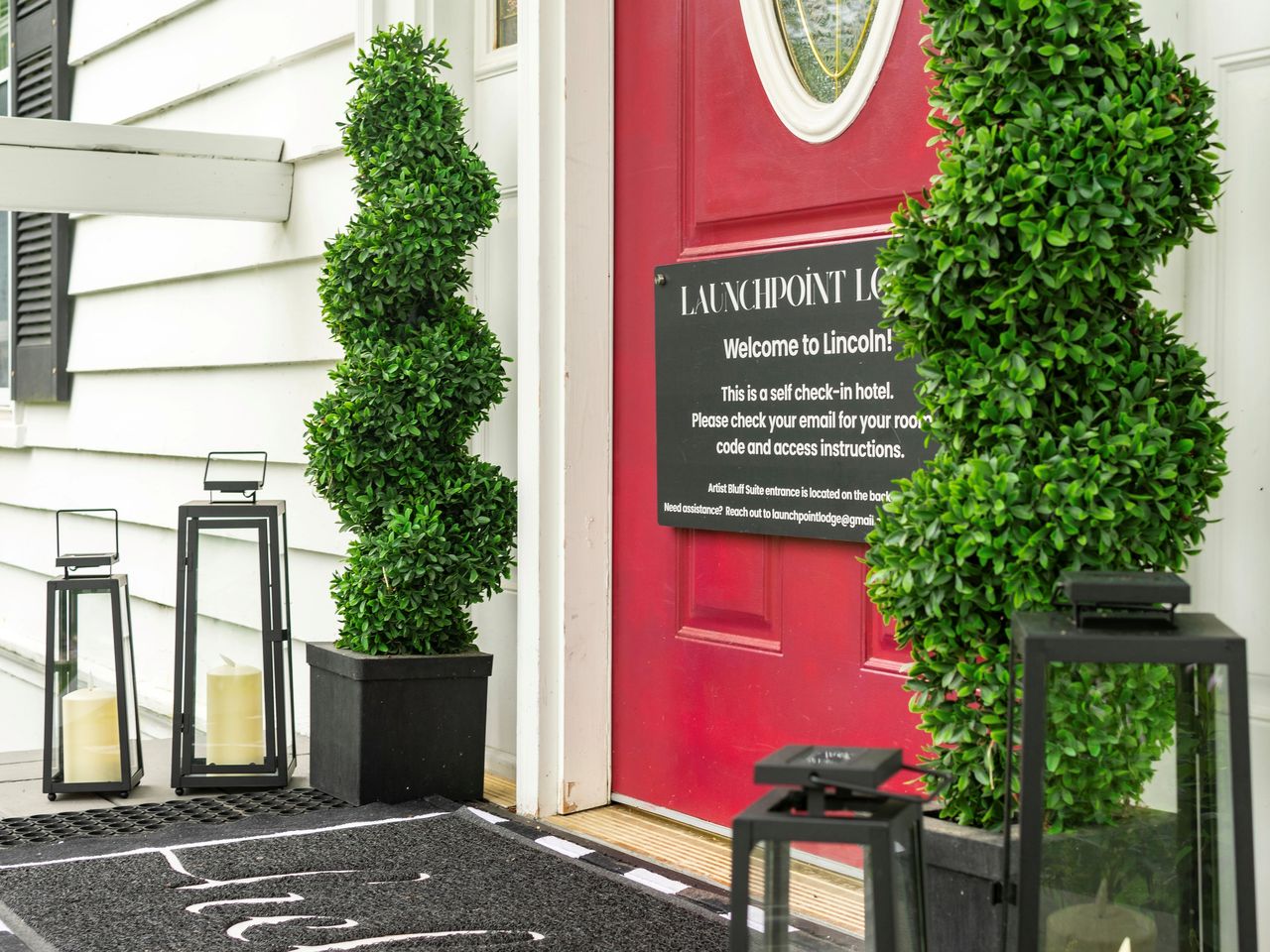
The whole system rests on one email, and it lands in your inbox before you leave home. The day before arrival, once your check-in form and payment are complete, we send you everything you need to let yourself in: the full street address at 191 Pollard Road, a map link that drops a pin on the house, where to park, and your own door code. There is nothing to print and nothing to pick up. No key waiting under a mat, no envelope taped to a window, no phone call to make when you roll into town.
We send the code close to your stay rather than weeks out, because the codes are tied to your dates and we would rather you have the current one in hand than an old one buried in a thread from a month ago. If you booked well in advance, do not go looking for the code the day you reserved. Watch for the arrival email the day before check-in. If it has not appeared by the morning of your arrival, a quick message to us sorts it out in minutes.
One habit saves more arrival-day headaches than any other: read that email before you get in the car, and save the map link and the code somewhere you can reach without a signal. Cell coverage thins out as you drive north into the mountains, and it can be spotty right around town. You do not want to be sitting in the dark outside the house trying to load a page that will not come. Screenshot the code, star the email, or write it on the back of your hand if that is your style. Our note on cell service and what to download walks through the offline maps and details worth grabbing while you are still on fast Wi-Fi at home, and it applies to the drive in as much as to a day on the trail.
If your plans shift and you are arriving earlier or later than you told us, a heads-up is welcome but not required. The house does not care what time you show up. We mention it mostly so we can make sure the suite is ready and answer quickly if anything comes up while you are en route.
The drive in
Most of our guests come up from the south, and the drive is an easy one. From Boston it is roughly two to two and a quarter hours and about 130 miles, almost all of it on I-93 North, and you will leave the interstate at Exit 32 for Lincoln and North Woodstock. There is a single toll on the way, at Hooksett, and it runs about two dollars, so having a couple of dollars in the car or an E-ZPass on the windshield keeps you moving. If you are flying in, the closest airport is Manchester, about 88 miles and an hour and 20 min south of us; Boston Logan is the bigger option at a little over two hours. For the full breakdown of routes and timing from wherever you are starting, our getting here guide lays it out.
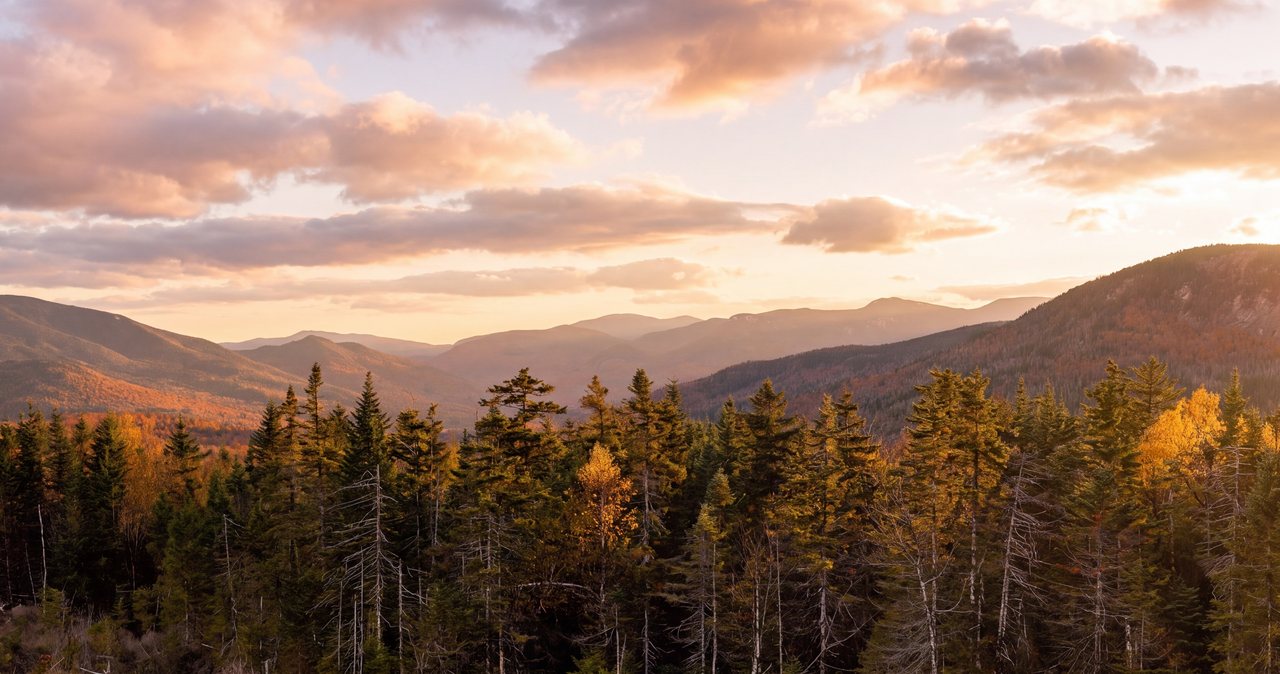
The stretch north of Concord is where the drive starts to feel like the mountains. The highway narrows, the ridgelines close in, and by the time you reach Exit 32 you are surrounded by the White Mountain National Forest. The lodge sits right in the heart of Lincoln, a short hop off the exit, on a quiet residential road rather than out on the strip. That means the last few minutes of the drive are calm ones, past houses and trees rather than signs and traffic.
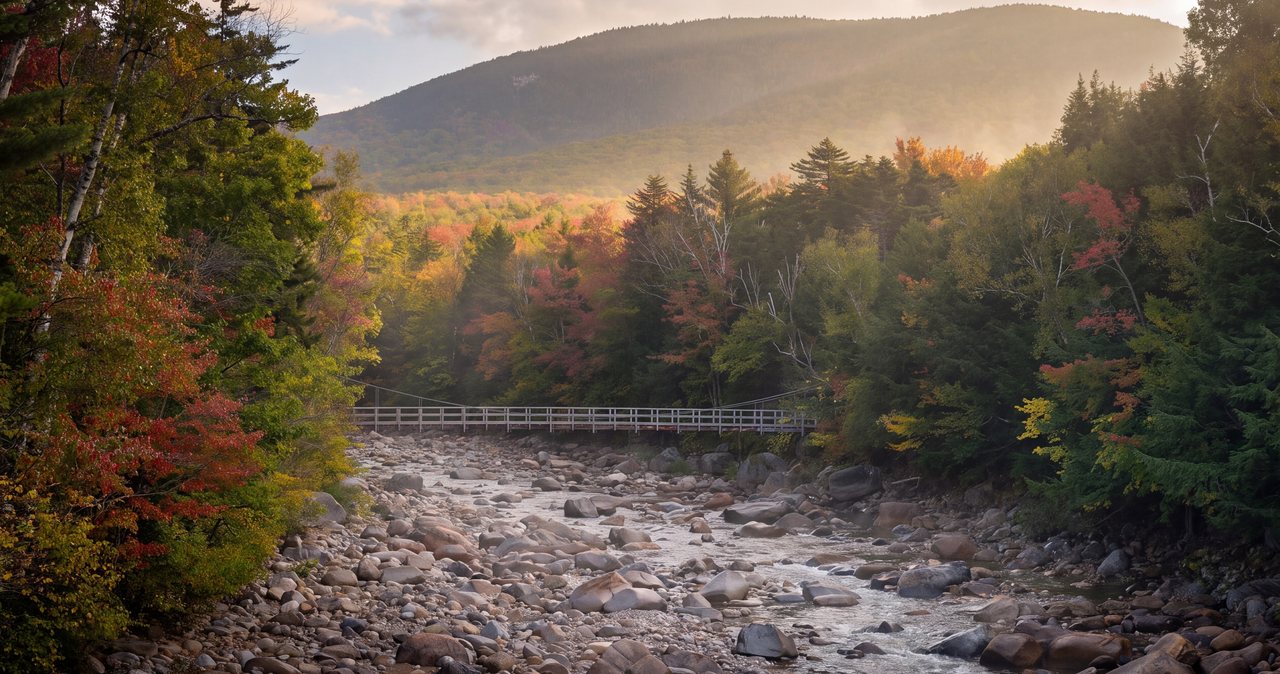
A word on the map, because it is the one place arrivals go sideways. Follow the pin we send, not a search for the lodge by name, and let the map guide you to Pollard Road specifically. If your navigation drops you somewhere that does not look residential, stop and check the pin rather than circling. And keep in mind that the famous drive out of town, the Kancamagus Highway, starts right at the end of the street and runs 34 miles east with no gas, no services, and no cell signal for its length. You will not accidentally end up on it heading to the house, but it is good to know it is there, both as a reason to fill the tank in Lincoln first and as a promise of what is waiting once you have dropped your bags.
Parking at the lodge
Parking is free and it is right there. We have a lot at the house, so you pull in, park, and walk a few steps to the front door with your bags. There is no garage to hunt for, no meter to feed, no permit to display in the windshield, and no charge added to your stay for the privilege. For a mountain town where a lot of lodging pushes you into paid resort lots, a free space outside your own door is a small daily convenience that adds up over a weekend.
Pull all the way into the lot rather than leaving the car on the road, and give the other guests room; six suites means a handful of cars at most, so it rarely feels tight, but a little courtesy keeps it easy for everyone. If you are arriving after dark, the exterior lighting is deliberately low and warm, so use your headlights to find the lot and your phone light, sparingly, to find the door. Once you are parked, the car can mostly stay put. The town core is walkable from the house, and many of the drives and trailheads worth reaching are a short hop away, so you are not shuffling the car around all weekend.
Letting yourself in with your code
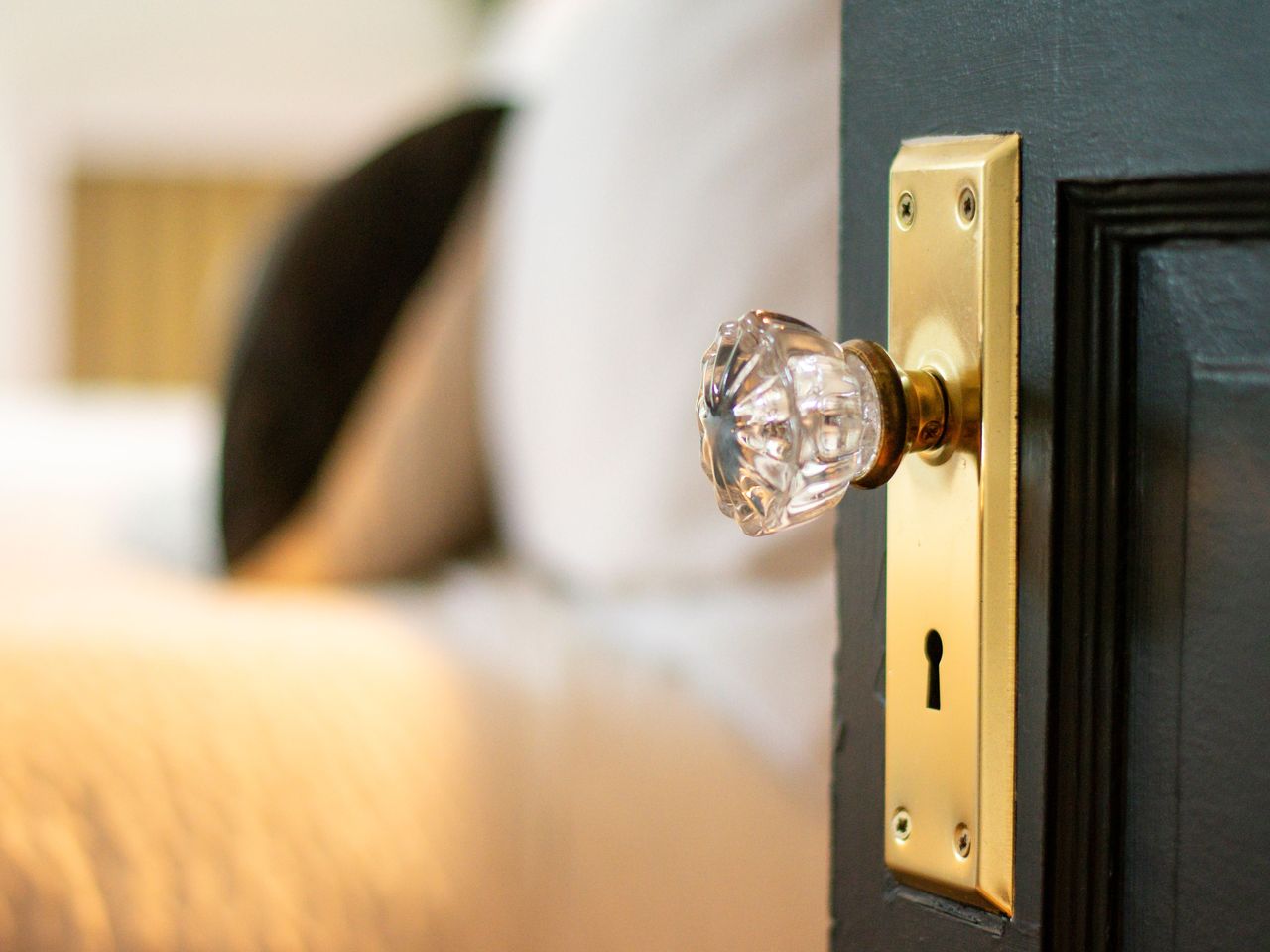
Here is the part that replaces the front desk. The front door of the house opens with your code, and your suite opens with the same code. You walk up, enter the code on the front door lock, step inside, and use it again on your suite door. That is the entire ritual. No key to keep track of, no fob to lose, no card that stops working when it rubs against your phone. If you have ever spent a weekend patting your pockets for a room key, the absence of one is a quiet relief.
The codes are unique to your stay and they change between guests, so the number that opens the door for you is yours alone for the length of your visit and stops working after you leave. That is worth knowing for two reasons. First, it means there is no master key floating around a lobby and no drawer of spare cards a stranger could pull from. Second, it means you should use the current code from your arrival email rather than one a friend gave you from their trip last season; theirs will not work, and yours will.
If a code does not take on the first try, slow down and enter it deliberately; most misfires are a rushed digit or a missed one in the dark. If it still will not open, message us and we will confirm the number and talk you through it on the spot. We would rather hear from you the moment something sticks than have you standing outside puzzling over it. This is the one part of arrival where a working signal helps, which is another reason to keep our number saved and the code screenshotted before you reach town.
Because there is no scheduled meeting at the door, your arrival time is entirely your own. Check-in is any time after 3 PM, and if you are running late because dinner ran long or traffic held you up, it does not matter in the slightest. Your door code works whatever the hour, and a late arrival costs nothing extra. The house is simply there, lit low and ready, whenever you get to it.
Arriving late or after dark
Late arrivals are where a deskless house earns its keep, so it is worth spelling out how a night arrival plays out. You come off the highway, follow the pin to Pollard Road, park in the lot, and let yourself in with your code. No one has to be roused, no bell has to be rung, and you are not apologizing to a clerk for the hour. Guests who have driven up after work on a Friday, or come off a delayed flight, tell us the ability to arrive and be in bed soon after, without rousing anyone, is one of the best parts of the stay.
If you are rolling in hungry, plan ahead, because Lincoln is a small mountain town and the kitchens do not stay open all night. Most restaurants wind down their dinner service in the mid-evening, so a very late arrival may find the dining rooms closed. The grocery in town, Price Chopper on Paper Mill Drive, keeps longer hours than the restaurants, generally into the late evening, which makes it a reliable stop for something to eat and coffee for the morning if you land after the kitchens close. For the fuller picture of where to eat and when, our dining guide for Lincoln covers the range and the hours, and it is the one to check if you would rather stock up than hunt for dinner at nine.
Bring a small light for the walk from the car if you are arriving after dark. The lot and path are easy to navigate, but the property is quiet and dimly lit by design, without the floodlit glare of a highway motel, so your phone light or a small flashlight makes the last few steps to the door effortless. Once you are in and the door closes, the house settles into the calm that guests come here for, and a late night arrival slides right into a good night's sleep.
Arriving before check-in
Check-in opens at 3 PM, which is when the suite is cleaned, reset, and ready for you. If you get to town earlier than that, which happens often when a morning drive goes smoothly, you have good options rather than a wait in a lobby. The town core is a short walk from the house, so you can leave the car and spend a couple of hours over lunch, a coffee, or a wander before your suite is ready. The White Mountains are right there too; an early arrival is a fine reason to start the trip with a short walk or a scenic drive and let the afternoon come to you.
If you would like to drop bags before the suite is ready, or you are hoping for an early check-in, message us and we will tell you whether it is possible that day. Some days the suite is turned over early and we can get you in ahead of three; other days a departing guest and the cleaning between stays means the suite is not ready until check-in time. Because the house runs on real turnover between guests rather than a bank of identical rooms, we cannot always promise an early entry, but we will always tell you where things stand.
The same flexibility works in your favor at the other end of a stay. If your last morning is not rushed and the suite is not booked immediately after you, we can sometimes give you an extra hour before checkout. Ask, and we will let you know. None of this requires a desk or a form. It is a text message and a quick answer, which is the whole spirit of how the house is run.
Settling into your suite
Once you are in, the suite is set up to slow you down on purpose. Five of the six suites are TV-free by design, a choice that surprises a few guests before it wins them over. Without a screen pulling the evening one way, people read, talk, sit by a window, or step outside to look at the sky. If that sounds like a loss rather than a feature, our note on why most of our suites are TV-free explains the reasoning, and most guests come around to it well before checkout.
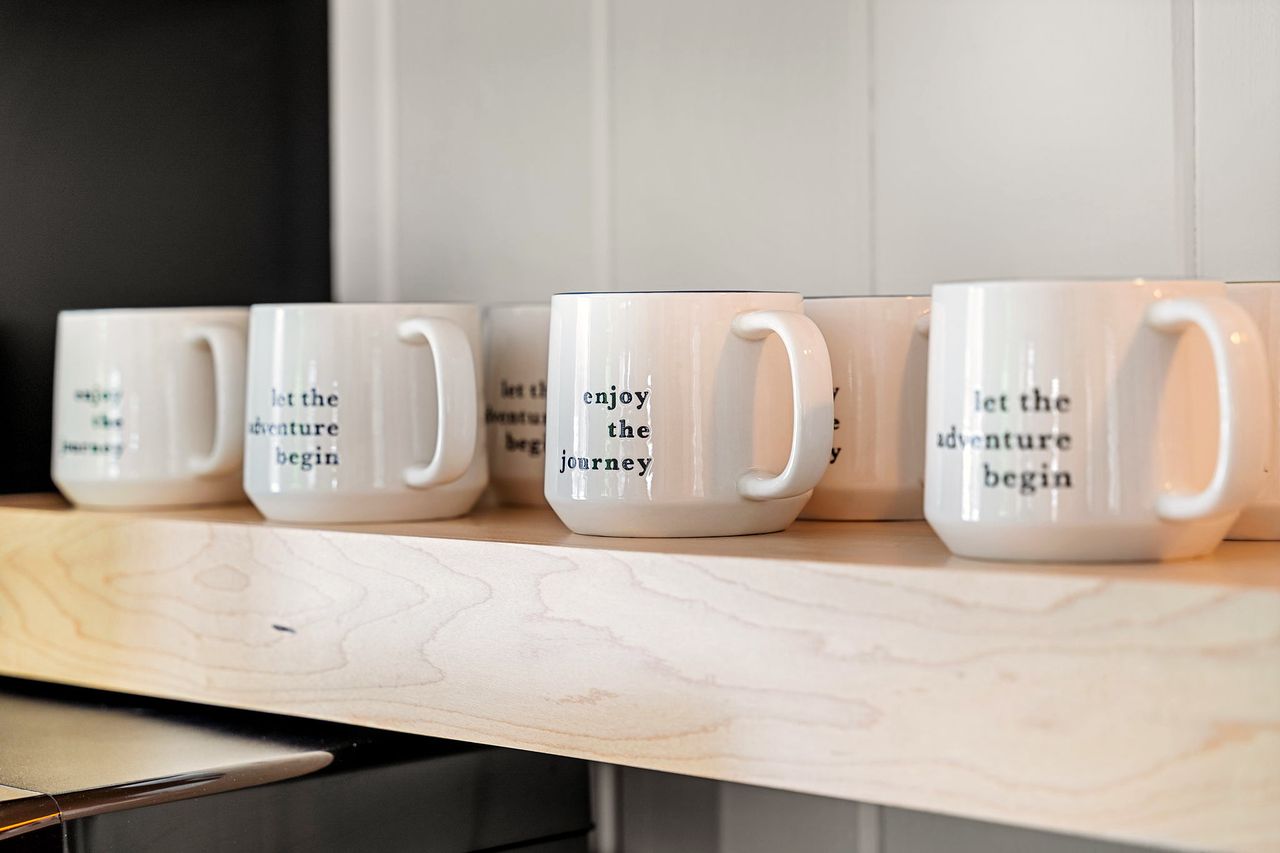
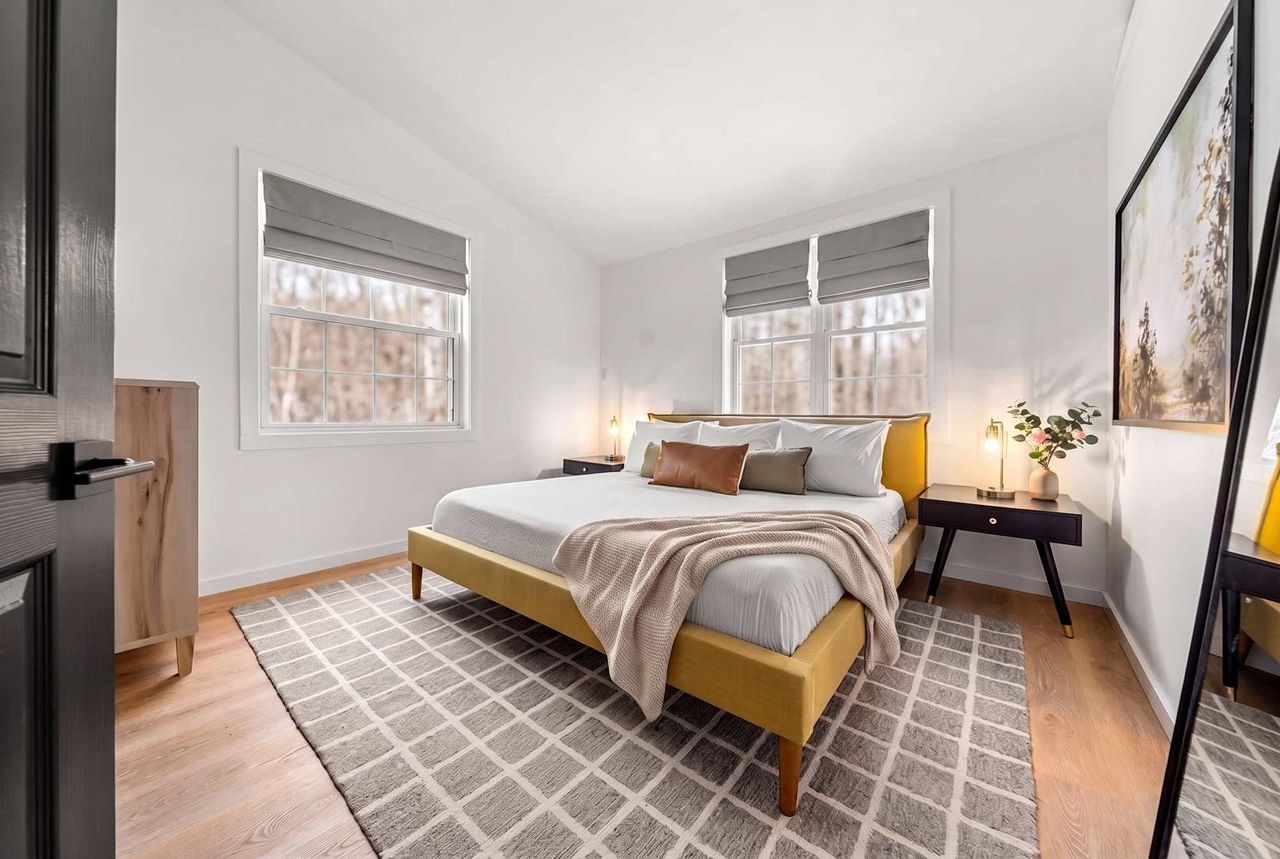
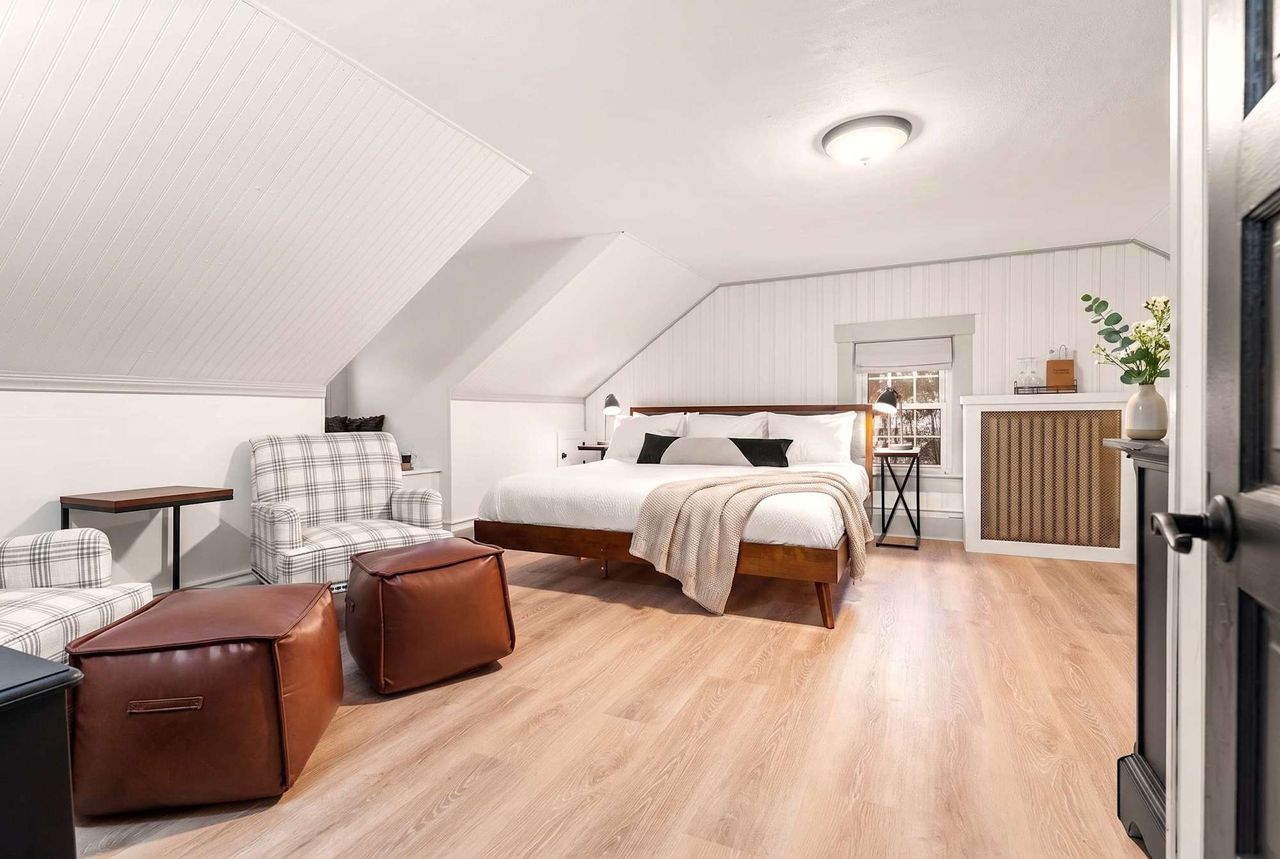
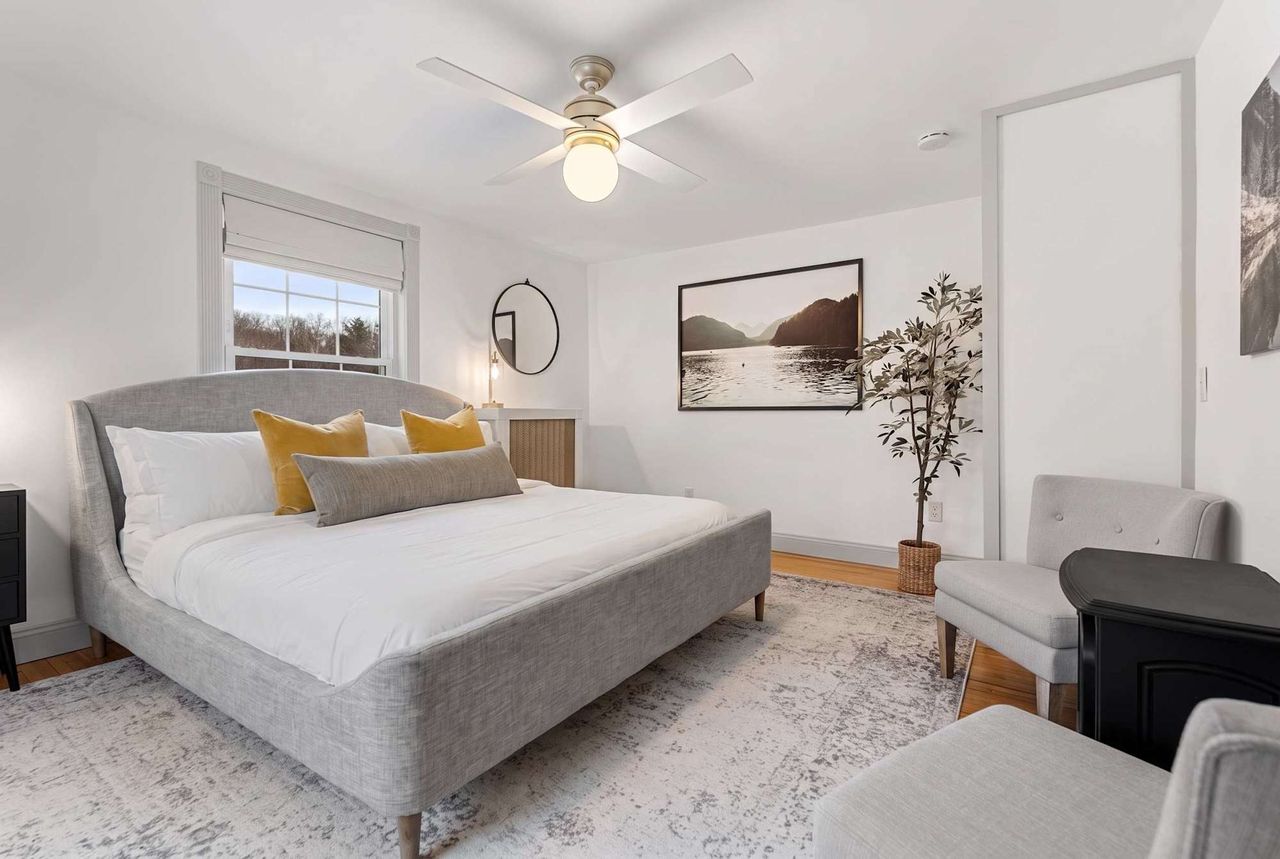
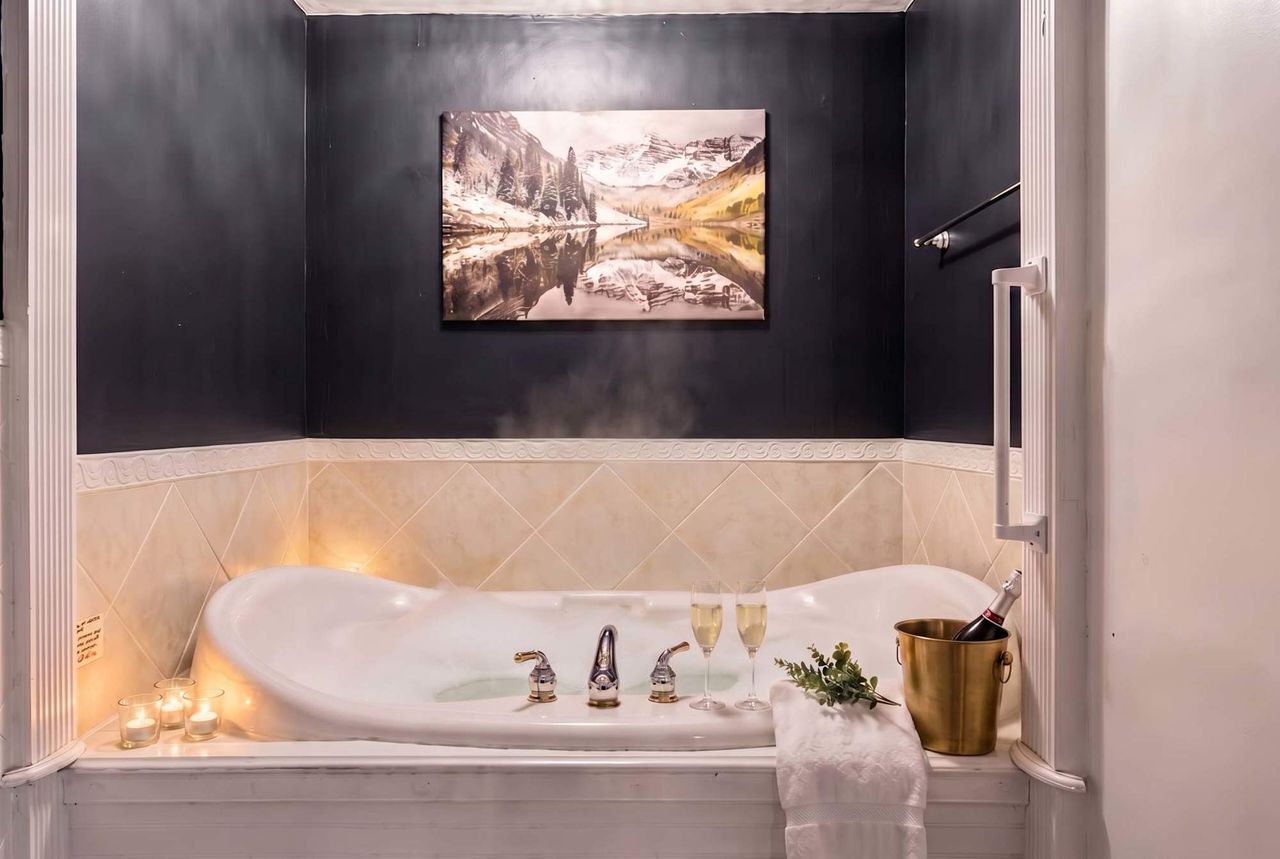
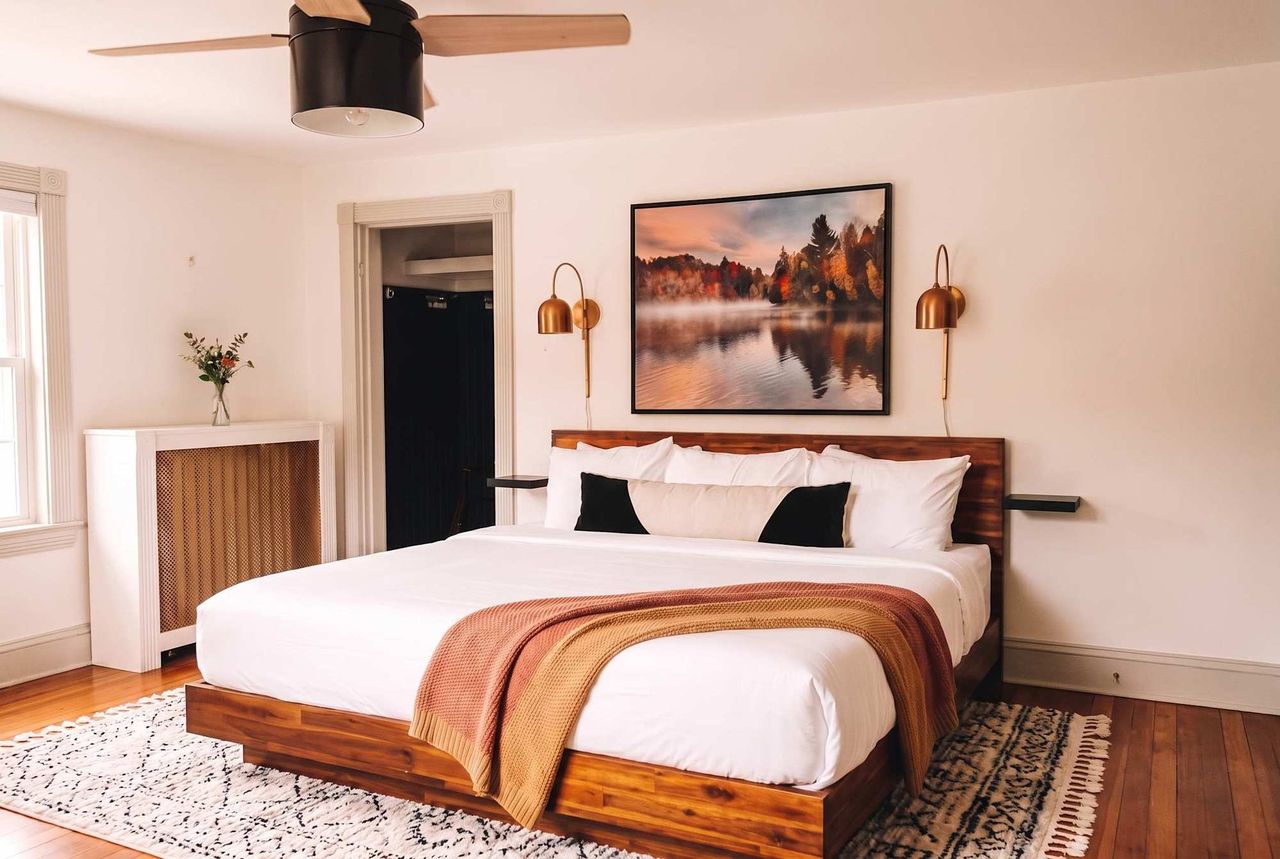
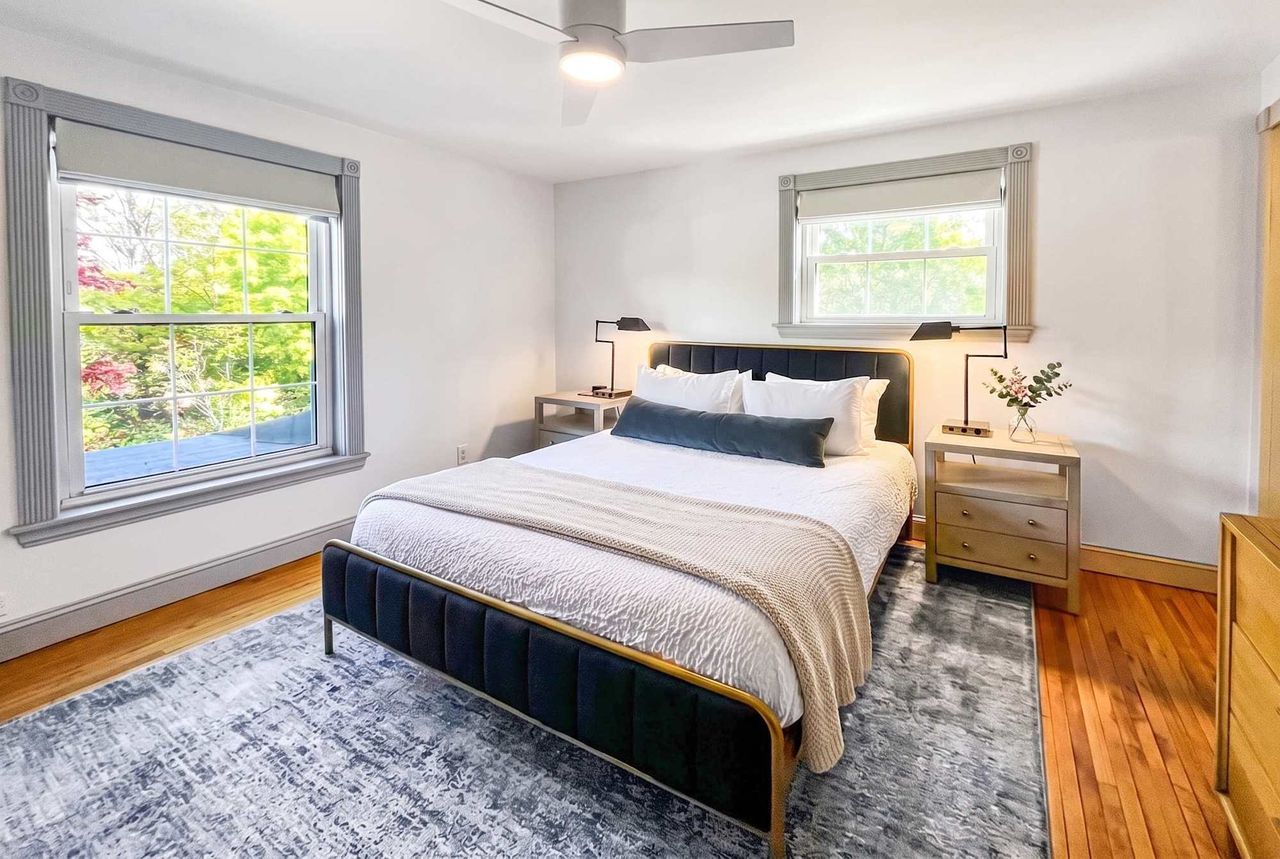
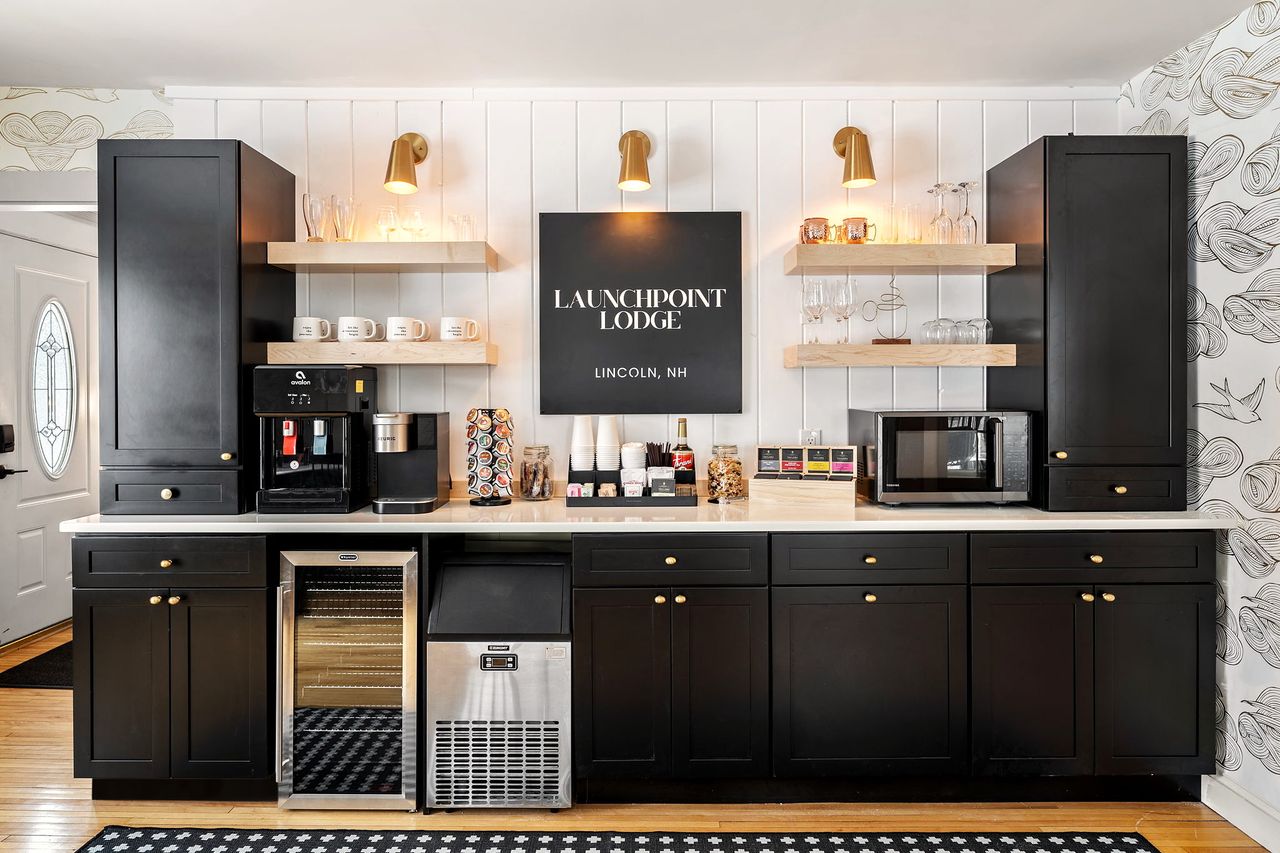
Coffee is always close by, so you can make a cup the moment you arrive or first thing in the morning. Two of the suites, Artist Bluff and Kinsman, have a Keurig; guests in the other four use the coffee lounge on the main floor, with coffee, tea and grab-and-go snacks. The Basin suite has a two-person jetted tub if a long soak after a day in the mountains is what you are after, and the Notch suite has a pair of leather chairs for a slower evening in. If you have not settled on a suite yet, the full lineup is on the rooms page, where you can match a room to the kind of weekend you have in mind.
The house itself is a restored 1902 colonial, which gives the suites the character of an old New England home. It is also adults-only, with no guests under twelve, so the quiet you settle into on arrival is the quiet that holds through the stay. That combination, an old house, low light, suites designed for unplugging, and grown-up calm, is what turns a simple self check-in into the start of an actual retreat.
Reaching us during your stay
Self check-in still comes with a host. We are a text message away for the length of your stay, and we answer quickly. A dinner reservation you would like help landing, a question about which trail suits the weather, a request for an extra hour in the morning if the suite is free the next day, the spare detail about how something in the house works: that is exactly what we are here for, and you get it without anyone hovering in a hallway or knocking to check in.
The distinction guests appreciate is the responsiveness of a small, owner-run house without the constant presence of one. You are not managing a relationship with a front desk or dodging a concierge trying to upsell you a tour. You reach out when you want something and otherwise the house leaves you alone. For most people that balance, help on demand and privacy by default, is precisely what they were hoping a small inn would feel like.
A few things are worth asking us about early rather than late. If you are planning a drive out the Kancamagus, a hike up into Franconia Notch, or a night out somewhere with no signal, ask before you head out, because we cannot always reach you once you are past the last of the coverage. And if you want the lay of the land before you plan anything, the notes we send cover the practical questions most guests have, so you may find the answer waiting before you even ask.
Whether a keyless, deskless house is secure
It is a fair question, and we get it often enough that it deserves a clear answer: yes, a keyless, deskless house is secure, and in several ways more so than the alternative. The codes are unique to each stay and change between guests, so no two visitors ever share a working code and yesterday's guest cannot open today's door. There is no master key on a hook and no stack of spare keycards behind a counter for someone to grab. The building is locked at all times, front door included, so there is no propped-open lobby and no window when the house sits open to the street.
The old worry about self check-in is that a self-guided house feels casual, as if nobody is minding it. The reverse is closer to how it actually works. A coded lock that resets between guests removes the single most common weak point in traditional lodging, which is the physical key that gets copied, lost, or handed back late. Nothing about your door depends on a clerk remembering to deactivate a card or on a housekeeper's master key staying where it belongs.
Practical security still comes down to habits, the same ones you would use anywhere. Keep your code to yourself rather than posting it or passing it around, pull the door fully shut behind you so the lock engages, and do not leave valuables in plain view in the car overnight. Beyond that, the locks are built to keep the house secure without anyone posted at a desk to do it. If anything about a lock or a door ever feels off during your stay, message us and we will look into it right away.
Checking out
Leaving is even simpler than arriving. Checkout is 10 AM, and when you go, you pull the door shut behind you so the lock catches, and that is it. There is no key to return, no card to drop in a box, no line at a desk to settle a bill you already paid when you booked. You load the car and drive off, and the code that let you in simply stops working after you leave.
There is nothing you need to do to the suite beyond the ordinary courtesy of leaving it as you would want to find it. You do not need to strip the bed or wash dishes; the turnover between guests handles the reset. If you have trash to carry out or want to know where anything goes, that is in the suite information, and a quick message to us clears up anything that is not.
If your morning is relaxed and you would like a little more time, ask the night before or first thing that morning. When the suite is not booked for an arriving guest that afternoon, we can often give you an extra hour past ten, the same way we handle early arrivals: a text and a quick answer. And when you do finally pull out of the lot, the Kancamagus Highway is right there at the end of the street for one last slow drive before you point the car south. Plenty of guests build their departure around exactly that.
A few practical notes
A handful of details do not fit neatly into the arrival timeline but are worth having before you come. If you drive an electric car, plan your charging rather than assuming you will top up at the house; our EV charging guide for Lincoln covers where the public chargers in town are and how to work them into a stay, so you arrive with a plan instead of a range warning. Fuel up before any drive out the Kancamagus, which has no gas for its full 34 miles, and top the tank in town rather than counting on a station up in the notch.
The adults-only, no-under-twelve policy is one we hold to, and it shapes the whole feel of the place, from the calm after dark to the common spaces. It is part of why self check-in works as smoothly as it does: the house stays calm and unhurried at any hour. For most of our guests, that grown-up calm is a good part of why they book.
On booking, the best rate is always direct with us. We are a small independent house rather than a listing on a big travel site, and going direct means you deal with the people who actually run the place, both when you reserve and throughout your stay. When you are ready to pick dates, you can check availability and book in a few minutes, and any question that comes up along the way reaches one of us directly.
Finally, do not overthink the arrival. Read the email, save the code and the map before you lose signal, park in the free lot, and let yourself in after three. That is the whole of it. The system exists to hand your weekend back to you the moment you reach the door, private, unhurried, and entirely on your own schedule, which is the way a stay in the mountains ought to begin.
— Launchpoint Lodge, From the lodge