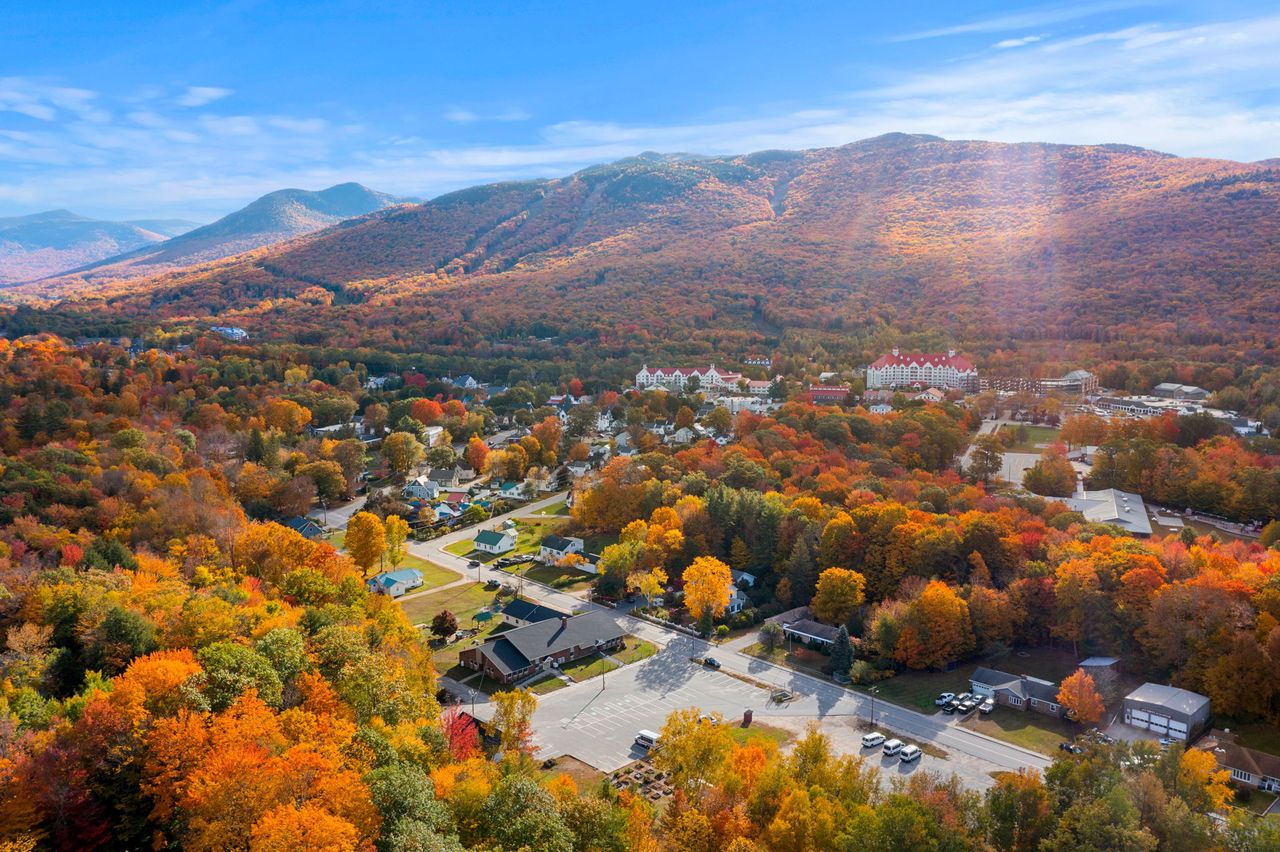
The electric-vehicle picture around Lincoln is simple and lopsided: strong at the exit, empty beyond it. There is a ten-stall Tesla Supercharger at 22 South Mountain Drive right in town, a handful of Level 2 plugs at resorts and lots, and then — for the entire Kancamagus Highway, the Franconia Notch parkway, and every trailhead lot in the national forest — nothing at all. Plan around that shape and an EV trip here is easy; ignore it and you are the person the tow truck talks about.
This page is the map: where to charge, what the mountain roads do to range, and the routine that makes it a non-issue.
Charging in Lincoln
The anchor is the Tesla Supercharger at 22 South Mountain Drive, ten stalls, minutes from Exit 32 and from the lodge — the reliable fast charge for the valley, and open to non-Tesla vehicles with the appropriate adapter or app access where Tesla has enabled it (check the Tesla app for that site's current status; policies change). Beyond it, Level 2 chargers exist at some of the resort properties around Loon and at a few commercial lots in town — slower, sometimes for guests only, and worth confirming through PlugShare or ChargePoint the week you travel rather than trusting a printed list.
The lodge itself: ask us about overnight charging options at booking rather than assuming — the practical answer is that a standard outdoor outlet trickle is not a plan for a big battery, and the Supercharger minutes away is.
Where there is nothing
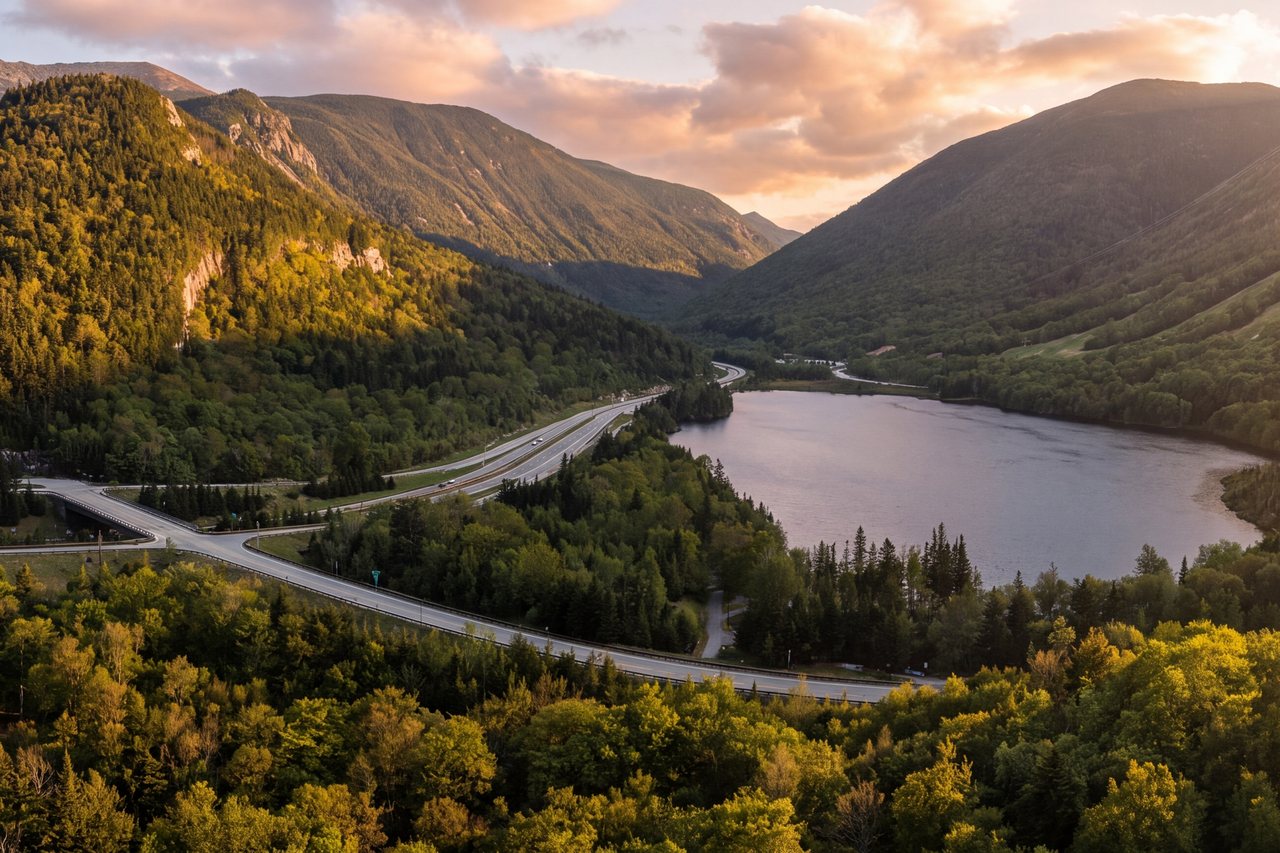
The Kancamagus Highway: 34 miles, no charging, no gas, no anything, with a 2,855-foot pass in the middle. Franconia Notch parkway: none. The state-park and national-forest trailhead lots — Lafayette Place, Lincoln Woods, the Basin, the Flume: none. Crawford Notch: none until you reach the Bretton Woods resort area or Bartlett. Kinsman Notch on Route 112 west: none to Woodsville.
That is not a complaint — it is the national forest working as designed. It just means every mountain drive starts full and ends back in town.
What the mountains do to range
Climbing eats range and descending gives some back, so a Kancamagus round trip from Lincoln nets out close to its flat-road equivalent — but the peak draw on the climb to the pass is real, and if you arrive at the eastern end low, Conway is your next charge. Cold is the bigger thief: a January day in the Whites can cut usable range by a third or more, and preconditioning while plugged in matters more here than at home.
Rule of thumb from guests who do this often: leave Lincoln with plenty for any mountain loop, plan Conway or Bretton Woods as the far-end charge on the big loops, and never start a winter drive under half.
The routine that works
Arrive, charge at the Supercharger while you walk to dinner — it is minutes from the restaurant strip. Top up each morning or evening; the session is short at ten stalls. Kancamagus day: leave full, picnic, charge at the far end if you continue past Conway, or simply turn around with margin. Crawford loop: Bretton Woods area has resort charging. Everything in the notch and at the trailheads is a round trip from a full car.
Winter: precondition, keep the cabin heat plain, budget a third off, and know that I-93 corridor charging south of the mountains is plentiful if you need to bail.
The drive in
The I-93 corridor from Boston and Manchester has fast charging at regular intervals, so the trip up is unremarkable; the last reliable stops before the mountains are around Concord and Tilton, and then Lincoln itself. Coming across Vermont from Burlington or Albany, charge in the Connecticut River valley towns before the notch roads. Our road-trip guides for each origin note the corridor.
Where to stay
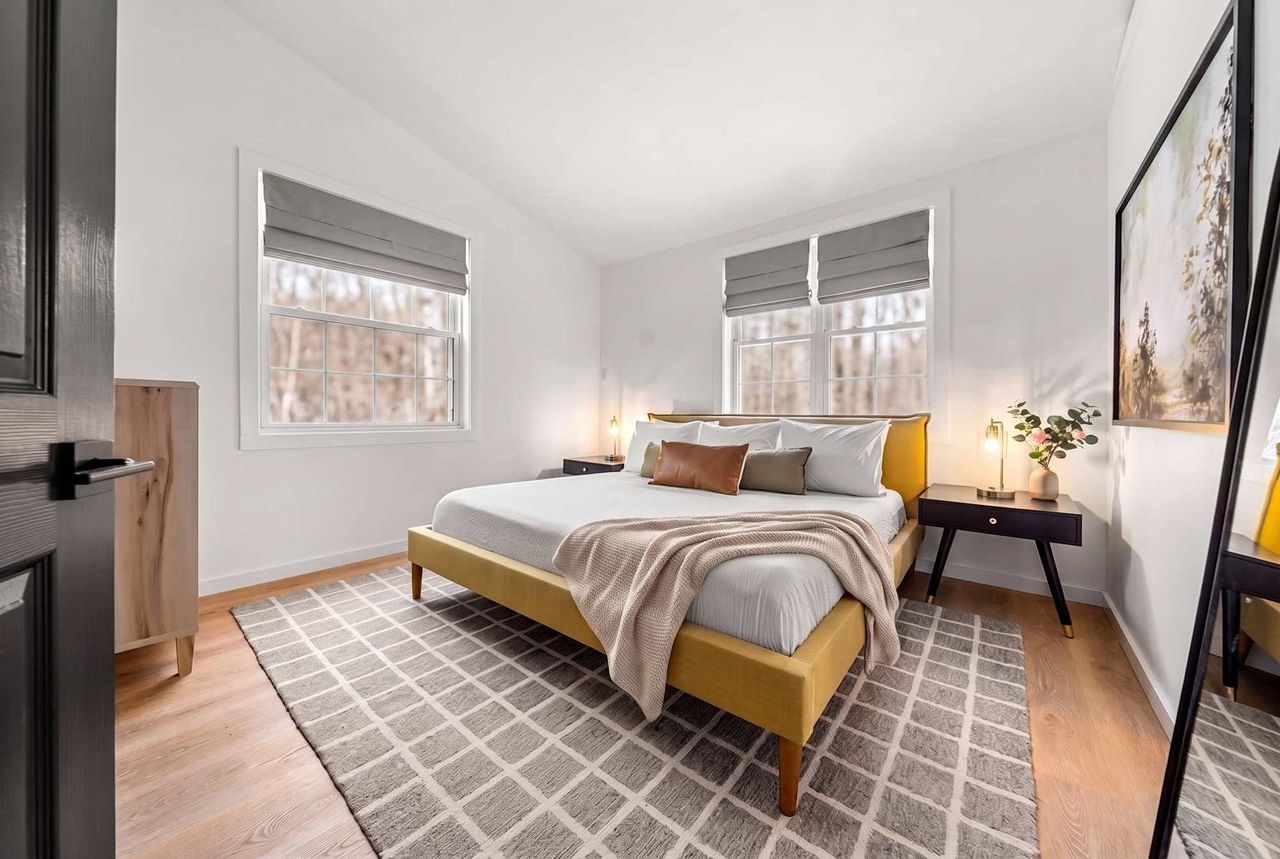
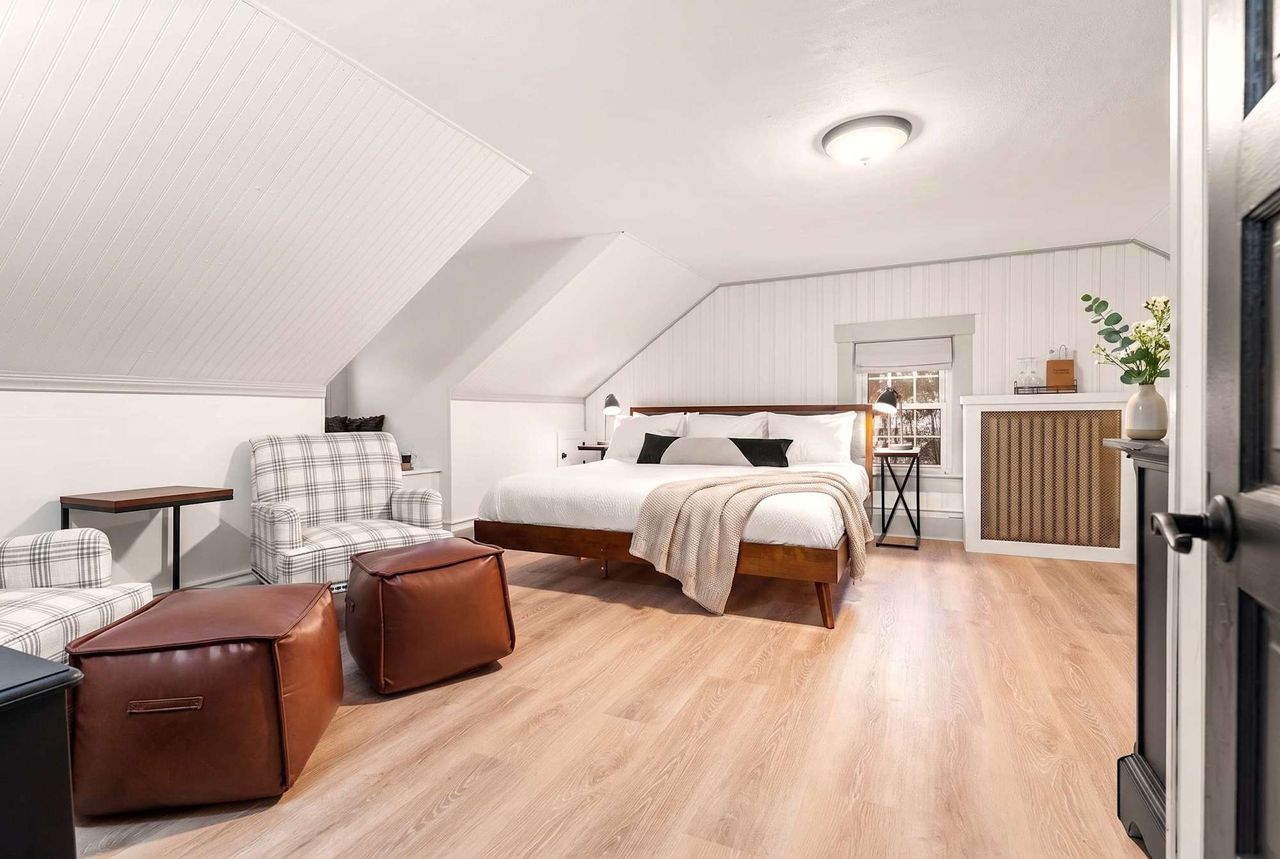
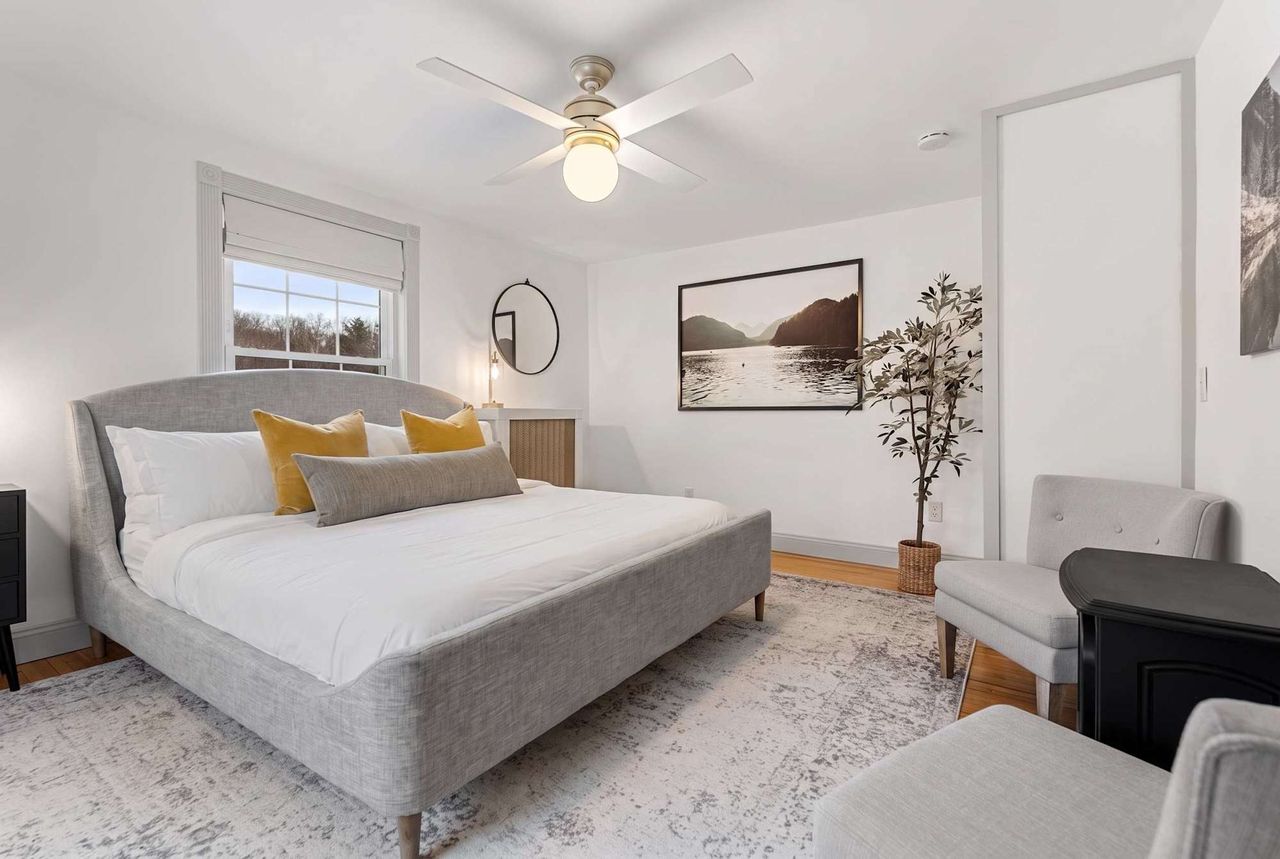
The Supercharger is minutes from the door and from the restaurant strip — charge while you eat is the whole strategy. Ask us about overnight options when you book rather than assuming; the real answer is that the fast charger in town is the plan.
Sources & official info: tesla.com · plugshare.com · fs.usda.gov
— Launchpoint Lodge, From the lodge