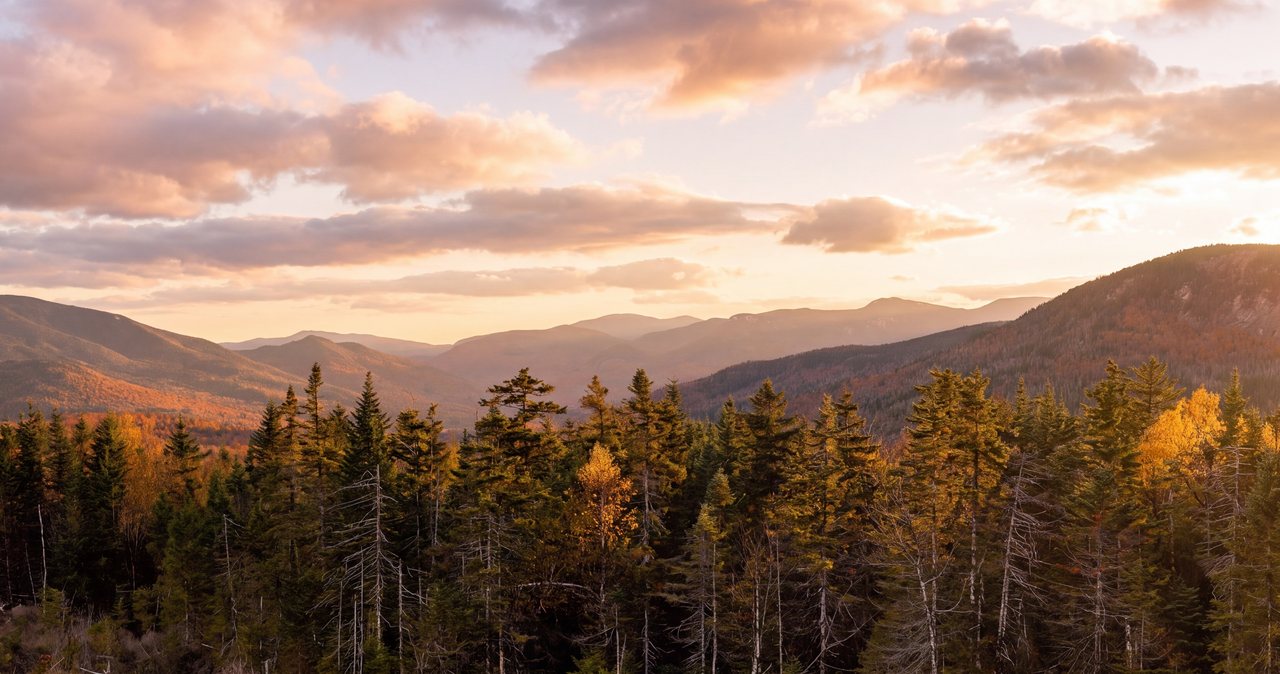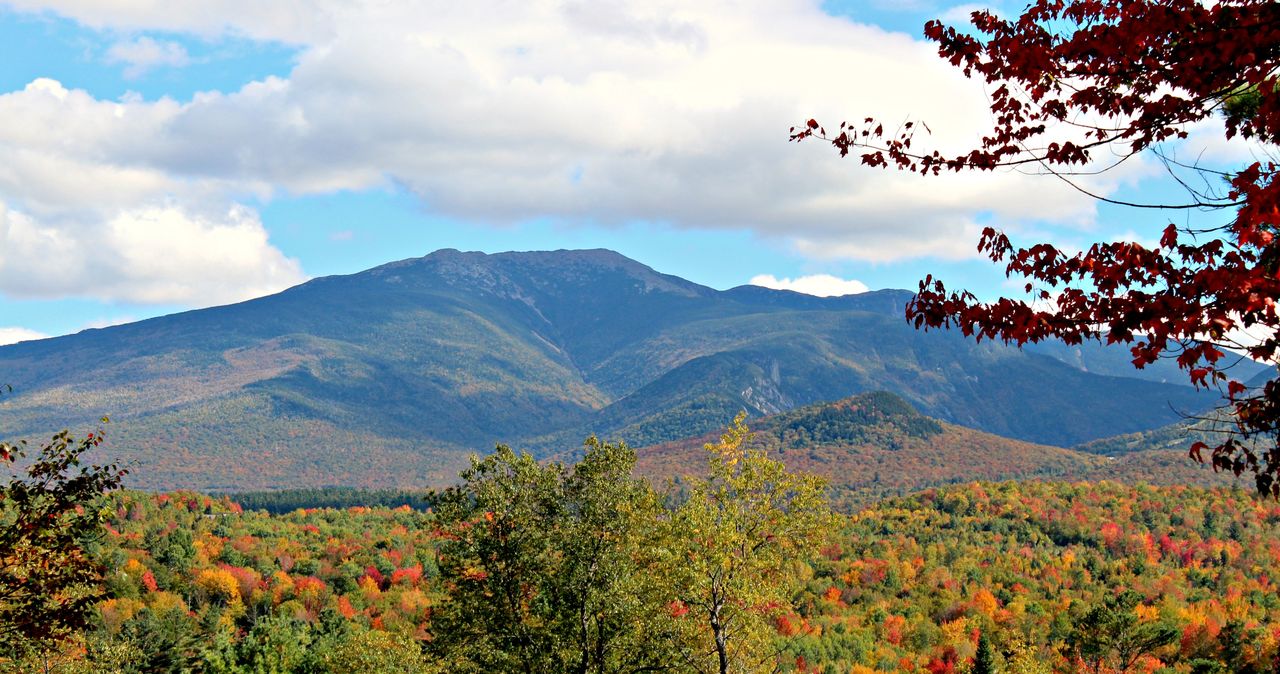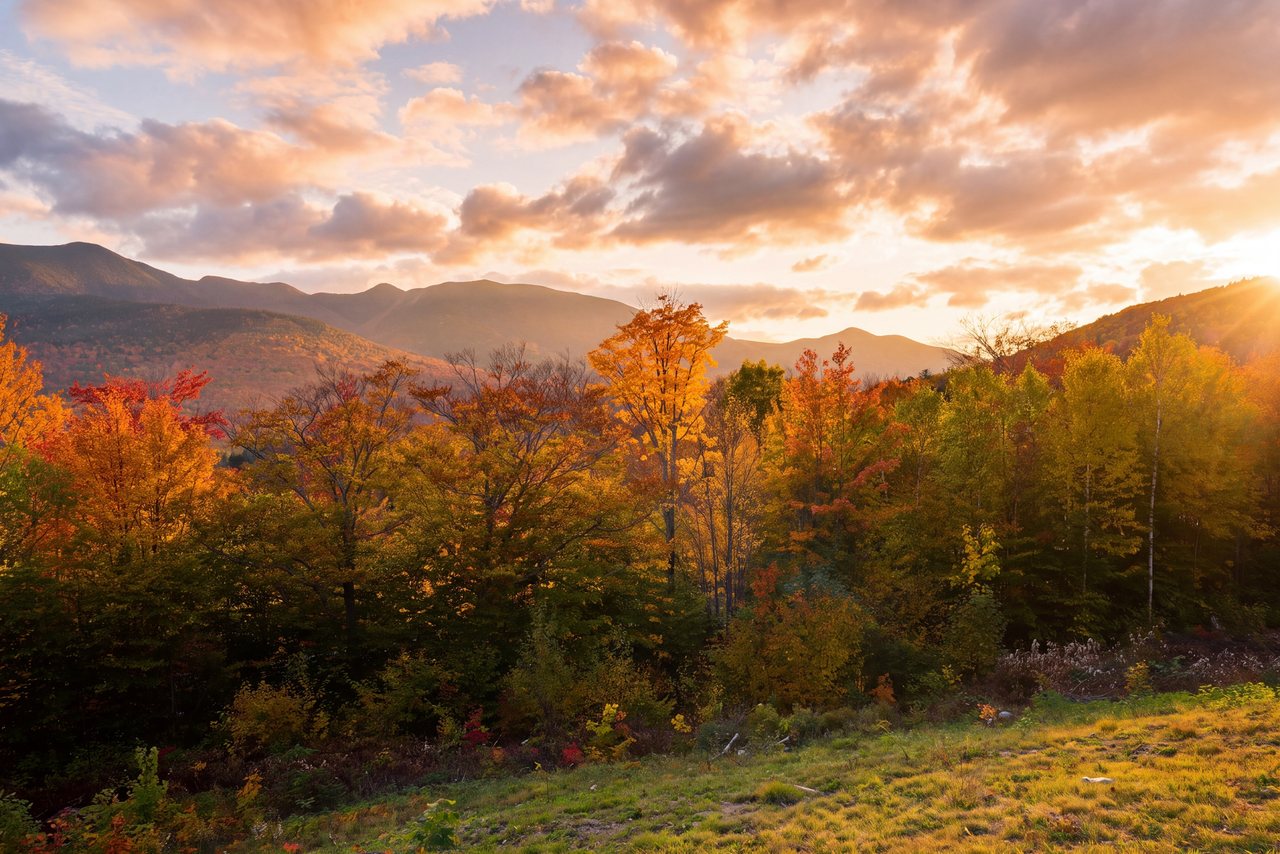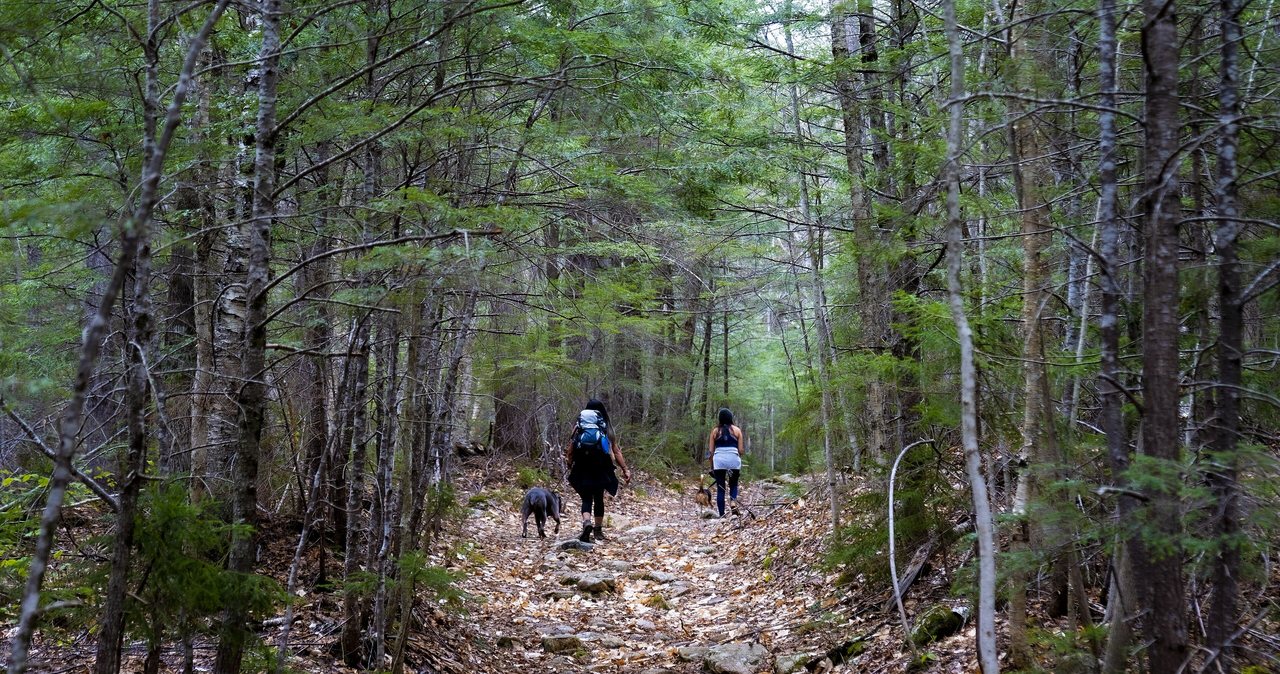
Locals call it mud season: the weeks after the snow goes and before the summer crowds arrive. The high trails are still holding ice or turning to soup, the town has emptied out between the ski season and the leaf peepers, and the lodge is as quiet as it gets all year. For the right kind of weekend, it is our favorite time to be here. The rivers are loud, the mountains are nearly empty, and you can walk into a restaurant in Lincoln without a wait. This is our case for coming up in late April and early May, what is actually worth doing, and the plain logistics that keep a mud-season weekend from turning into a wet, cold slog.
What mud season is and when it happens
Mud season is the stretch between winter and summer when the snowpack melts out of the valleys and the ground underneath turns saturated and soft. In our part of the White Mountains it runs roughly from mid-April into late May, and some years the tail of it lingers into early June up high. The snow leaves the town and the low woods first, then works its way up the mountains over several weeks. By the time the daffodils are up in Lincoln, there can still be a few feet of old snow sitting in the shaded ravines above 3,000 feet.
The name is literal. All that meltwater has to go somewhere, and while a lot of it roars off down the rivers, plenty of it sits in the soil and on the trails. Low paths that were frozen solid all winter thaw from the top down and turn to mud that does not drain, because the ground a few inches below is still frozen. Dirt roads get soft. The trails that climb through the woods become a mess of standing water, slick roots, and boot-sucking muck. This is why the season has a reputation, and why some visitors write it off without a second thought.
We think that reputation is doing a lot of work to keep the place quiet for the people who show up anyway. The weather in late April and May is unsettled: you can get a warm blue-sky afternoon and a raw sleety morning in the same twenty-four hours, and the evenings still carry real winter in them well into May. What you get in exchange for that gamble is a version of the White Mountains that most people never see, with the water at full volume, the woods waking up, and hardly anyone around to share it with. If your idea of a good weekend involves a loud river, a big soak, and no crowds at all, this is the one to book.
The rivers and waterfalls at full flow
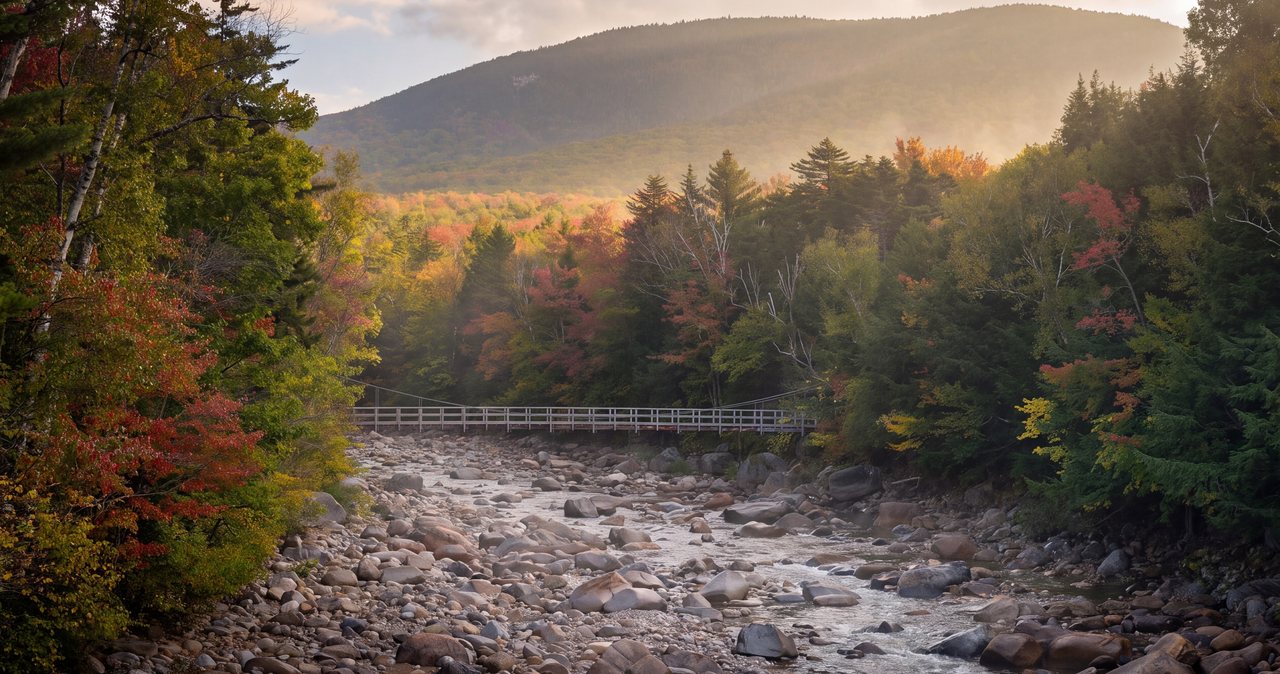
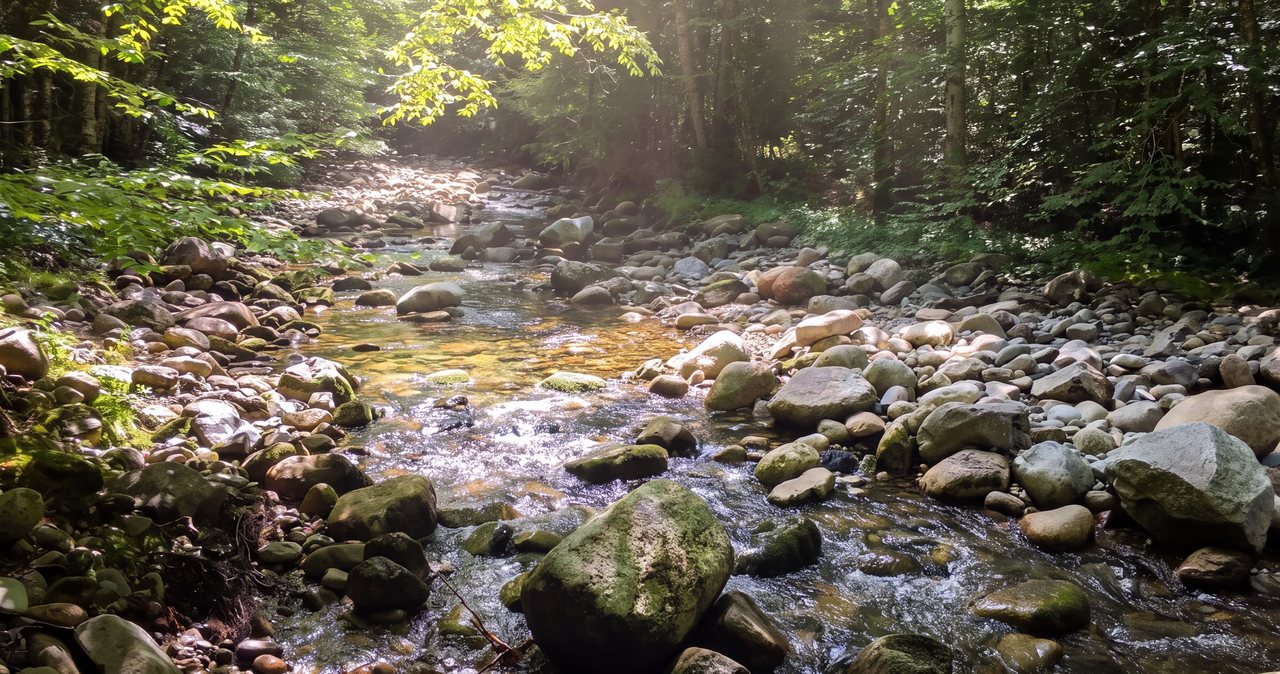
The water is the headline act of mud season, and it is the main reason we love this stretch. Every bit of that melting snowpack drains downhill, and it comes off the mountains in a hurry. The Pemigewasset River, the Pemi, runs right through Lincoln and North Woodstock, and in a good melt it turns from the tame late-summer stream people remember into a fast, brown, muscular thing shouldering over the rocks. The Swift River, which the Kancamagus Highway follows east out of town, does the same. Waterfalls you would drive right past in August, barely a trickle over the ledge, become the loudest thing in the forest.
The easiest place to feel it is the Basin, a granite pothole scoured out by meltwater over thousands of years, about 14 min north of us in Franconia Notch and a 5 min walk from the parking lot on a paved path. There is no ticket and no gate; it is open and free all year. In August the Basin is a pretty swirl of clear water. In May it is a churning, thundering bowl with the Pemi driving through it at full spring volume, and the short paved walk means you can stand right over it without a real hike. It is the single best demonstration of what mud season does to the water, and it costs you almost no effort to see.
For a little more walking, Georgiana Falls is a good low-elevation target this time of year. The path leaves from just off Route 3 a couple of minutes outside Lincoln and climbs gently along Harvard Brook; it is about a mile and a half round trip to the lower falls, a broad thirty-foot cascade, and closer to two and a half miles if you push on toward the upper falls. In spring runoff the brook is full and the falls put on a real show. The footing gets slick on the wet granite up higher, so this is a boots-and-poles walk rather than a sneaker stroll, and the upper section is worth turning around on if the rock is greasy. Agassiz Basin, a set of cascades and potholes on Moosilauke Brook just off Route 112 in North Woodstock, is another short, low walk that peaks in the melt.
The larger point is that spring is the season to chase water instead of summits. The falls are at their best, the crowds that clog these pullouts in July are not here yet, and none of it asks you to climb into the snow line. There are more low cascades within a couple of hours of the lodge, and several of them are at their loudest right now, so a mud-season afternoon strings together nicely as two or three short waterfall walks rather than one long climb.
If you would rather watch the water than walk to it, the Kancamagus Highway makes a fine mud-season drive. It leaves from the end of our street and follows the Swift River east for thirty-four miles through the national forest, and in the melt the river runs alongside the road, brown and fast, most of the way to Conway. Know before you go that the Kanc has no gas, no food, no services, and no cell signal for its entire length, in any season, so fill the tank and download your directions in town first. The road climbs to a height of land around 2,855 feet at Kancamagus Pass, so the top holds winter later than Lincoln does, and old snowbanks can sit in the shaded cuts up there well into the melt. Some of the roadside pullouts and trailhead facilities along it are not plowed out or open until later in spring, so treat it as a scenic drive-through in the early weeks rather than a road you count on for a walk. If you do pull off to walk, note that trailheads in the White Mountain National Forest ask for a parking pass, five dollars for the day or thirty for the year, which you can pick up in town before you head out.
Valley walks and hardened trails
The reason we keep steering you toward the water and the valleys is that the high trails are the wrong place to be in mud season, for your sake and the trail's. The steep footpaths that climb the ridges are still holding snow and ice up top well into May, and the lower stretches are saturated. When you walk a soft, wet trail, your boots widen it, tear up the edges, and trample the plants alongside it, and the damage sticks around long after the mud dries. The Forest Service and the Appalachian Mountain Club ask hikers to stay off the steepest trails above about 3,000 feet through the worst of the melt for exactly this reason. The forest managers take that request seriously, and honoring it is part of being a decent guest in these mountains.
The good news is that the walks worth doing in the melt are the low, hardened, well-built ones anyway. Paved and gravel paths, riverside walks in town, and the short developed spurs to the water shed the mud and hold up under boots. When you are on a wetter natural trail, the etiquette is simple:
Walk straight through the mud in the center of the trail, not around it. Stepping around the puddle is what widens the path and kills the plants. Wet boots dry; a braided, blown-out trail takes years to heal.
One of the best low, flat options near us is the Franconia Notch bike path, an 8.7-mile paved recreation trail that runs the length of the state park, separated from the parkway, past Echo Lake, the Basin, and down toward the Flume. It is a fine walk or an easy ride when it is clear. In mud season the path thaws unevenly, with lingering ice in the shaded cuts, sand and grit left from winter, and wet spots early in the season, so it walks better in May than in April. Down in town, the level paths along the Pemi give you the river at full flow without any climbing at all.
Before you settle on any walk, check the current conditions, because they change week to week and even day to day in the melt. Our guide to trail conditions and mountain weather explains how to read the spring reports and where the reliable ones are, and it is worth 5 min before you decide where to point your boots. A walk that is bone-dry one weekend can be shin-deep the next after a warm rain.
The Flume and Franconia Notch in spring
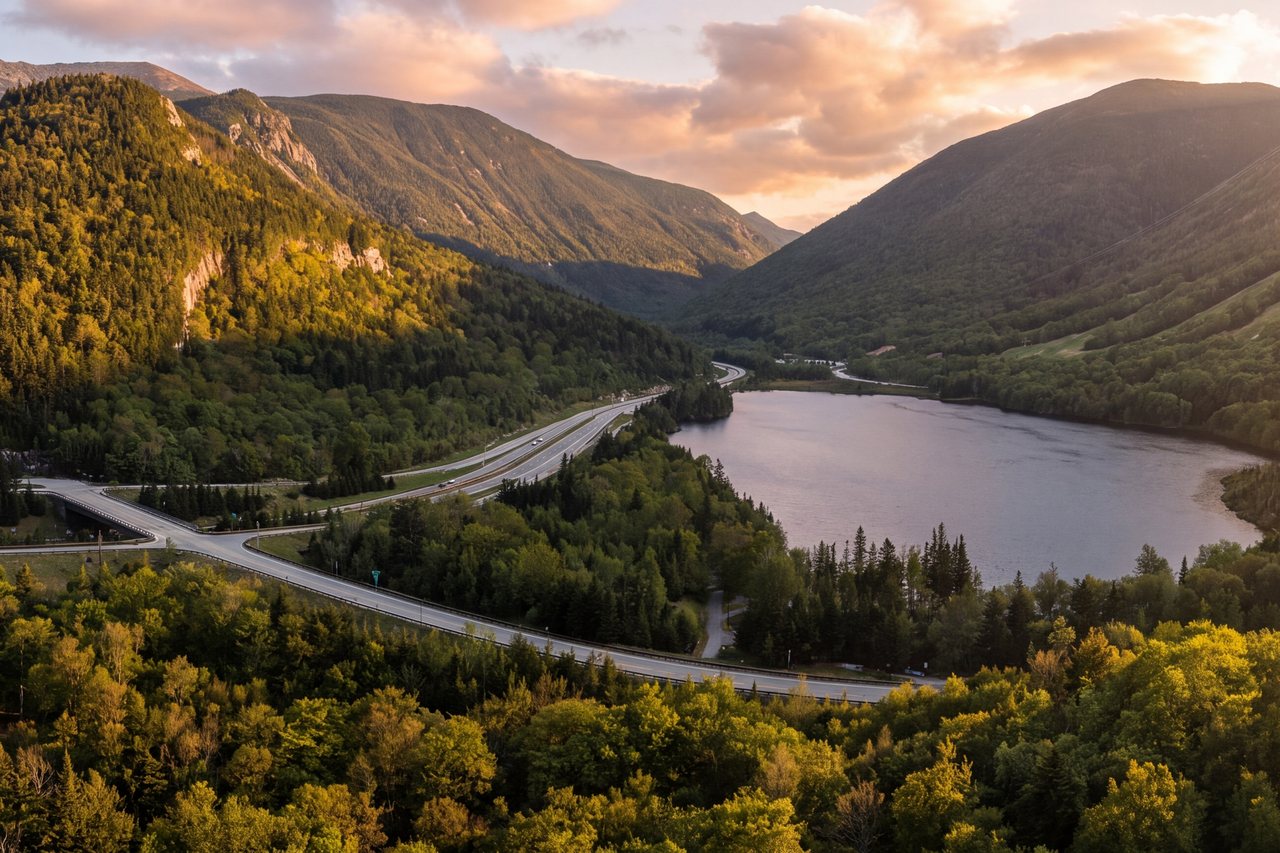
Franconia Notch State Park is about 10 min north of the lodge, and mud season is a lovely time to drive it, with the ranges still snow-streaked up high and the whole place empty. A few things are worth knowing before you go, because the park runs on a seasonal calendar and a couple of its famous features are not what a first-timer expects.
The Flume Gorge, the two-mile boardwalk loop that threads an 800-foot granite chasm, is about 12 min from us and it is one of the great walks in the park when the water is high. It runs on a seasonal, timed-entry system: the visitor center and the boardwalk open in early May, around the eighth this year, and reservations for a specific arrival window are the way in, since walk-up spots are not guaranteed. That timing matters for a mud-season trip. If you come in late April, the Flume boardwalk is not open yet, and you should plan around the Basin and the town-level walks instead. Come the second week of May, the Flume is open, the crowds are still thin, and the gorge is running hard.
Two landmarks up here trip people up, so it is worth being plain about them. The Old Man of the Mountain, the stone profile that was the state symbol, fell off the cliff on May 3, 2003. It is gone. There is a memorial plaza at Profile Lake with steel viewfinders that line the old profile back up against the bare rock, and it is a good short stop, but do not drive up expecting a face on the mountain. And the Cannon Mountain aerial tramway is closed. It made its last run at the end of October 2025 and is being fully replaced. No reopening date has been announced. The Cannon ski area itself still operates in winter; it is only the tram that is out. None of this is a reason to skip the Notch. It is a reason to come for the water, the quiet, and the drive rather than for a ride you cannot take right now.
Before the black flies arrive
This is the argument that wins over the people who have spent a June up here. The black flies have not hatched yet. New Hampshire's black flies come out in force around Mother's Day and become a serious nuisance in the woods from late May through much of June, worst at dawn and dusk and worst near moving water, which in the Whites is everywhere. They are the reason a lot of locals guard their early-summer hikes carefully and slather on repellent to do it.
Late April and the first week or two of May land in the clear window before all that starts. You can walk to a waterfall, stand by the river, and eat on a patio without a cloud of bugs finding your ears. For anyone who has been driven off a beautiful June trail by black flies, that alone is worth planning a trip around. Our note on black fly season in the White Mountains lays out the timing in more detail, but the short version is that the earlier end of mud season is one of the only stretches all spring and summer with both thin crowds and no bugs.
The weather, again, is the thing to weigh. You are trading the bugs for the chance of a cold, wet day, and some visitors will happily make that trade while others would rather wait for warmth and put up with the flies. We are only pointing out that the quiet, bug-free weeks exist, that they are short, and that most people never think to use them.
The town in the quiet season
Lincoln and North Woodstock run on a rhythm of busy seasons and slow ones, and mud season is the slowest of the slow. The ski crowds have gone home, the summer families are still months off, and for a few weeks the towns belong to the people who live here and the handful of visitors who know to come. That means a table whenever you want one, an unhurried pace at the counter, and locals who have the time to actually talk to you.
It also means checking before you go, because some seasonal spots close down between the ski season and summer for a few weeks of rest and maintenance. Enough stays open year-round to eat and drink well. In Lincoln, Basecamp Brewing, the taproom and kitchen that operated for years as One Love Brewery before rebranding in 2025, pours its own beer at the base of Loon. A couple of minutes away in North Woodstock, the Woodstock Inn Station & Brewery, just off Interstate 93 at Exit 32, has a lively pub side and a quieter dining room and brews on site year-round. Both are dependable in the shoulder weeks when smaller places are dark, and between the two of them you can count on a good beer and a hot meal even in the deadest stretch of April, which is not something every spot on the strip can promise this time of year.
The quiet has a texture to it that is hard to describe until you are in it. The main strip through town, packed and slow-rolling on a July evening, is calm enough to hear the river. Shops that have you waiting in line in October have time to chat in May. For a certain kind of traveler, that emptiness is the whole draw, and it is the thing our returning mud-season guests come back for as much as the waterfalls.
What to pack for a mud season weekend
Mud season rewards people who dress for it and punishes people who pack for the summer they were hoping for. The single most important item is footwear you do not mind ruining. Waterproof boots with real tread will keep your feet dry and let you walk straight through the mud the way you are supposed to, instead of tiptoeing around it and wrecking the trail. Gaiters keep the muck and grit out of the top of your boots, and trekking poles earn their place on wet, slick rock and swollen stream crossings. Leave the trail runners and the white sneakers at home.
Layers are the other half of it, because the temperature swings are wide this time of year. A May afternoon can feel like early summer in the sun and drop back toward freezing the moment the light goes, and up on any elevation it is colder and windier than in town. Pack as if you are dressing for two seasons in one day: a warm insulating layer, a fully waterproof shell, a hat and gloves you would not think twice about in April, and more warmth than the forecast seems to call for. The evenings still have winter in them, and a raw drizzle at 40 degrees pulls the heat out of you faster than a dry cold does.
Round it out with the practical bits: a dry change of socks and shoes to leave in the car for after the muddy walk, a small pack towel, and rain protection for whatever you are carrying. Our full checklist for a White Mountains weekend runs through the layers in detail, and most of it applies double in the melt. Pack for mud and cold, hope for sun, and you will be comfortable either way.
A slow weekend at the lodge
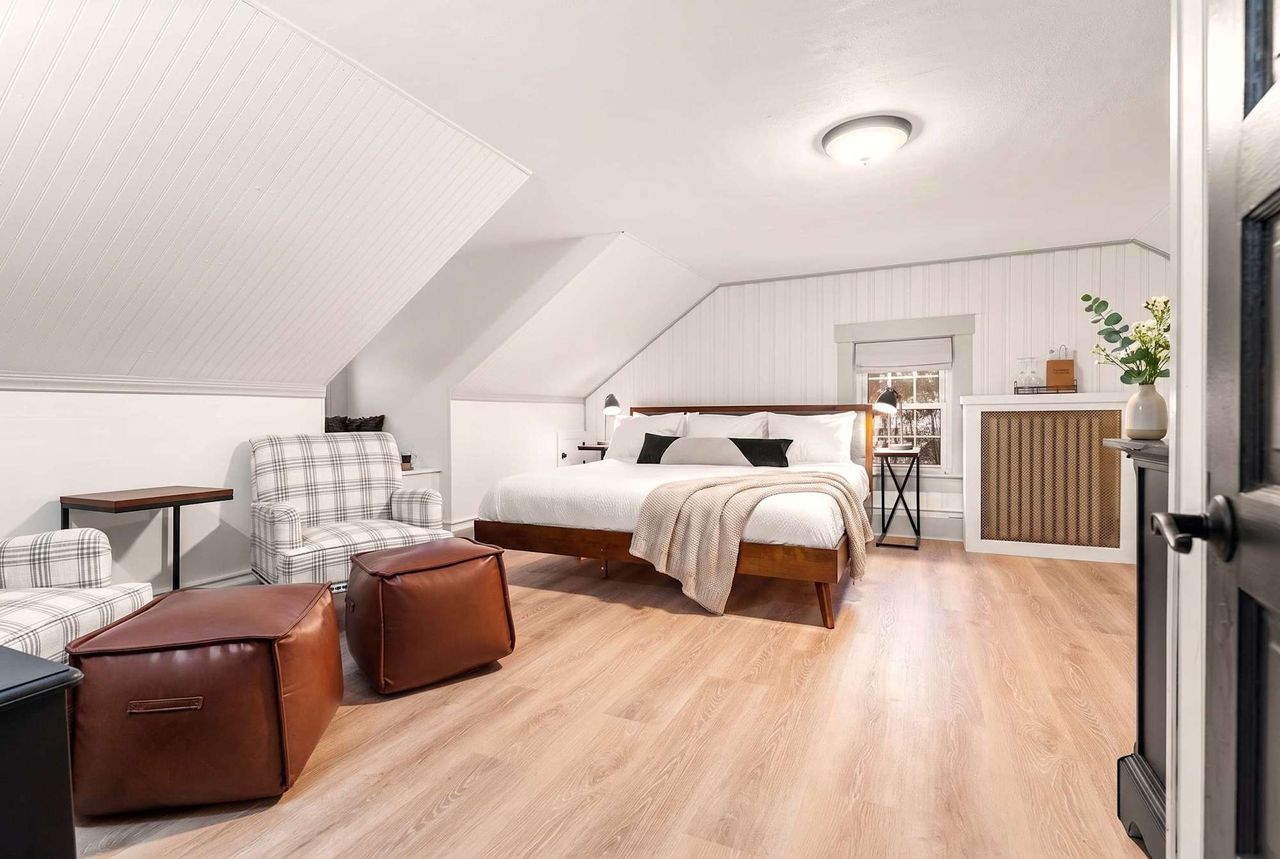
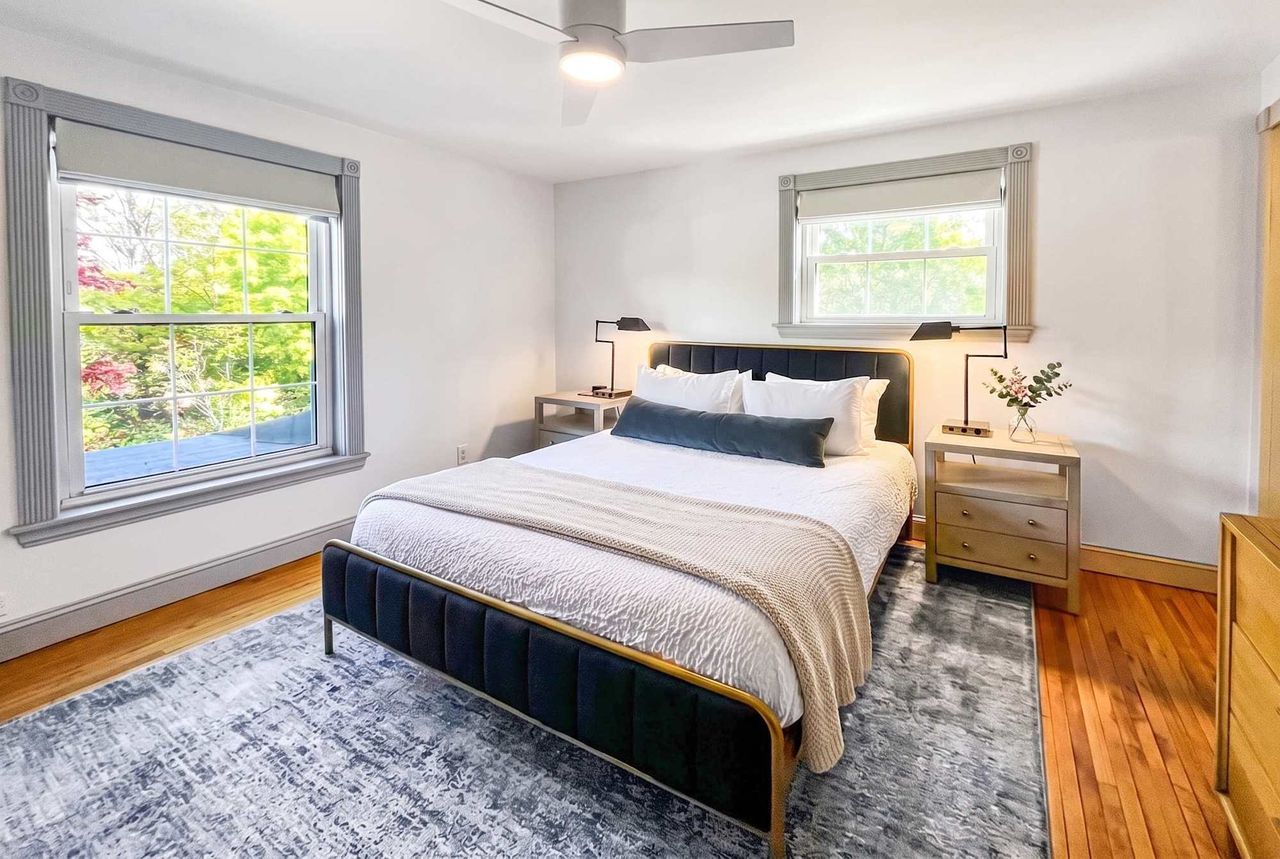
The lodge itself is built for exactly the kind of unhurried weekend mud season invites. We are an adults-only inn, six suites in a restored 1902 colonial in the middle of Lincoln, with keyless self check-in so you let yourself in on your own schedule, and five of the six suites TV-free by design. In the quiet weeks, with the town emptied out and the days still short on warmth, the house settles into a pace that suits a book by the window and a slow morning coffee far more than a packed itinerary.
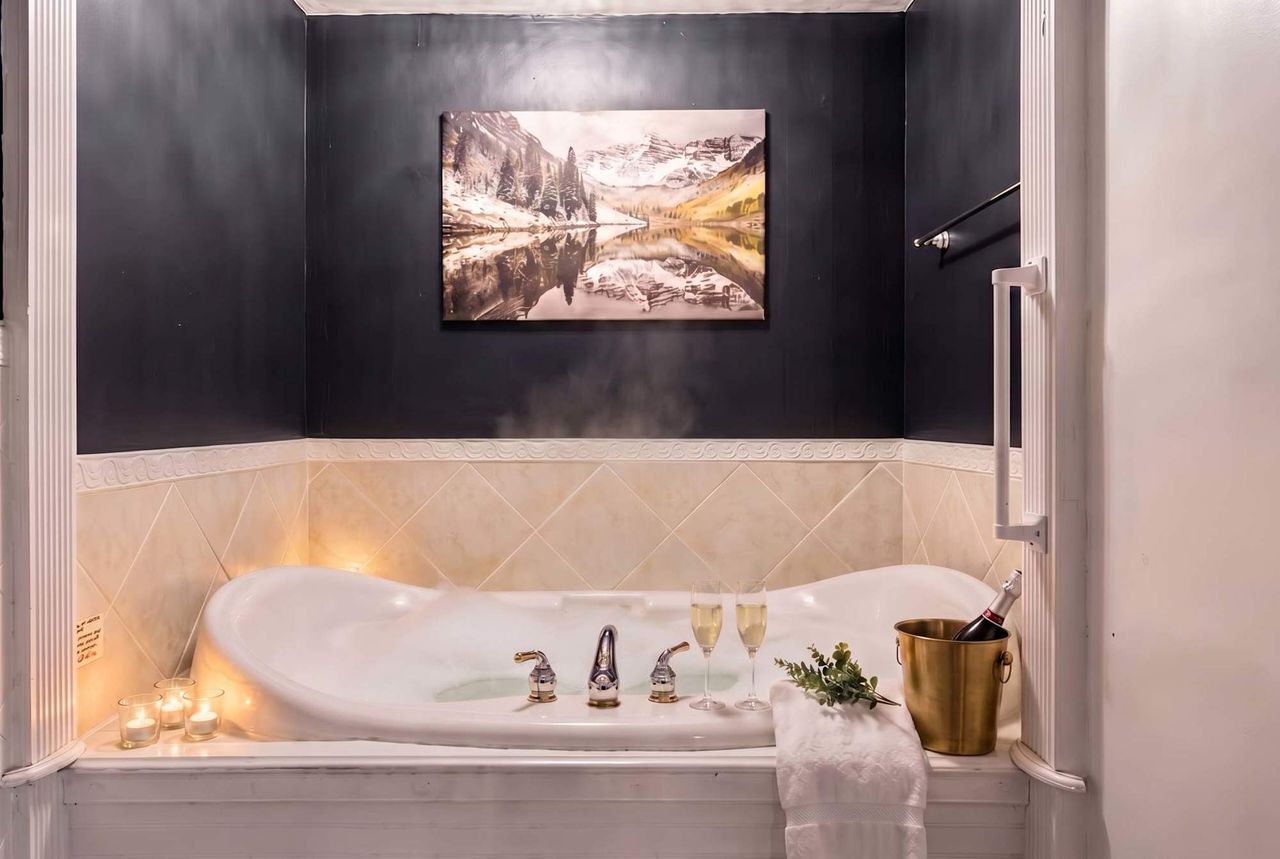
Mud season is the season to make use of a long, hot soak. After a cold, wet walk to a roaring waterfall, the Basin suite and its two-person jetted tub is about the best way we know to end a raw spring afternoon. The coffee lounge is ready for a slow start, the house stays calm and quiet with only adults around, and with a virtual innkeeper a message away, the pace is entirely yours. A weekend here in the melt tends to look like one loud waterfall, one long soak, a good dinner in a quiet town, and an early, dark evening with nothing pulling at you.
If any of that sounds like the weekend you want, mud season is the quietest, lowest-demand stretch of the whole year, and the best rate is always the one you get by booking with us directly. The window is short and the weather is a gamble, but the mountains are as close to empty as they ever get, the water is as loud as it ever gets, and the bugs are still weeks away. When you are ready to pick a weekend, you can check dates and book direct, and reach out with any questions about what will be open and running the weekend you have in mind. We are happy to tell you whether the melt is early or late this year.
— Launchpoint Lodge, From the lodge