First-time visitors tend to book a room before they have worked out where anything is, and the White Mountains punish that more than most regions. The range sits in the middle and the towns sit around the edge, so the base you choose quietly decides how much of your trip happens through a windshield. 40 min in the wrong direction, twice a day, adds up fast over a long weekend. We run six suites on the western side, in Lincoln, so we have a horse in this race and we will not pretend otherwise. But we would rather you booked the right base and had a better trip, so this is our plain read on all three, including the days when ours is not the one to pick.
The three bases and how they connect
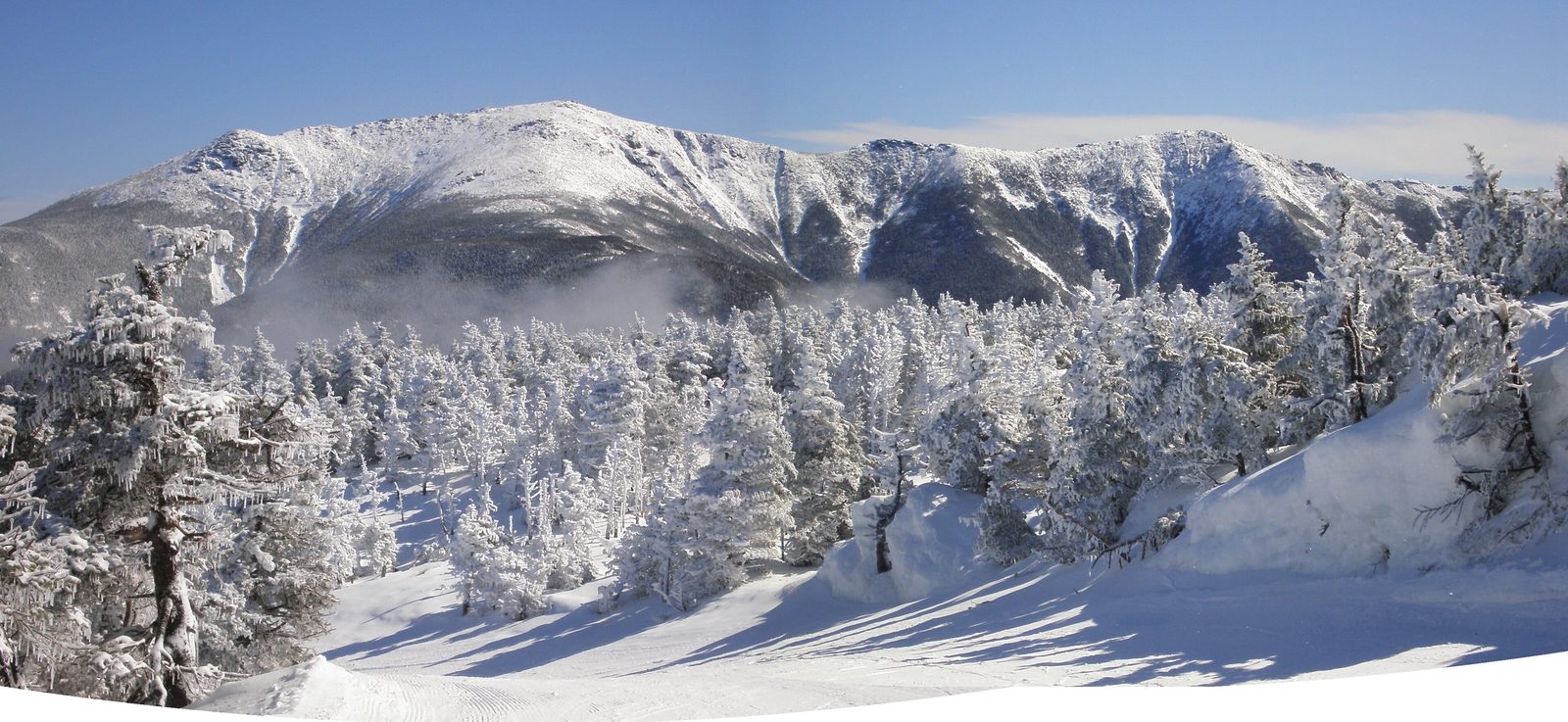
Almost everyone ends up choosing between the western side, the eastern side, or the northern edge. The western side is Lincoln and North Woodstock, at the foot of Franconia Notch. The eastern side is North Conway and the wider Mount Washington Valley. The northern edge is Bretton Woods, Twin Mountain and the town of Franconia, spread along the top of the range near Crawford Notch. All three sit inside or against the White Mountain National Forest, and all three are good. They are simply good at different things.
They are connected to each other, just not quickly. The Kancamagus Highway links the western and eastern sides directly, and it is 34 miles of two-lane road over a mountain pass, about 45 min end to end if you never stop, which you will. Getting from the western side to the northern edge means looping up through the Notch on I-93 and over on Route 302. None of these hops is long by the standards of a big national park, but they are long enough that crossing the range twice a day, every day, turns a relaxed weekend into a driving trip. The point of choosing well is to spend your time in the mountains rather than between them.
Lincoln and North Woodstock
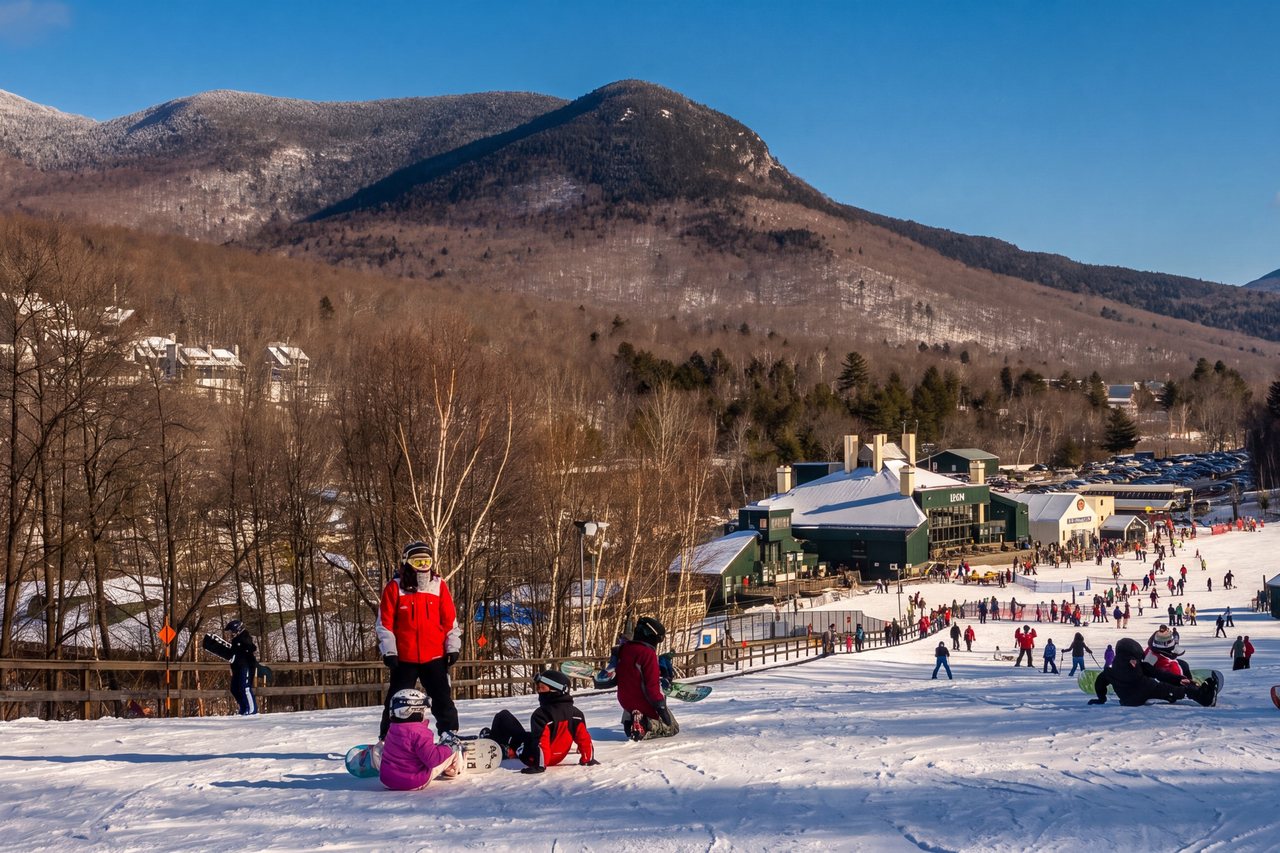
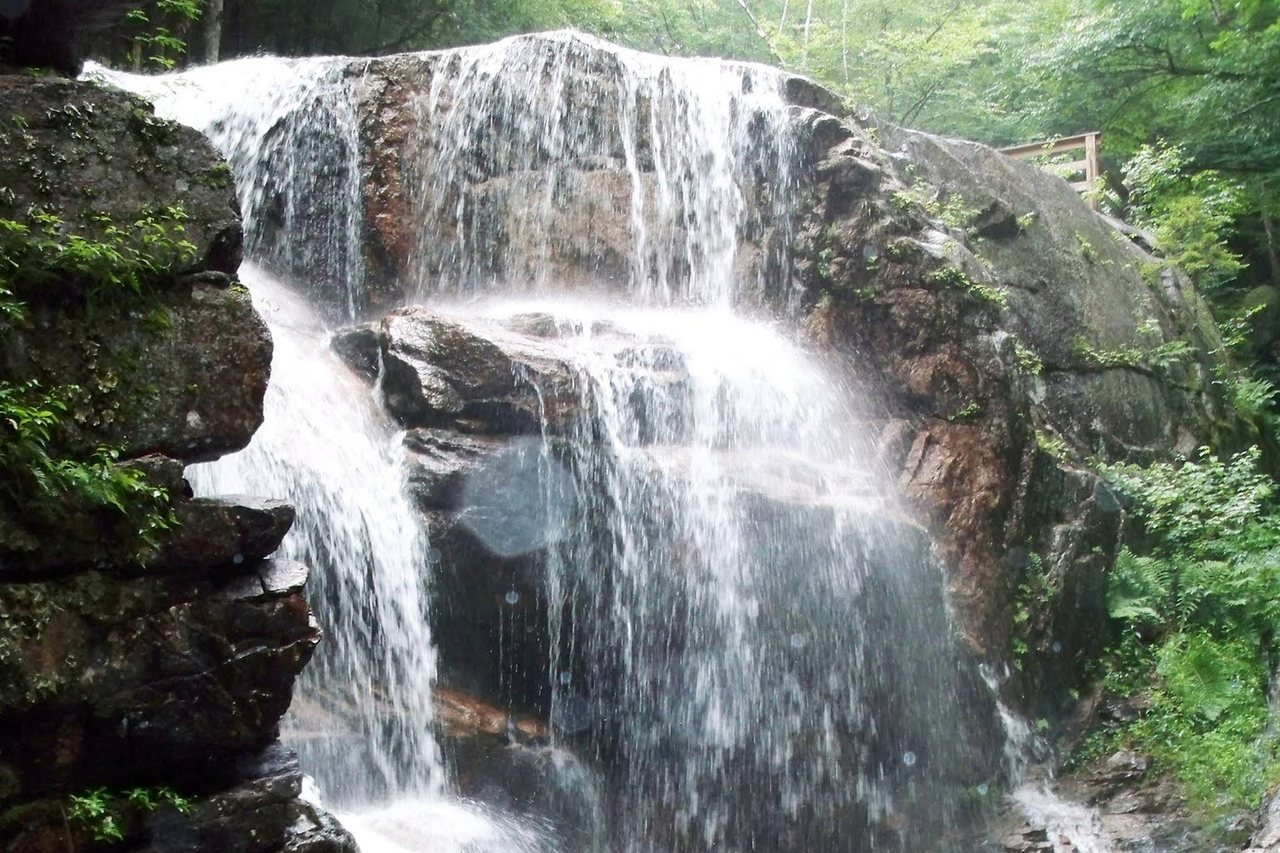
Lincoln sits at Exit 32 off I-93, at the western end of the Kancamagus, and the geography is the whole argument for basing here. Franconia Notch State Park starts about 10 min north, which puts the Basin, Echo Lake, the Old Man site, and the Artist Bluff and Lonesome Lake trailheads all within a short drive. Flume Gorge, a two-mile boardwalk loop through an 800-foot granite gorge, is about 12 min up the road; it runs on timed entry through the warm season, so reserve a window online before you go rather than turning up and hoping. Loon Mountain is about 6 min east, in town. The Kancamagus itself starts at the traffic lights at the edge of the village. Very little else in the Whites is packed this tightly.
The Basin is the easiest example of how close things are here. It is a glacial pothole scoured out of granite, a 5 min walk from the parking lot, and it costs nothing to see. Artist Bluff, a short steep climb above Echo Lake, is about 40 min round trip and gives you the classic look down the Notch. For the serious end of the scale, the Franconia Ridge Loop leaves from the same corridor: 8.9 miles and about 3,900 feet of climbing, fully exposed above treeline, an all-day effort you attempt only in good weather. Loon also runs a scenic gondola in the warm months for a summit view without the climb, which makes the western base easy on mixed-ability groups.
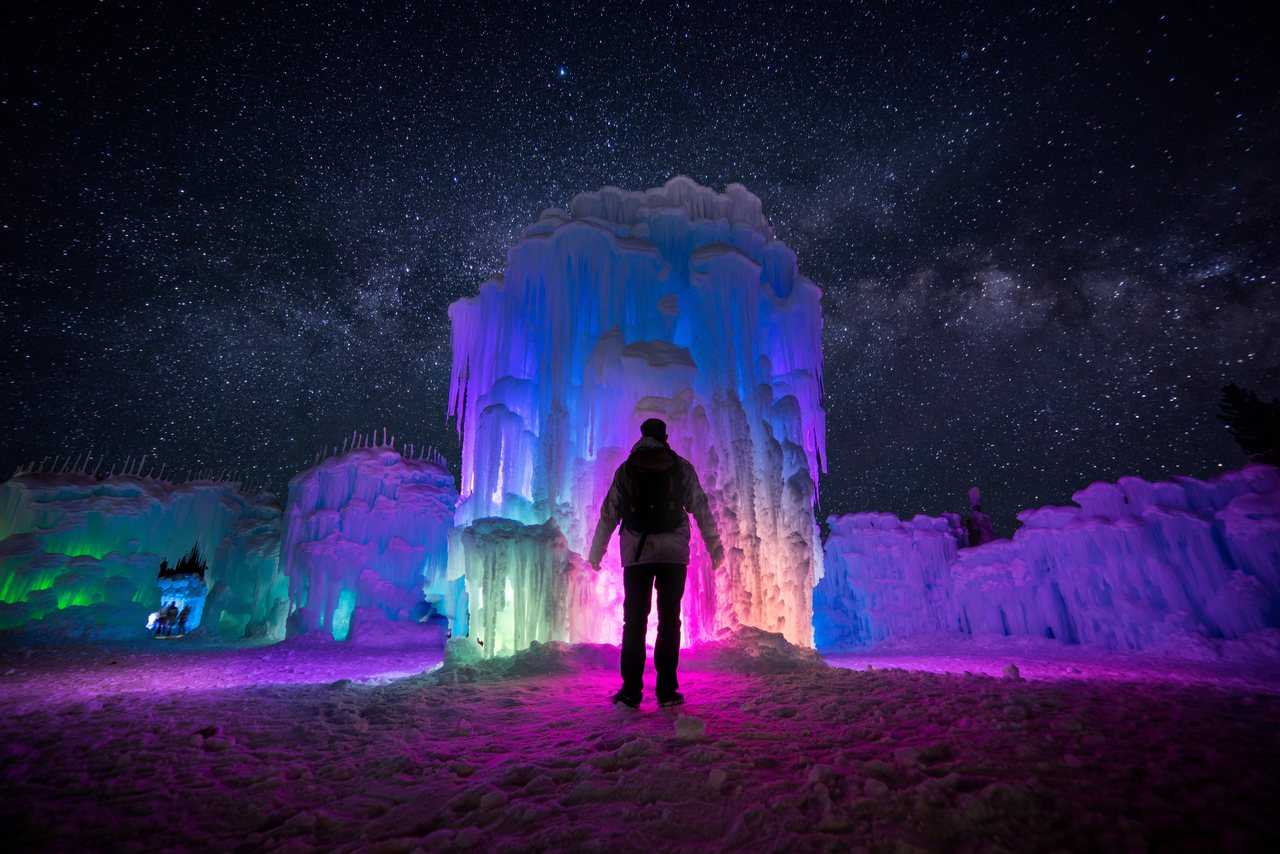
Lincoln and North Woodstock are year-round working towns rather than a resort strip. Coffee, provisioning and a decent spread of restaurants are all walkable across the two villages, so you are not driving out for dinner every night. Lincoln has Basecamp Brewing, the in-town brewery that spent close to a decade as One Love Brewery before rebranding in 2025. North Woodstock, two miles south, has the Woodstock Inn Station & Brewery on its main street, and it is where the Ice Castles set up each winter, a short drive from the inn. What you give up by basing here is Mount Washington, which is on the far side of the range, and the big shopping strip, which is over in North Conway. Most of our guests count both as features.
North Conway and the Mount Washington Valley
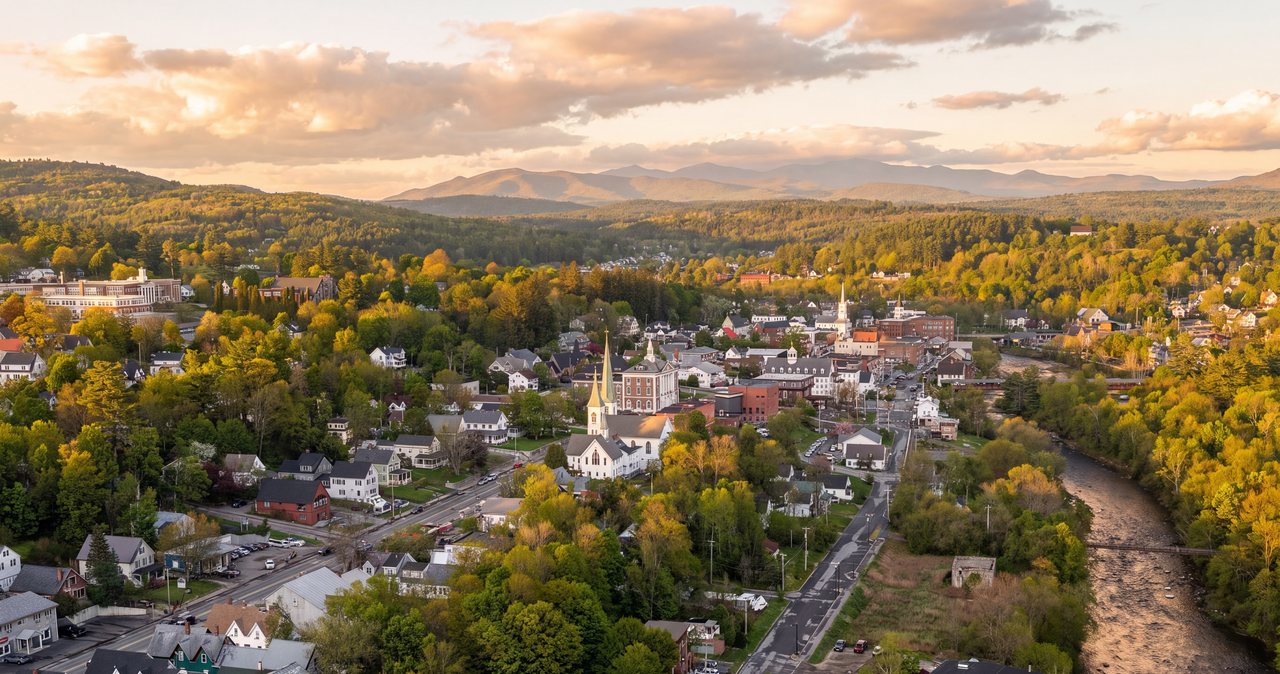
The eastern base is bigger, busier and better supplied than anywhere else in the region. North Conway has the widest choice of restaurants, the outlet shopping at Settlers Green, and the family attractions, including Story Land just up the road in Glen. New Hampshire has no sales tax, which is a large part of why the outlets pull the crowds they do. If shopping is part of your trip, the east is the only base that delivers it.
The east also has the shortest access to Route 16 and the Mount Washington Valley, which means the Mount Washington Auto Road, Pinkham Notch, and the Presidential Range trailheads. The Auto Road generally runs from mid-May into late October, with limited daily hours that pull in toward the shoulders of the season, so check the day's schedule before you build a morning around it. If standing on the summit of Mount Washington is the reason for your trip, base east and save yourself the drive. You can still reach the mountain comfortably from our side, and we wrote a whole piece on Mount Washington from Lincoln, but it is a longer day from the west than from the east.
The eastern draws go beyond outlets and summits. Diana's Baths, a chain of easy waterfalls near Bartlett, and the cliffs at Cathedral Ledge above Echo Lake State Park are both short, rewarding stops on that side, and the valley has the deepest bench of restaurants in the region for a rainy evening. If your group is mixed, with some who want to hike and some who want to browse and eat, North Conway absorbs that better than anywhere else.
The cost of the eastern base is traffic. Route 16 through North Conway on a foliage Saturday is the one reliably frustrating drive in the White Mountains, a slow crawl past the outlets that can undo the time you saved by being close to the trailheads. It is worst in late September and early October, and worst again on holiday weekends. If you base east in peak foliage, plan to be moving early and off the road by mid-afternoon, or plan to sit in it.
Bretton Woods and the northern towns
The northern edge is the quiet one, and for some trips that is the entire appeal. Bretton Woods, Twin Mountain and Franconia sit along the top of the range, with Crawford Notch, the grand Omni Mount Washington Resort, and the Mount Washington Cog Railway all close at hand. The Cog climbs the mountain from Marshfield Base Station, about six miles east of Route 302 near Bretton Woods, with steam trains running Thursday through Sunday in the summer season and biodiesel trains filling in the rest of the calendar. It is the western approach to Mount Washington, and it is one of the classic railway rides in the Northeast.
Crawford Notch itself is the northern hiking hub, with short classics like the cliff-top view from Mount Willard and the tall drop of Arethusa Falls, and the AMC's Highland Center sits right at the height of the notch for trail information and a warm lunch. It is a different feel from the western trailheads: fewer crowds, longer approaches, and a sense that you have the forest more to yourself.
Winter is where the northern edge makes its strongest case. Bretton Woods is a major downhill resort, and its Nordic Center maintains an extensive network of groomed cross-country trails across the valley and the surrounding forest. If quiet snow travel is your priority, this is the base for it; our guide to cross-country skiing and snowshoeing trails covers the options on our side too, but the north is the heavyweight for groomed cross-country miles.
What the northern edge lacks is convenience. It is the thinnest of the three on restaurants and casual dining, and it is the furthest from an interstate exit, so more of your holiday tends to happen inside whichever resort you booked. That suits a spa-and-snow weekend or an anniversary at the grand hotel exactly, and it strands a family that wants to bounce among ten trailheads and dinners. Know which kind of trip you are planning before you commit to the top of the range.
Getting here from Boston and points south
Most of our guests drive up I-93, and the western side has a real arrival advantage: you stay on the interstate the entire way instead of crossing the range at the end of a long day. From Boston it is roughly 130 miles and about two to two and a quarter hours, straight up I-93 to Exit 32, with a single toll at Hooksett of about two dollars. Providence, Hartford and New York all feed onto the same corridor, so the drive from the southern New England hubs lands you in Lincoln without a mountain crossing at the finish.
Basing east changes the last hour. To reach North Conway you either come up I-93 and cut across on Route 302 and Route 16, or you leave the interstate earlier and work over on smaller roads, and either way the final stretch is slower than a straight interstate run. The drive is not hard, but after four or five hours in the car the last slow leg is the difference between arriving relaxed and arriving worn out. For the full breakdown of routes and timings, our guide to getting here to Lincoln lays out the approaches from each direction.
If you are flying, Manchester and Boston are the usual airports, and both put you on I-93 north. The northern edge is the longest transfer of the three from any southern airport, which is worth weighing if your trip is short and the drive is eating into it.
Crossing the range between bases
You do not have to pick one side and stay pinned to it. All three bases are close enough that you can visit the others as day trips, as long as you respect what the crossings actually cost. The Kancamagus Highway is the direct link between the western and eastern sides, and it earns a few warnings. It runs 34 miles with no gas, no food, no services and no towns for its entire length, it tops out at a height of land around 2,855 feet, and cell signal is essentially gone the whole way. Fill the tank first, and do not count on your phone to navigate once you are on it.
From Lincoln to Bretton Woods you loop north instead, up I-93 to Exit 35 and over on Route 3 and Route 302, roughly 28 to 30 miles and about 35 to 40 min. From Lincoln to North Conway, the Kancamagus is the scenic route at about 50 min without stops, and Route 302 through Crawford Notch is the longer, gentler alternative in bad weather. The Kanc stays open through winter but is not a road to trifle with in a storm; when the weather turns, the longer paved route around is the safer call.
One planning note for hikers crossing between sides: a White Mountain National Forest recreation pass runs about five dollars a day or thirty dollars for the year, and you will want it for most of the trailhead lots on either side. Buy the annual pass if you are here for more than a few days of hiking; it pays for itself quickly. That pass covers the national forest trailhead lots rather than the state-run attractions, which set their own terms: Flume Gorge charges a timed-entry admission and sells out on busy weekends, while the Basin, just off the parkway, costs nothing to visit. It is worth sorting out which of your planned stops need a forest pass, which need a separate ticket, and which are free before you set off, so a morning does not stall at a trailhead over a five-dollar pass you could have bought the night before.
Choosing a base by season
Season shifts the math more than people expect. In winter, the downhill skiers split between Loon in Lincoln, Cannon in Franconia Notch, and the bigger terrain at Bretton Woods, while cross-country skiers lean north to the Nordic network. Cannon is worth a note here: the ski area runs normally, but its aerial tramway has been closed since late October 2025 for a full replacement and no reopening date has been announced, so do not plan a winter tram ride up for the view. If you are weighing the local mountains against each other, our comparison of Loon, Cannon and Waterville breaks down who each one suits.
Winter is also when the western side picks up the Ice Castles, the walk-through ice attraction that returns to North Woodstock each year, a short drive from us. For a snow weekend with a mix of downhill, a walkable town and an evening out, the west holds up well; for deep cross-country mileage and a grand-hotel base, the north wins.
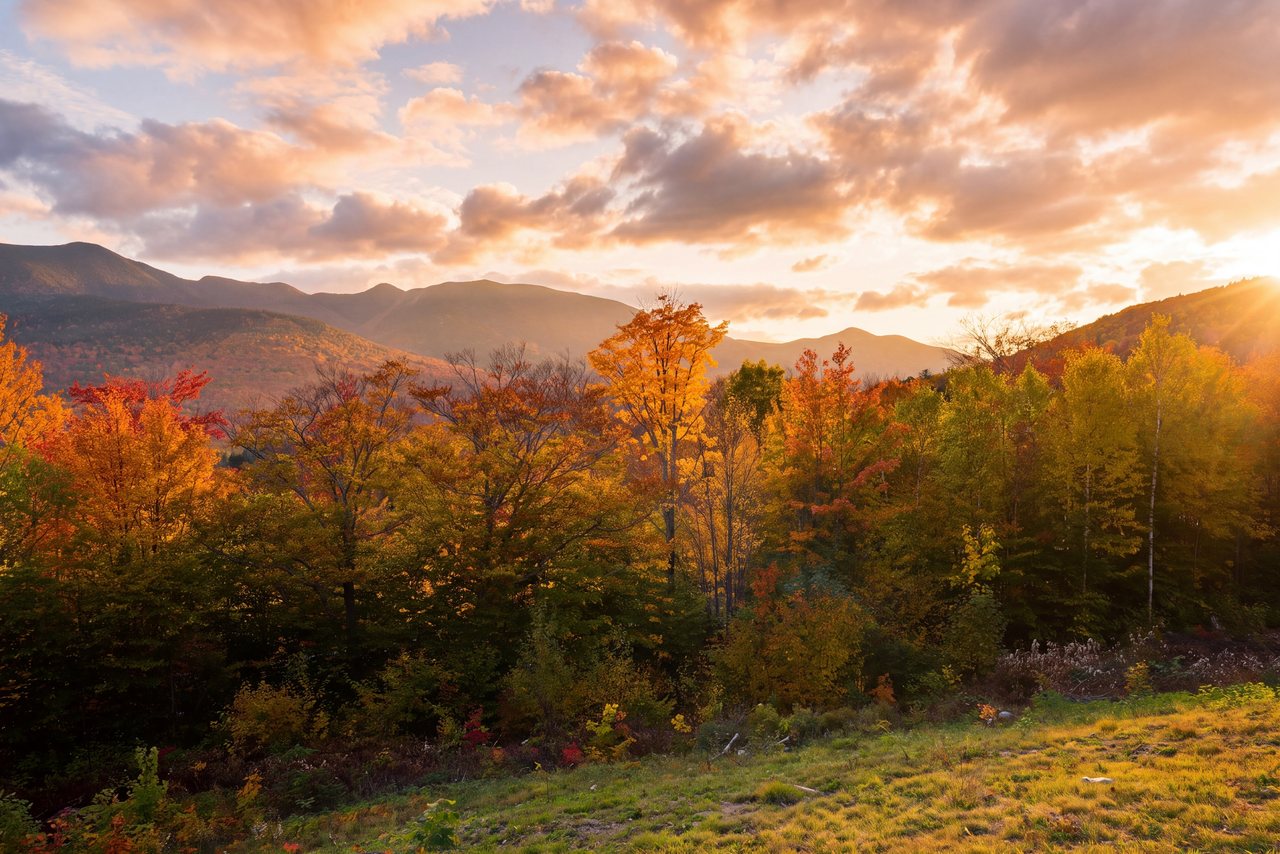
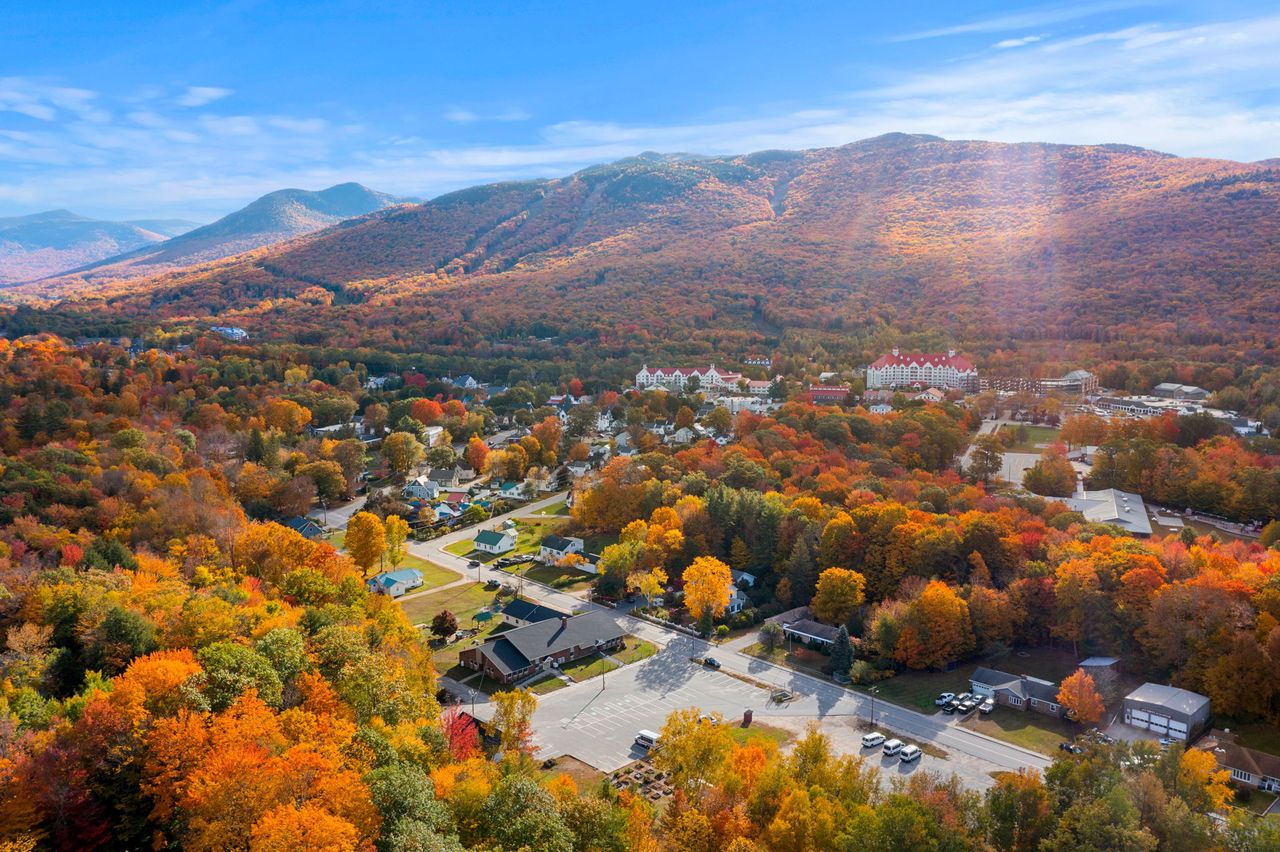
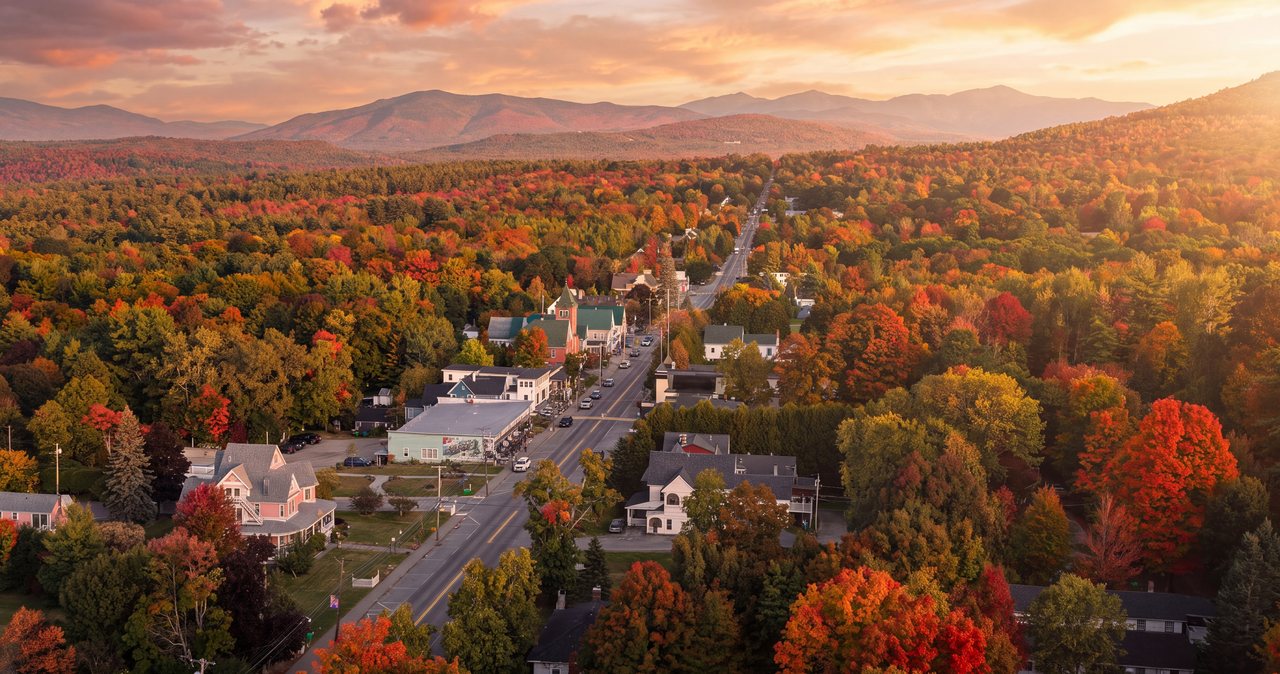
In foliage season, all three bases are beautiful and all three get busy, but the traffic pattern favors the west for one specific reason: you reach the Kancamagus from the Lincoln end without first crawling through the North Conway outlet strip. Color in the higher Whites usually peaks from late September into mid-October, earlier up on the ridges and later down in the valleys, so a base that lets you move between elevations quickly stretches the good weeks. In summer, the gorges, the Auto Road and the Cog are the headline acts, and any base works; pick on arrival convenience and what you want out the door each morning. Spring is mud season, quiet and underrated, with the fewest crowds of the year and the trails at their messiest.
Choosing a base by what you plan to do
Strip away the atmosphere and the choice usually comes down to a single question: what do you actually want to be doing each morning? Here is how the three bases sort out against the common reasons people come.
- Franconia Notch, the waterfalls and gorges, the Kancamagus, and skiing at Loon or Cannon: base west, in Lincoln. Everything is within a short drive and you reach the Kanc first.
- Mount Washington, the Auto Road, the Presidential Range and outlet shopping: base east, in North Conway. You are closest to Route 16 and the valley trailheads, and the tax-free outlets are on your doorstep.
- Cross-country skiing, the Cog Railway, Crawford Notch, and quiet above everything: base north, at Bretton Woods. The groomed Nordic network and the grand hotel are the draw.
- A short drive up from Boston, New York or Hartford for two or three nights: base west. The interstate runs almost to the door and you spend less of a short trip in the car.
Hikers should add two current caveats to that list. The Franconia Ridge Loop, the signature above-treeline route, leaves from the western corridor and is a serious 8.9-mile, 3,900-foot day you attempt only in settled weather. And the Lincoln Woods Trail, the flat and popular entry into the Pemigewasset Wilderness, is closed from June 15 into November 2026 for trail repairs, so plan an alternate if the Pemi was on your list this year.
One more expectation to reset while you plan: the Old Man of the Mountain, the stone profile that was the state symbol, fell from its cliff in May 2003 and is gone. The memorial plaza at Profile Lake is worth a stop, but no one is seeing a face on the mountain anymore.
How the length of your trip changes the answer
The shorter your visit, the more the base matters. On a two- or three-night trip, every hour in the car is a real fraction of the whole, and a poorly chosen base can quietly eat an afternoon a day in transit. For a short trip we almost always steer people west, because the arrival is simplest and the highest concentration of the classic sights sits within 15 min of the room. You can land, drop your bags, and be at a trailhead or a gorge before you have unpacked.
On a week-long trip the choice loosens considerably. Over seven days you will cross the range a few times no matter where you sleep, and the Kancamagus stops being a commute and becomes one of the drives you came for. If you have the time, you can base anywhere and see all of it; the differences that dominate a weekend flatten out over a week. Some guests even split a longer trip between two bases, a few nights west for the Notch and a few nights east for Mount Washington, and skip the daily crossing entirely.
The middle case, four or five nights, is where it pays to match the base to the center of gravity of your plan. Count up where you actually intend to spend your days, pick the side that holds the most of them, and accept that the outliers will cost you a drive. A little of this arithmetic before you book saves the trip that ends up half-lived from the front seat of a car.
Why we base in Lincoln
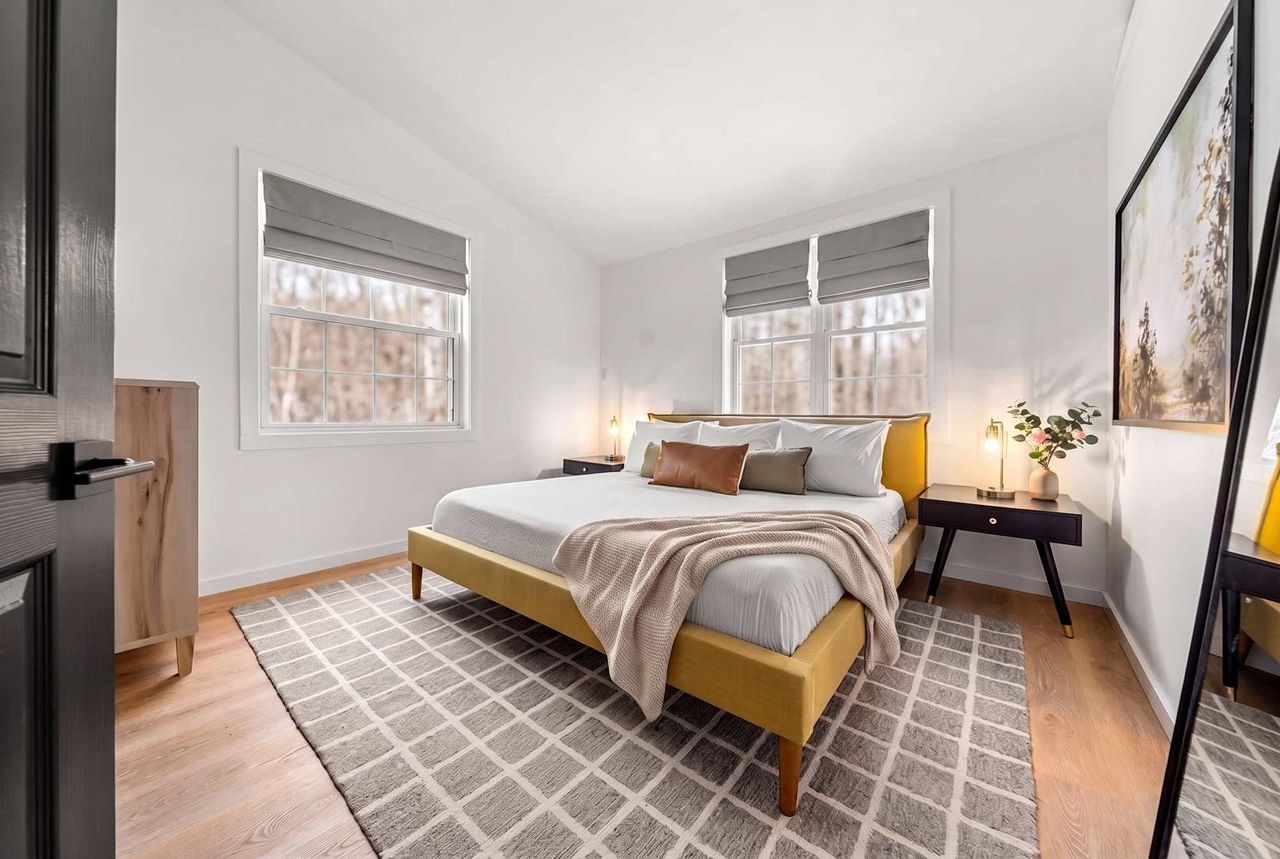
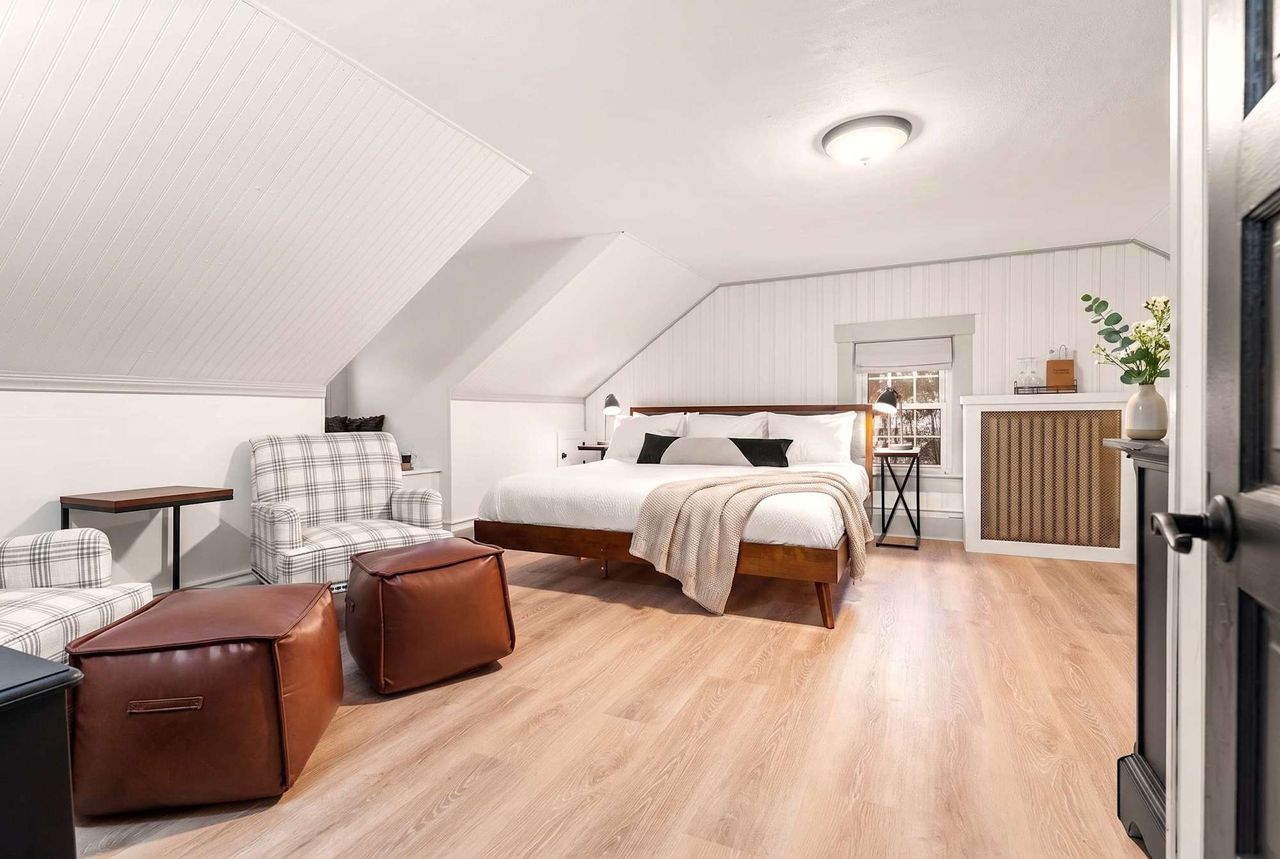
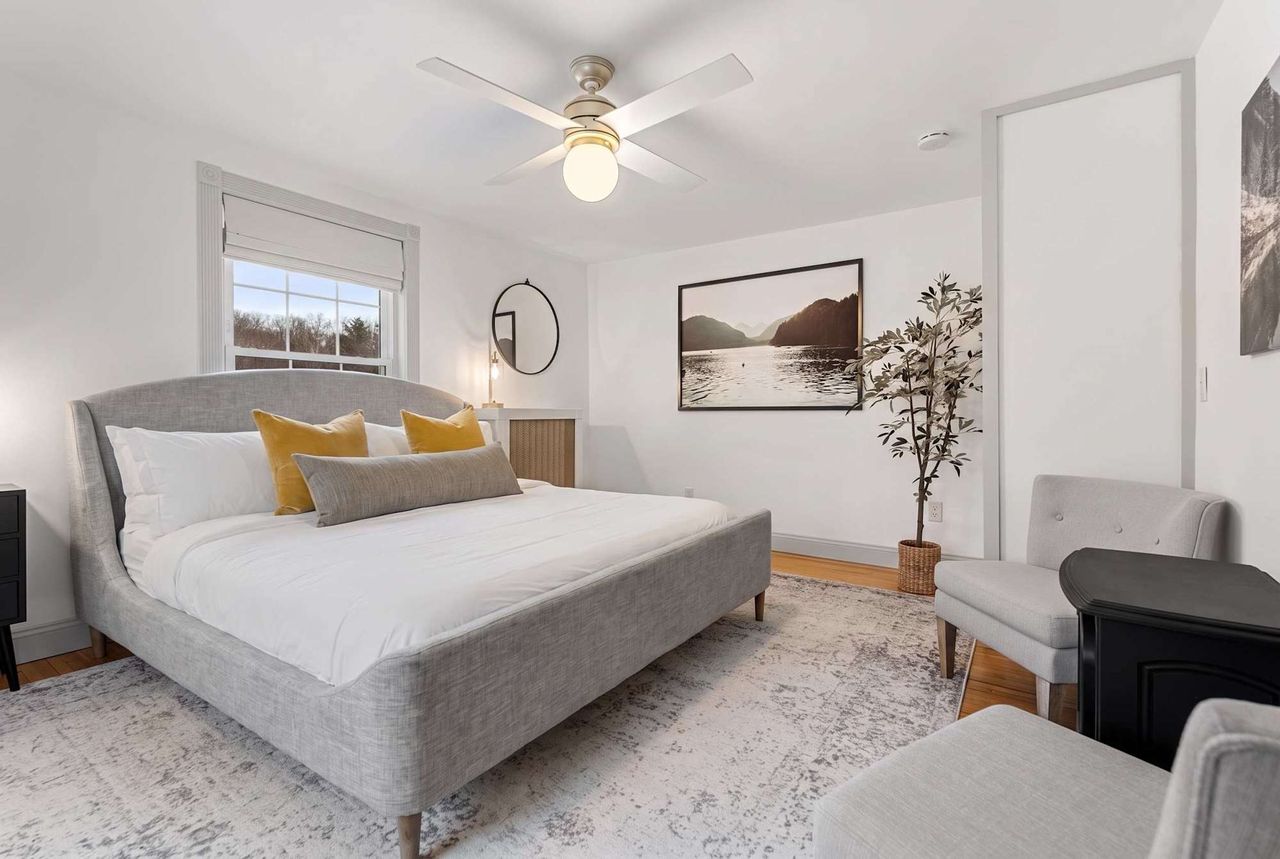
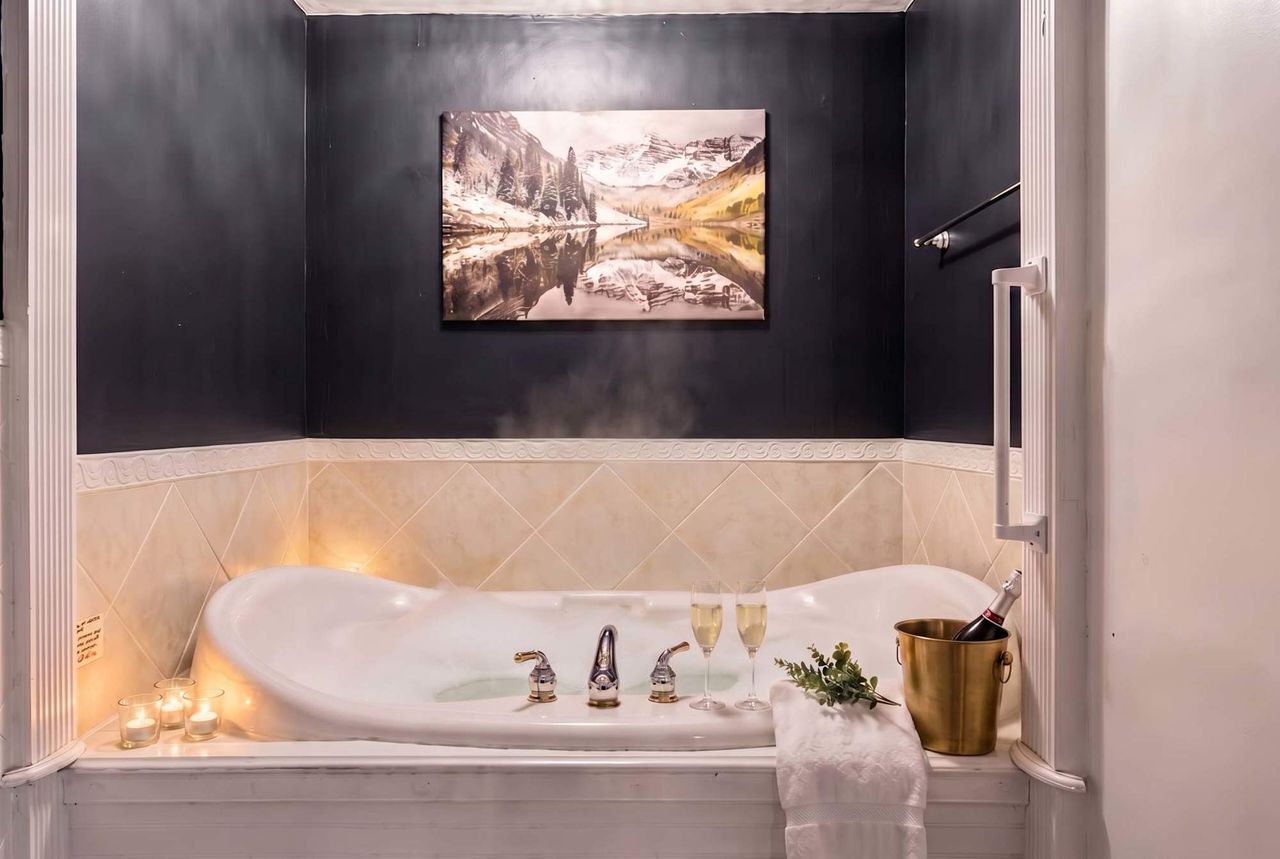
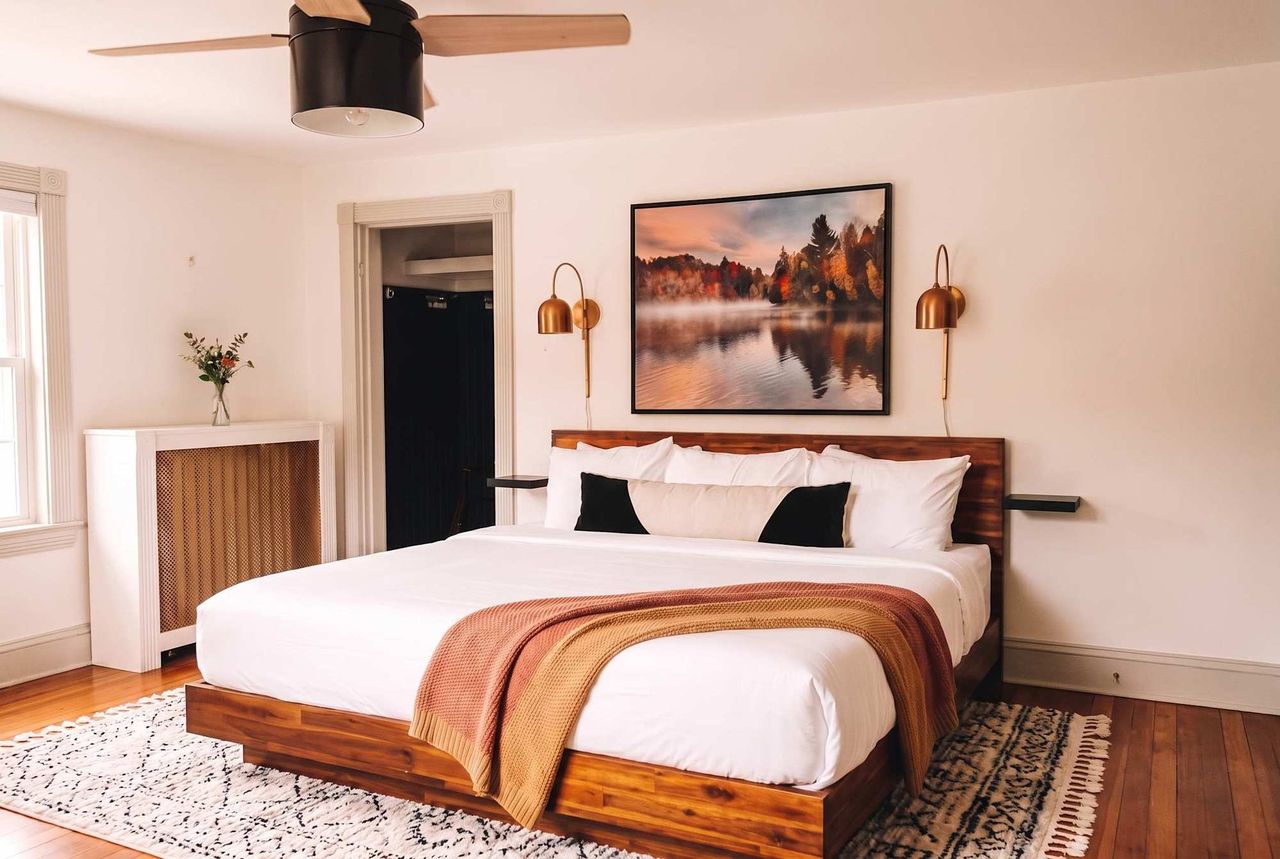
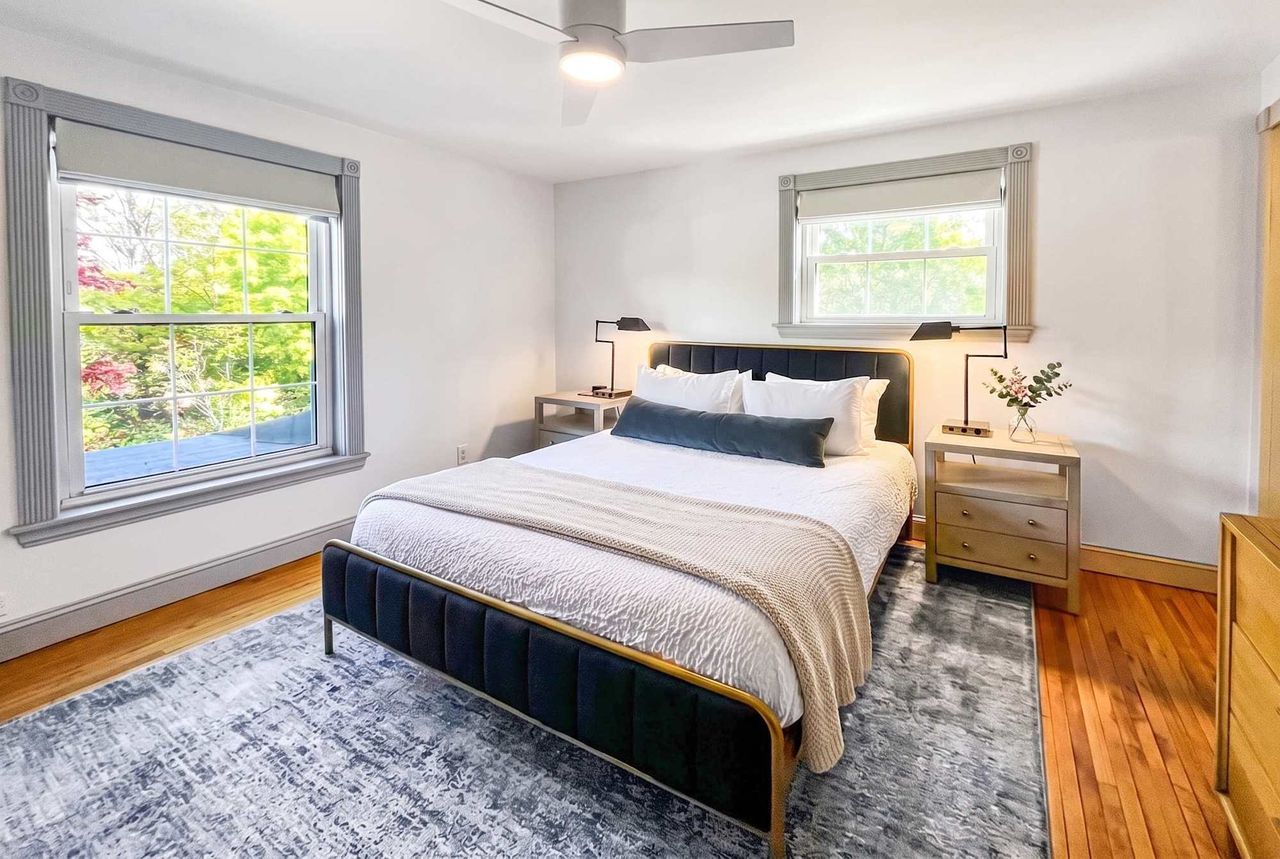
We run six suites in Lincoln, so of course we think the western side wins for most trips, and the reasons are the ones laid out above: simplest arrival from the south, the densest cluster of headline sights, a walkable town, and first crack at the Kancamagus. The lodge itself is a restored 1902 colonial with keyless self check-in, mostly TV-free suites by design, and an adults-only, six-suite quiet that suits the kind of trip the western base encourages. We book direct, and the best rate is always direct.
Book the geography that matches the plan, and the rest of the trip gets easier.
But the western side is not the right answer for every trip, and we would rather tell you so than win a booking you regret. If you are here to climb Mount Washington on a Tuesday and drive home Wednesday, stay in North Conway, sleep close to the mountain, and have a better trip than you would spending three hours a day in the car to be near us. If you want a spa-and-Nordic weekend at the grand hotel, base north. Pick the side that fits the plan, and if that side is ours, come and check dates with us. We will point you at the right trailhead once you are here.
— Launchpoint Lodge, From the lodge