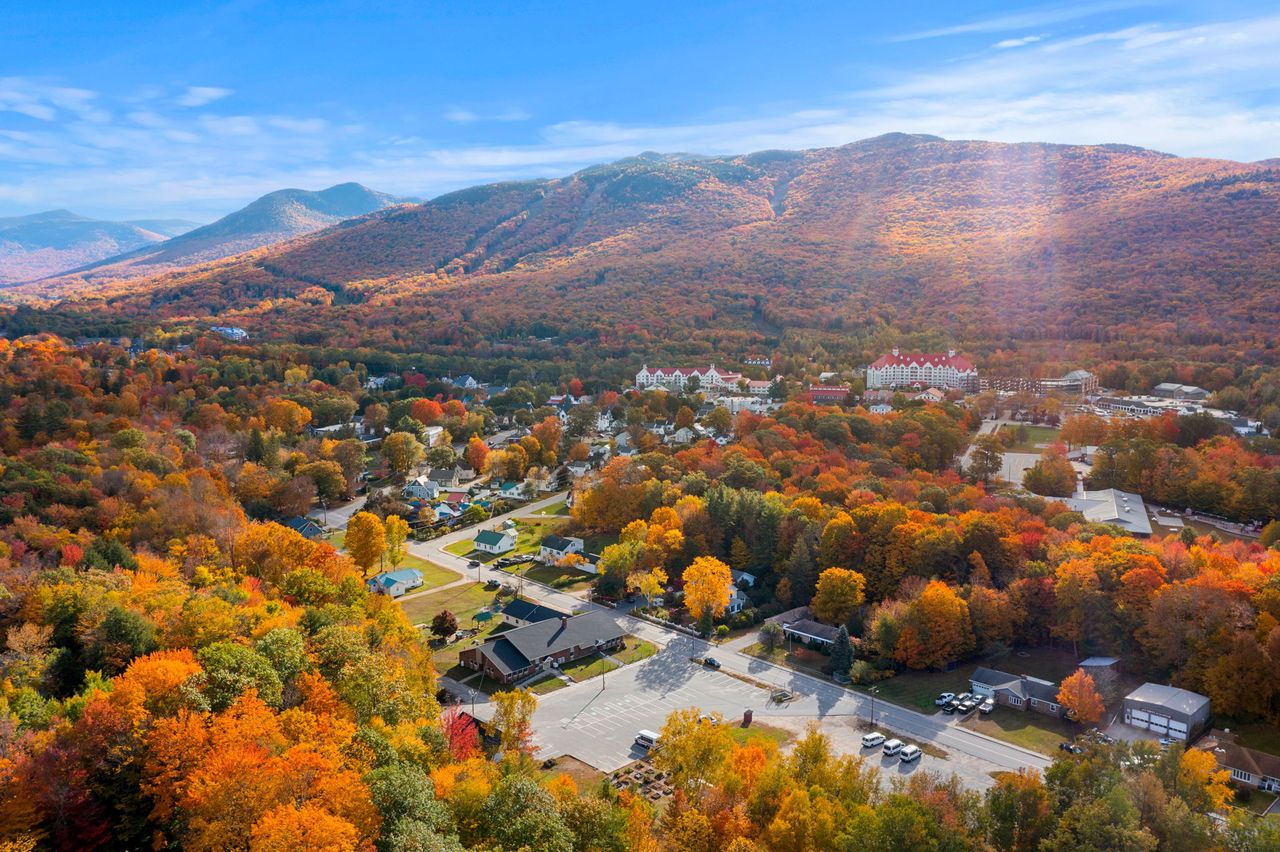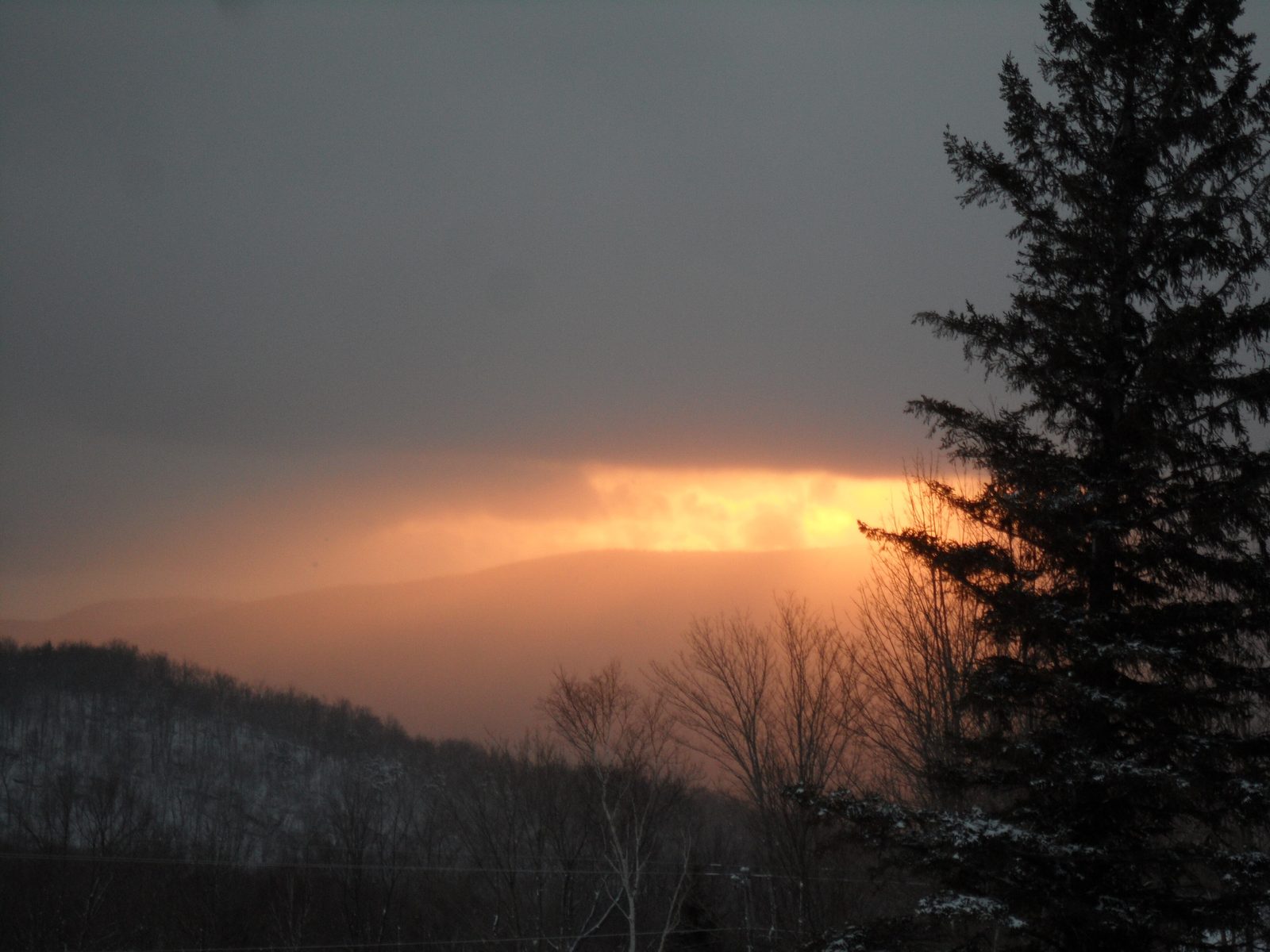
Lincoln is a small town in a national forest with no city within a hundred miles, and once you get a mile from Main Street's lights the sky is dark in a way most visitors have forgotten skies can be. The Kancamagus Highway has no lighting for thirty-four miles; the notch has none beyond the parkway's own; and the overlooks built for daytime views work just as well pointed up. On a clear moonless summer night the Milky Way is there.
This page is the practical version — where to go, when the sky cooperates, and the two safety notes (cold and moose) that matter more than any telescope tip. No dark-sky-park certification exists here and we will not pretend one does; this is just dark country.
Where to go
The Kancamagus overlooks — the CL Graham Wangan Ground and Hancock overlooks near the pass, 20 min from the lodge — are the best combination of big open sky, no lights, and a paved place to stand. Pull fully into the lot, switch off the headlights, and give your eyes 20 min. Lincoln Woods, 9 min away, has a big dark lot for a lower-effort version; the trail itself is closed from June 15 into November 2026, so stay by the lot.
In the notch, the Basin lot and Echo Lake's shore look up at a narrower slice of sky between the cliffs but a spectacular one; the Profile Lake shore is another. Anywhere along the parkway pullouts is dark and legal to stop at. Avoid the temptation of a trailhead lot after hours if it's gated or signed — the state-park lots have posted hours in places.
When
The Milky Way's bright core rises in the southeast on summer nights — best from June through September, highest around midnight in July and by ten in September. New moon week is the window; a bright moon washes it out, though a moonlit notch is its own show. Fall brings the earliest full-dark nights of the year and cold, dry, transparent air; winter is the clearest sky of all, at a price your fingers pay.
The Perseids peak around August 12 every year — a summer weekend the Kanc overlooks fill with people on blankets. The Geminids in mid-December are better and colder. Check the cloud forecast for the mountains, not the valley: the notch makes its own weather, and a clear Lincoln can sit under a cloud-capped ridge.
How to do it well
Red light only, or none — a phone screen resets your night vision for 10 min. A blanket or a reclining chair; standing with your neck cranked lasts 15 min. Layers, always, even in July: the overlooks are two thousand feet up and the temperature drops fast after sunset. A thermos. Binoculars beat a cheap telescope every time for sweeping the Milky Way.
A stargazing app that works offline is worth loading before you leave town — there is no signal on the Kanc — and our cell-service guide covers what to cache.
The two safety notes
Moose. They are on these roads at night — the Kancamagus and the notch parkway both — so the drive is the part of stargazing that needs your full attention. Drive slower than the limit, use high beams where you can, and treat every dark shape at the shoulder as one until proven otherwise. Our moose guide is not a joke page.
Cold and dark. Tell someone where you're going, keep the car close, and do not wander onto trails from an overlook at midnight for a better angle. The view from the pavement is the view.
The lodge version
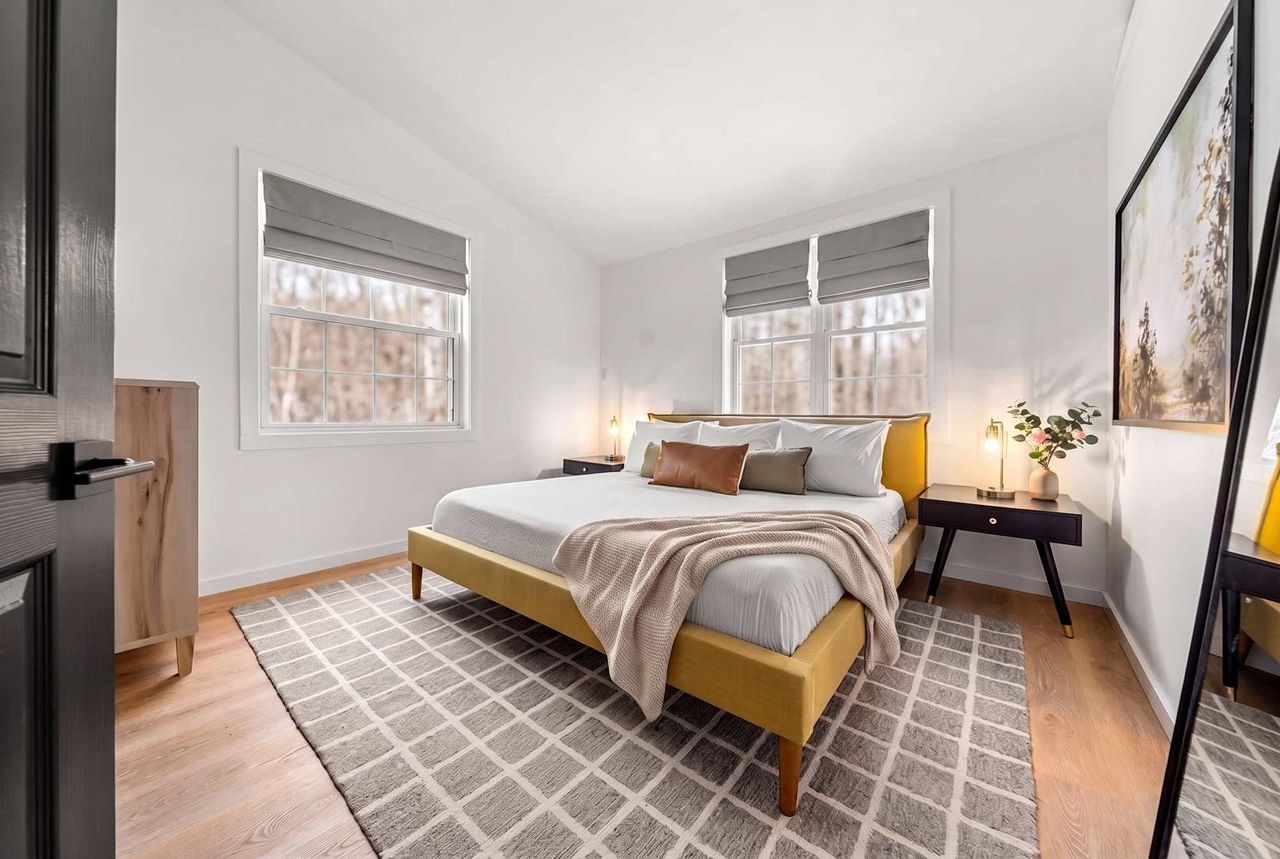
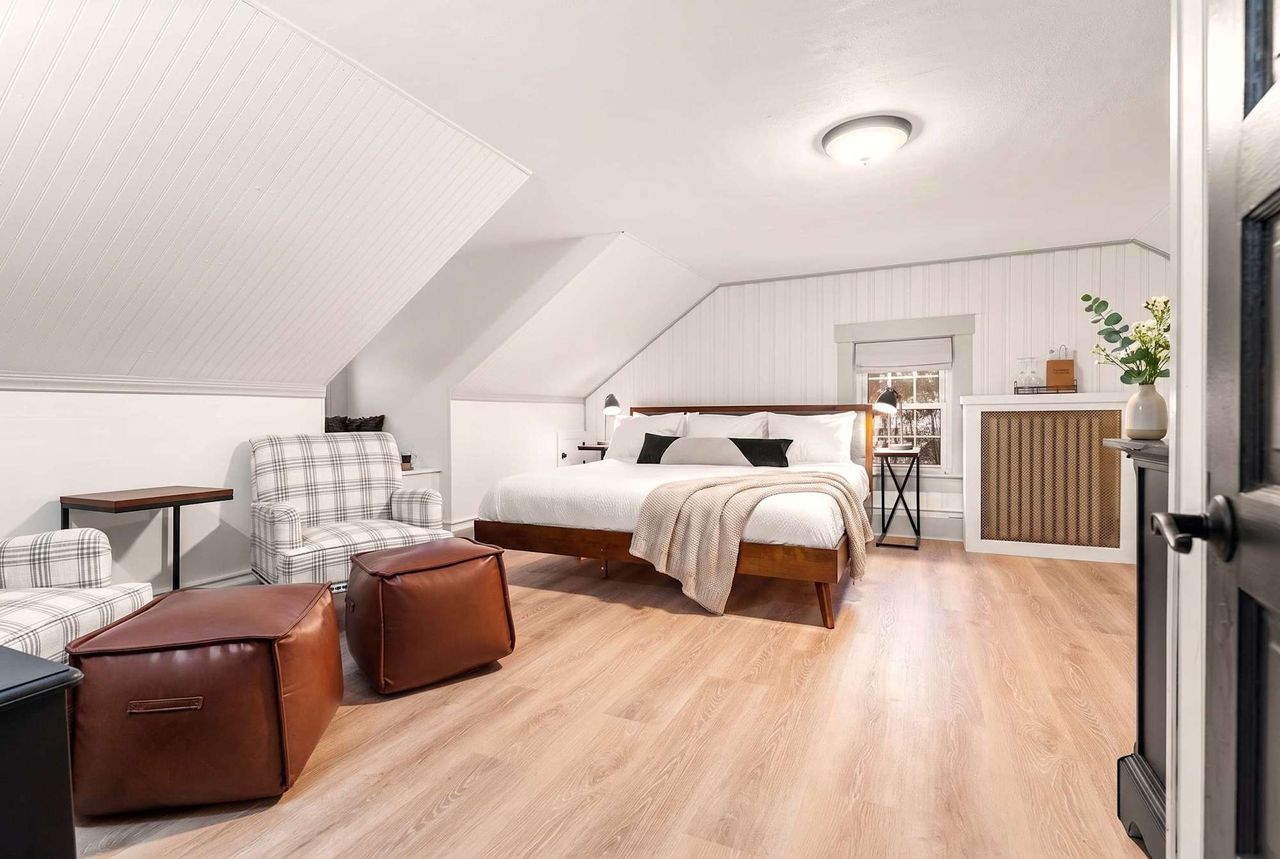
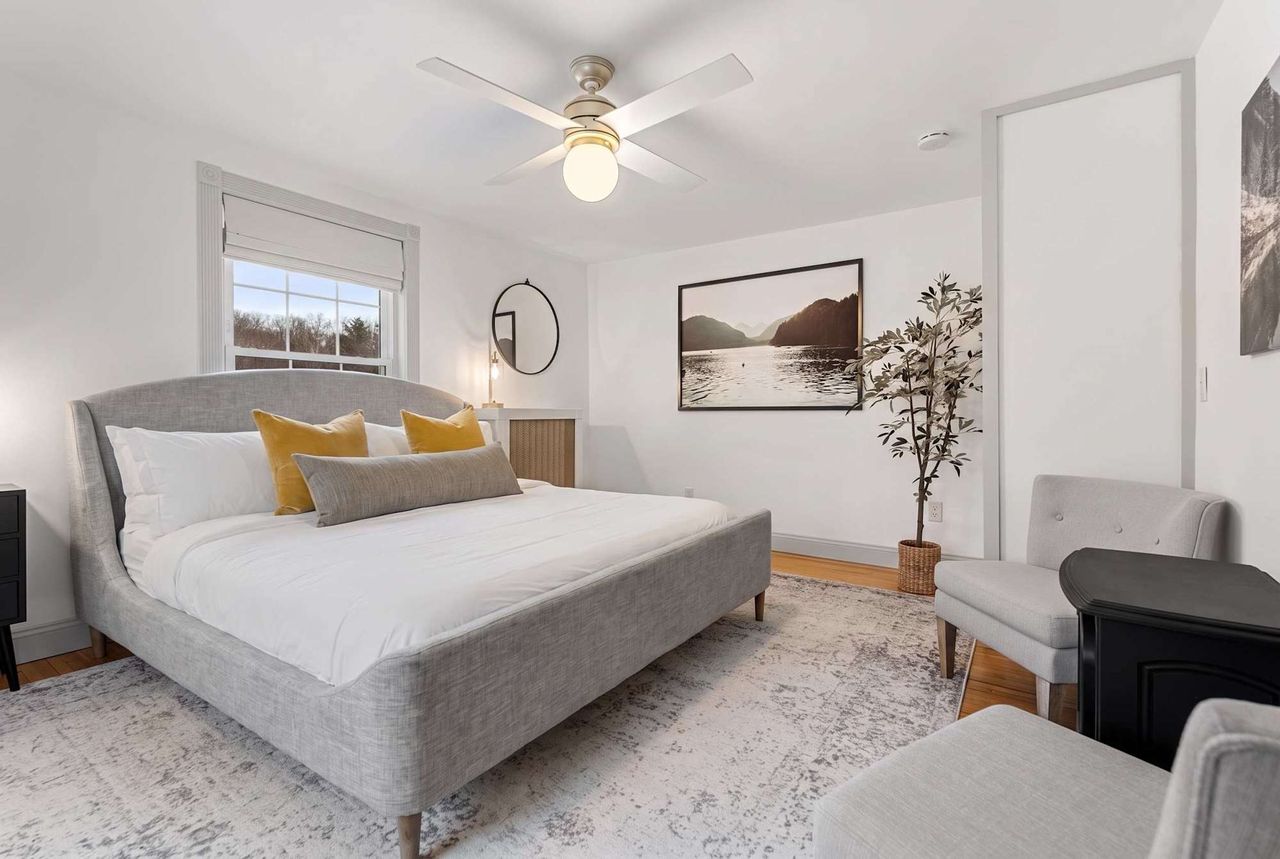
The back deck at the lodge is darker than most guests expect for a place a 5 min walk from restaurants — the trees screen Main Street — and on a clear night it is a fine place to start. For the real sky, the 20 min drive to the pass is the move; leave after dinner, be back for a nightcap.
Where to stay
The pass overlooks are 20 min east; Lincoln Woods 9 min. Ask us for the moon phase and the mountain cloud forecast when you check in — we watch both.
Sources & official info: fs.usda.gov · mountwashington.org
— Launchpoint Lodge, From the lodge