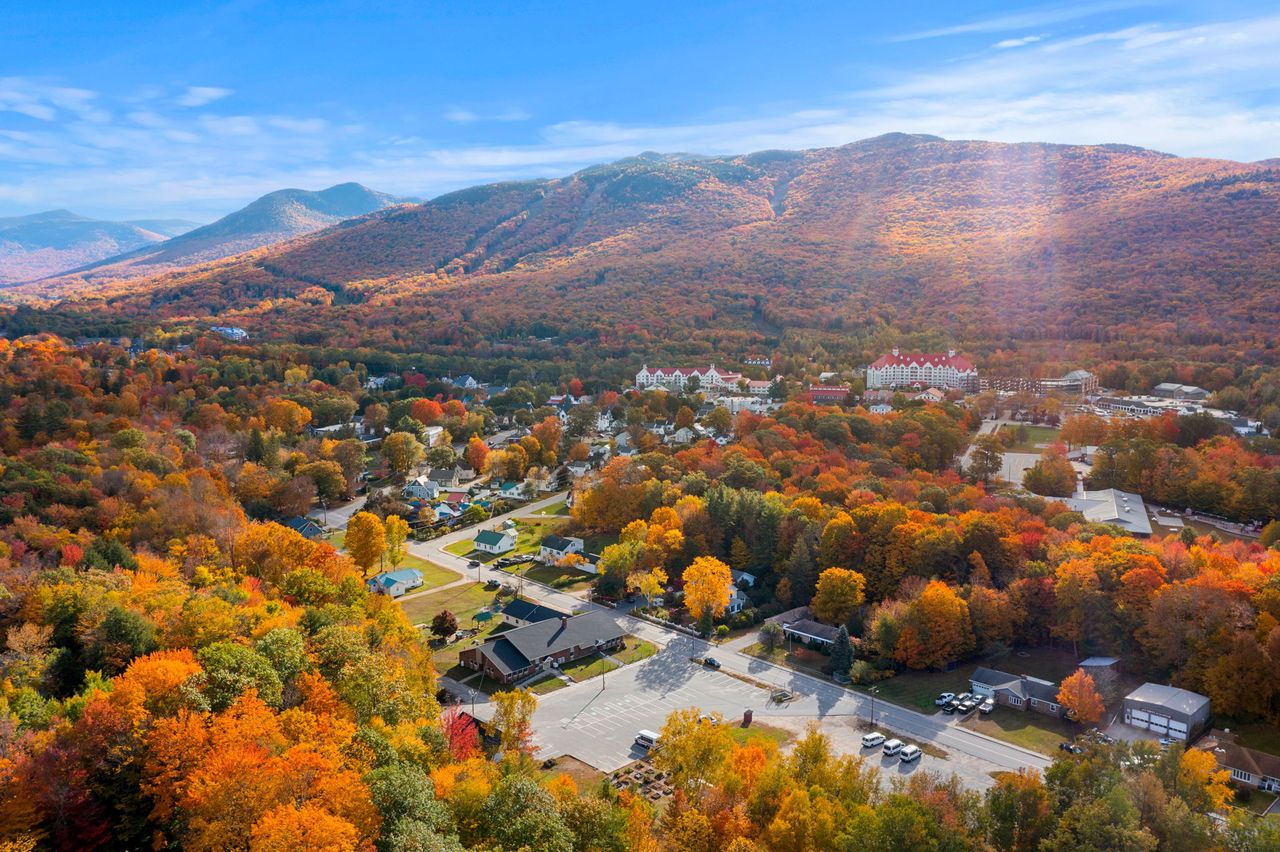
Guests ask us this one more than almost anything else in July and August: where can we go for a swim? It is a fair question and it deserves a good answer, because the White Mountains are full of water that looks like a postcard and behaves like a trap. Some of the most photographed spots on the Kancamagus and in Franconia Notch are places where swimming is prohibited, and for good reason. So this guide does two jobs at once. It tells you the handful of places where getting in the water is fine when conditions are right, and it tells you which famous, gorgeous places are look-don't-touch.
The short version, if you only read one paragraph: the sanctioned swim spot on the Kancamagus Highway is Lower Falls, and only when the Swift River is low and calm. The closest easy swim to the lodge is Cascade Park in North Woodstock, 5 min away. If you want a real sand beach with lifeguards, that is Echo Lake in Franconia Notch, a 17 min drive up I-93. Rocky Gorge and the Basin are for looking, not swimming, and the rules there are enforced. Everything after this is the detail that keeps a good day from turning bad.
One more thing before you go. This is snowmelt and spring-fed mountain water. It is cold even in a heat wave, the rivers rise fast after rain, and there are no lifeguards at any of the river spots. Read the cold-water and after-rain sections below before you pack the towels. We would rather you have a slightly less spontaneous afternoon than an emergency.
The lay of the land
There is a real difference here between a swimming hole and a scenic gorge, and the whole point of this guide is to keep the two straight in your head. A swimming hole is a stretch of river with a wide, deep-ish pool, a gravel or sand bottom, gentle current, and an easy way in and out. A gorge is where the same river funnels into a narrow slot of polished rock, where the water is fast, deep, cold, and shaped into currents that will hold a person down. The mountains give you both, often within a few miles of each other, and they photograph almost identically. The gorge is the one whose water looks calmer than it is.
Nearly all of the moving water around Lincoln is the Swift River (which runs along the Kancamagus) or the Pemigewasset River and its branches (which run through town and down through the notch). Both are fed by snowmelt and mountain springs, both run high and pushy in spring and after storms, and both drop, warm slightly, and calm down through July and August. That seasonal rhythm matters more than any single spot on this list. A pool that is perfect in mid-August can be unsafe the same week as a heavy rain.
You will also notice a recurring theme: fees and rules. The good spots on the Kancamagus sit inside the White Mountain National Forest, which charges a small day-use parking fee, and the sand beach is a New Hampshire State Park that charges admission and, in high season, wants a reservation. None of this is expensive. It just means 5 min of planning saves you a wasted drive to a full lot.
Lower Falls — the sanctioned swim spot on the Kancamagus
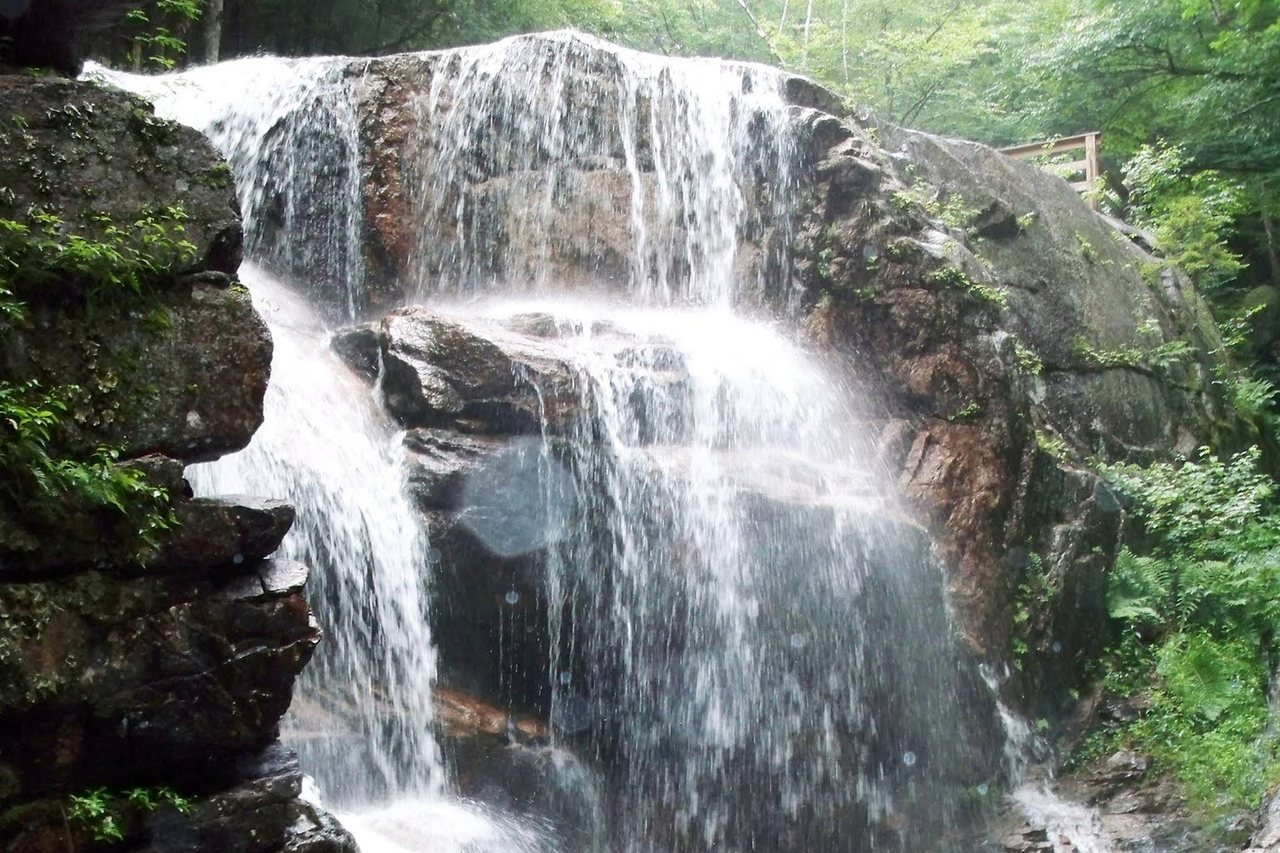
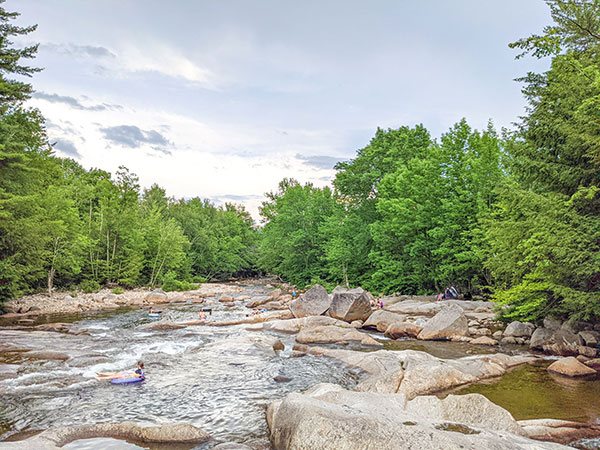
If someone tells you they went swimming on the Kancamagus, they went to Lower Falls. This is the one place along the byway that the Forest Service presents as a swimming and picnic site rather than a look-only overlook. The Swift River spreads out over broad, smooth granite ledges and drops into a large pool with a gravel bottom, and on a hot afternoon in late summer you will find families and couples spread across the rocks sunning and wading. It works because the river widens and slows here, so when the flow is low the current in the main pool is manageable.
The key words in that last sentence are only when the flow is low. When the Swift River is high or pushing hard through the ledges, Lower Falls is not a swimming hole, it is a hazard, and the Forest Service says so directly. The granite is slick, the drop over the ledges is real, and a strong current below a falls creates recirculating water that does not let go. The rule of thumb we give guests is simple. If you can see whitewater ripping through the main channel, or the river is loud and brown after rain, keep your feet on dry rock and enjoy the view. Save the swim for a calm, sunny stretch.
Practically speaking: there is a paved lot (around 80 cars), vault restrooms, and picnic tables with charcoal grills, so it is set up for an afternoon. You will need the White Mountain National Forest day-use pass, about five dollars for the day, paid at the self-serve kiosk (more on that below). One thing to set expectations on from the lodge: Lower Falls sits toward the Conway end of the Kancamagus, so it is not a quick hop. Budget roughly 45 min to an hour of driving from Lincoln, and make it part of a full Kancamagus day rather than a spur-of-the-moment dip.
It gets busy. On a hot summer weekend the lot fills by early-to-mid afternoon and you may circle for a spot. Mornings and weekdays are calmer, and the light on the ledges is better before the crowd arrives anyway.

Cascade Park, North Woodstock — the 5 min local swim
When guests want to be in the water within 10 min of walking out our door, we send them to Cascade Park in North Woodstock. It is a town park on the Pemigewasset with a paved lot, a picnic area, and a short walk down to the river, and it is the local classic on a hot day for a reason. The upper section is flat and gently moving with plenty of places to wade, and the water has carved a natural slide into the smooth rock with deeper pools below for swimming and floating. It is exactly the kind of low-key river afternoon most people are picturing when they ask about swimming holes.
Because it is close, free, and beginner-friendly, it fills up. On summer weekends the lot is often full by early afternoon, so treat it as a morning plan or a weekday plan if you want elbow room. And because it is a river with rock, the same cautions apply as everywhere else on this list: the rock slide is fun when the water is low and slow, and it is not fun when the river is up. Check the flow before you commit to sliding, go feet-first, and never dive into water you have not stood in and confirmed is deep and clear of rock.
This is our default answer for a spontaneous, no-big-drive swim. It will not feel remote or wild, being a town park, but it is the most reliable close-to-the-lodge option and a pleasant place to spend a couple of hours.
Echo Lake Beach, Franconia Notch — the real sand beach with lifeguards
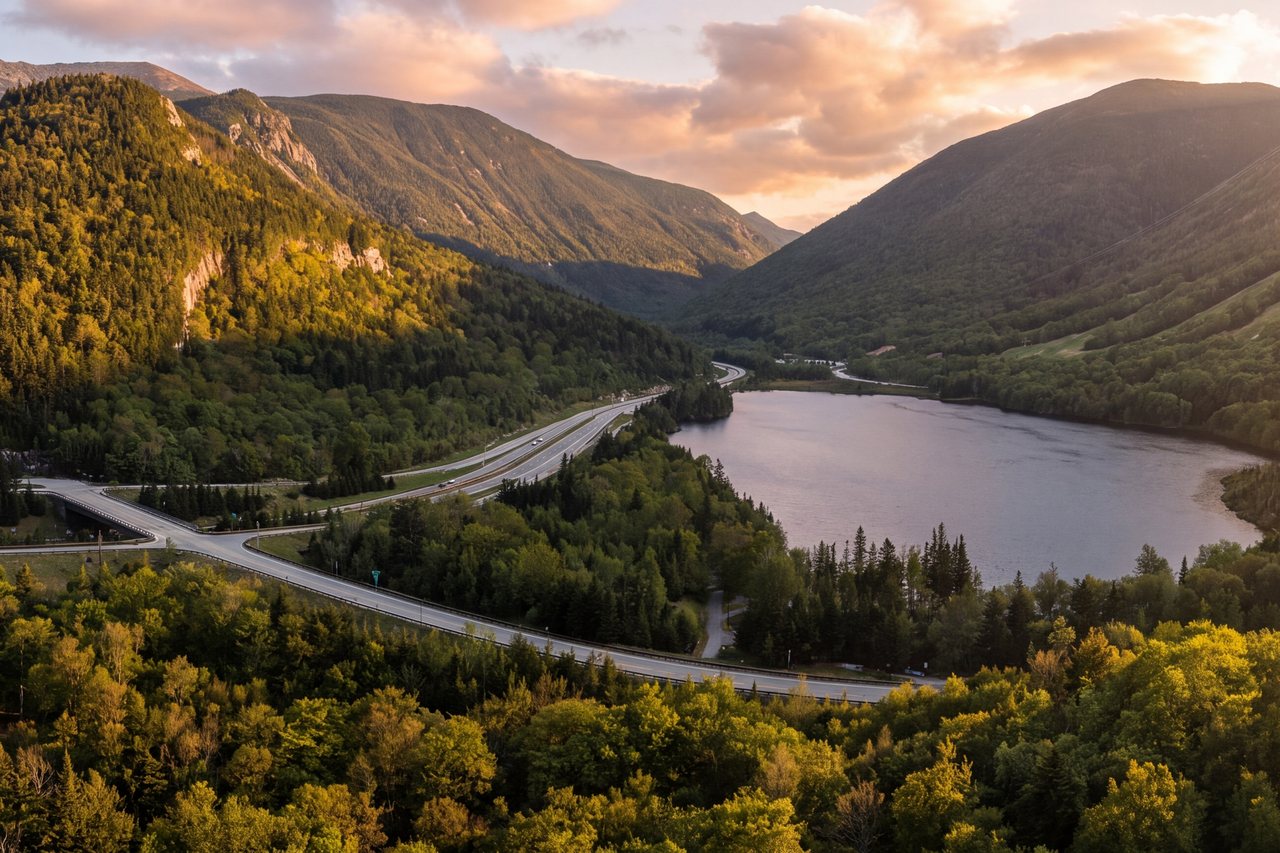
If what you want is a beach day, warm-ish flat water, sand under your feet, somewhere to bring a book, and staff on duty, then rivers are not your answer and Echo Lake is. This is a New Hampshire state beach on a 39-acre spring-fed lake at the top of Franconia Notch, sitting under Cannon Mountain and Mount Lafayette, and it is only about a 17 min drive north of the lodge up I-93. It is the one nearby spot with lifeguards, and that alone makes it the right call for less-confident swimmers and for anyone who just wants to relax without watching the current.
It runs as a managed day-use area. There is a per-person admission fee (a few dollars for adults, less for kids, with New Hampshire seniors free), lifeguards typically on duty through the core summer season from roughly late June into early September, restrooms and changing facilities, and a general store that rents kayaks, canoes, and pedal boats by the hour. In peak summer the park runs on timed day-use reservations through ReserveAmerica, with the beach open to reservation holders through the afternoon and cleared in the early evening. Walk-ups are allowed when the day has not sold out, but on a hot weekend do not count on that; reserve ahead the night before.
A few practical notes. It is spring-fed, so even here the water is refreshing rather than bathtub-warm; it is a lake, not the Caribbean. Views are the real draw, Lafayette and the notch walls rise straight out of the water. And because Cannon's famous aerial tramway is retired and closed for a multi-year replacement (its final run was in October 2025), do not plan on pairing a beach day with a tram ride to the summit; that option no longer exists. If you want a lift-served mountaintop view on the same trip, Loon Mountain's gondola is the one to ride, and it is only 6 min from the lodge.
The Pemigewasset River and its swimming spots
The Pemigewasset, the Pemi, is the river the whole valley is built around, and it offers more than just Cascade Park. Up and down its length there are gravel bars, wading pools, and quiet stretches where locals cool off. It is one of the pleasures of a summer stay here: on the right kind of hot afternoon you can find a rock, put your feet in cold clear water, and watch the current go by. The East Branch of the Pemi runs out of the Pemigewasset Wilderness through Lincoln, and the main stem runs south through Woodstock and beyond.
Two real caveats keep people out of trouble. First, some of the nicest-looking access is private or reserved. Lady's Bathtub, for instance, a well-known local spot on the East Branch, was deeded specifically for the use of Lincoln and North Woodstock residents; it is not an open-to-everyone public swim area, so we do not send guests there. When in doubt about a spot you spotted from the road, assume it may be private and ask us or a local before you park and traipse in.
Second, the deeper-woods option, Franconia Falls, is a real swimming-and-sliding spot but it is a commitment, not a quick dip. It sits about three miles in along the Lincoln Woods Trail from the trailhead on the Kancamagus, the East Branch's ledges make natural slides and pools, and it has historically required a free self-issued day-use permit from the Forest Service at the trailhead (the trail is closed from June 15 into November 2026 between the Kancamagus and the Osseo Trail junction, so check before you go). It is a lovely destination on a hot day if you are up for a flat six-mile round-trip walk; just know it is exposed, there are no services past the trailhead, and like every ledge here it is best enjoyed at low water. Confirm the current permit situation at the Lincoln Woods information station before you count on it.
Rocky Gorge — beautiful, and you must not swim here
Rocky Gorge is the single most important 'no' in this guide, so we are going to be blunt. It is a stunning spot: the Swift River squeezes through a narrow slot of granite and drops in a powerful chute, there is a footbridge over the gorge with a picture-perfect view, and beyond it a gentle loop trail to quiet Falls Pond. It is absolutely worth stopping to see, roughly toward the Conway end of the Kancamagus. What it is not is a swimming hole. Swimming in and jumping into the gorge are prohibited, and the Forest Service enforces it.
The rule is not bureaucratic caution. The swimming ban traces back to a near-fatal accident in 1942 and further serious accidents in the years since, and narrow river gorges across the White Mountains call for the same respect. The physics are the problem. In a narrow chute the water moves faster and deeper than it looks, the polished rock offers nothing to grab, and the churning water at the base of the drop recirculates in a way that holds a body under. Calm-looking pockets sit right next to killing current. People who have jumped or slipped in have not been able to climb out.
So the guidance is simple and it is firm: walk the footbridge, take the photograph, do the easy Falls Pond loop, and keep everyone, especially any teenagers feeling brave, well back from the water's edge on the wet rock. Do not swim, do not wade in the gorge, do not jump. If you want to get in the Swift River that day, drive to Lower Falls instead, where the river is designed by nature to be forgiving and the Forest Service allows it.
The Basin — a glacial pothole, for looking only
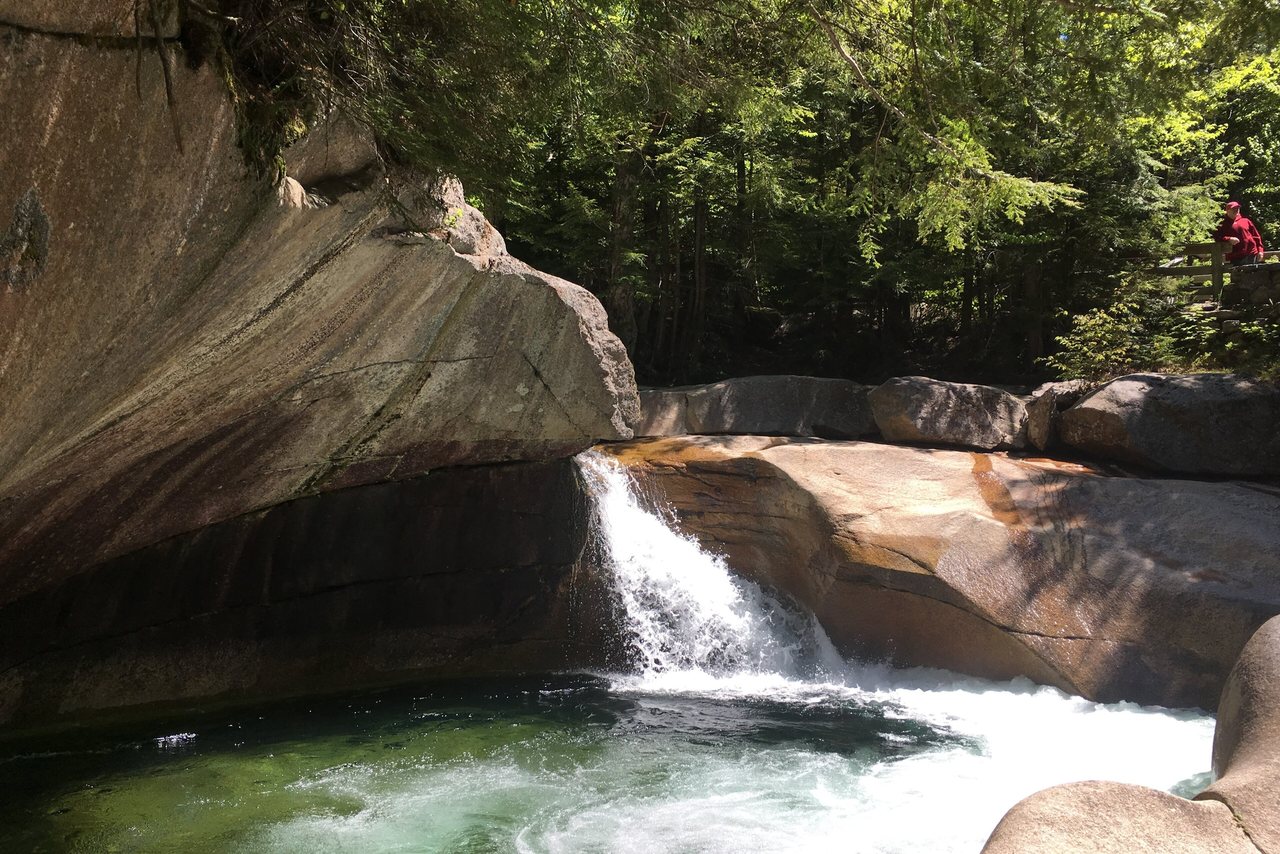
The Basin, in Franconia Notch, is one of the most-visited stops in the state park and another spot people mistake for a swimming hole. It is a large granite pothole, roughly twenty to thirty feet across, carved by meltwater at the end of the last ice age and still being scoured by the Pemigewasset River pouring through it. The water is astonishingly clear and the smooth sculpted rock is mesmerizing. It is easy to reach on a short paved path from the parkway, which is exactly why so many people wander up expecting to jump in.
You cannot, and you should not. Swimming is not allowed at the Basin. Beyond the rule, the rock all around the pothole is worn glass-smooth and constantly wet, and the current feeding and draining the basin is stronger than it appears, so watch your footing near the edge. The Basin is a geology exhibit you look at from the walkways, not a pool. Bring the camera, walk the short loop and the cascades above it on the Basin-Cascade Trail if you want more, and keep your swim ambitions for the sanctioned spots.
It pairs naturally with a Franconia Notch day. You can see the Basin, walk a bit, and then, if you want to swim, continue north to Echo Lake for the beach, or save the river swimming for Cascade Park closer to home.
The other famous-looking spots that are not for swimming
A quick plain sweep of the places guests most often ask about, so no one wastes a drive or takes a risk. The Flume Gorge is a boardwalk-and-stairs walk through a dramatic natural chasm; it is a paid, ticketed attraction inside Franconia Notch State Park, it is not a swimming venue in any form, and it closes for the winter, so it is a warm-season sightseeing outing. Sabbaday Falls, mid-Kancamagus, is a beautiful three-step flume reached by an easy short walk, but it is a look-from-the-platform waterfall, not a swim.
The broader pattern to internalize: waterfalls and gorges are not swimming holes, no matter how inviting the pool at the base looks. The plunge pool below a falls is where the current recirculates and where debris and cold collect, and the rock around it is the slickest surface in the forest. Georgiana Falls, the Basin cascades, Rocky Gorge, the chutes along the Swift, treat all of them as scenery. When you want to be in the water, go to a place that is wide, slow, and shallow-shelving: Lower Falls, Cascade Park, or the Echo Lake beach. That single distinction, wide-and-slow versus narrow-and-fast, keeps people safe here.
If you are ever unsure about a spot you found on your own, the safest assumption is the conservative one. There is no shortage of good, legal places to swim within a half hour of the lodge, so there is never a reason to gamble on a gorge.
The water is cold, even in August
This is the part most listicles skip and it is the part that hurts people. Mountain rivers here are cold. This is snowmelt and spring water; even during an August heat wave, the pools run far colder than any lake or ocean you are used to, and the shaded, deeper gorges are colder still. That temperature is not just uncomfortable, it is a hazard in its own right. A sudden plunge into cold water triggers an involuntary gasp and a burst of rapid breathing called cold-water shock, and if your face is underwater at that moment, you inhale water. It is the reason strong swimmers drown in cold rivers.
Protect yourself by getting in gradually rather than jumping or diving, which is good practice anyway because you cannot see the rocks below the surface. Wade in, let your body adjust, splash your chest and face before you commit. Do not swim to exhaustion; cold water saps strength and coordination faster than you expect, and the muscles you need to climb out of a slick-rock pool are the first to go. Get out and warm up on the rocks well before you feel cold, and keep a dry layer and something warm to drink at hand, especially for anyone smaller or leaner who chills faster.
Alcohol and cold water do not mix well, since a drink dulls your sense of the cold and your judgment about the current at exactly the moment you need both. Save the drink for the deck back at the lodge. And there are no lifeguards at any of the river spots on this list, only at Echo Lake, so at the rivers you are your own safety net. Swim with someone, keep an eye on each other, and pick a spot where you can see how you would get out before you get in.
After rain and high water — how to read the river
The most important weather question for swimming here is not whether it is hot today, it is whether it rained recently. These rivers respond fast. A heavy storm anywhere in the upper watershed, even one you did not see from the lodge, can turn a calm afternoon pool into a fast, cold, brown torrent within hours, and it can stay elevated and pushy for a day or two after the rain stops. When the water is high, even the gentle spots are best left for another day.
You do not need a gauge to read it, though you can check river flow online before you go. Use your eyes and ears. Clear water running slow and quiet is a good sign. Water that is loud, fast, cloudy, brown, or ripping visible whitewater through the channel is telling you to stay out, no matter how much you wanted to swim. If the river has swallowed the rocks people normally sit on, or if you would not be able to comfortably wade against the current at the edge, it is a no. When in doubt, we would rather you drove to Echo Lake, where the lake level does not spike with a thunderstorm.
A good habit for a summer stay: build in flexibility. If you get a big overnight rain, plan the river swim for later in your trip and do something else the next day. Give the water 24 to 48 hours to drop and clear after a real soaking. The Kancamagus and the notch are not going anywhere, and a patient plan is a safe one.
Water quality and the best season to swim
The swimming season here is short and worth timing. Spring runoff keeps the rivers high, fast, and frigid well into June, so the reliable window for comfortable, safe river swimming is roughly mid-July through late August, when flows are lowest and the water has had weeks of sun to take the worst of the chill off. September can still be pleasant on a warm afternoon, but the water cools quickly as the nights get cold. Outside that window the rivers are for looking, wading briefly, and photographing, not for a proper swim.
On water quality, moving mountain rivers are generally clean, but bacteria levels (E. coli) can spike after heavy rain washes runoff into the water, which is one more reason the day or two after a storm is a poor time to swim. The bigger seasonal concern is at lakes and ponds, not the rivers: in warm, calm late-summer conditions, New Hampshire lakes can develop cyanobacteria (harmful algae) blooms, and the state's environmental services department posts advisories when a waterbody is affected. Before a lake or pond swim, it is worth a quick check for any active advisory, and the on-the-ground rule is simple, if the water looks like spilled paint, pea soup, or has a surface scum, stay out and keep pets out.
None of this should scare you off. In a normal, dry stretch of mid-summer the water around Lincoln is clean, clear, and lovely. It just rewards a little timing: pick the warm, dry, low-water stretch of your trip for the swim, and use the rainy or cold days for the covered attractions and the drives.
Kids, adults, and who each spot really suits
A word on this, since we are an adults-only lodge and we do not host guests under twelve. That policy shapes who is reading this, but plenty of our guests visit with family staying elsewhere in the valley or ask on behalf of others, so here is the practical breakdown. For young children, none of the river spots are truly kid-safe in the way a supervised pool is; the current, cold, and slick rock are unforgiving, and there are no lifeguards. If small kids are in the mix, Echo Lake's lifeguarded, shallow-entry beach is the only spot on this list built for that, and even there, constant hands-on adult supervision is the rule, not a suggestion.
For the adults and couples who stay with us, the rivers are the reward. Lower Falls and Cascade Park are, on a calm low-water day, exactly the kind of slow, sun-on-the-rocks, feet-in-cold-water afternoon that pairs perfectly with a mountain trip. You have the judgment to read the water, get in gradually, and know when to stay on the rocks, which is all these places ask of you. Echo Lake is the easy, no-thinking-required option when you just want a beach and a rented kayak.
Whoever you are swimming with, the two non-negotiables do not change: match the spot to the conditions that day, and never let confidence at a calm pool carry over to a gorge. The people who get hurt here are almost never the timid ones.
Parking, fees, and leaving it as you found it
Most of the good Kancamagus spots sit on White Mountain National Forest land, which uses a small day-use fee to maintain the lots and restrooms. It is about five dollars for the day, or roughly thirty dollars for an annual pass, paid at the self-serve kiosk at the lot; the day pass covers you at all the Forest Service fee sites for that day, so one payment works for Lower Falls, Rocky Gorge, Sabbaday Falls, and the Lincoln Woods trailhead on the same outing. A federal interagency 'America the Beautiful' pass is honored too, if you carry one. Roadside overlooks along the byway are free; it is the developed lots with restrooms that charge. Echo Lake is separate, a New Hampshire State Park with its own per-person admission and reservation system.
Bring a bit of cash or a card for the kiosk, and get there early on hot weekends, the popular lots (Lower Falls, Cascade Park) fill by early afternoon and there is no overflow parking worth the ticket you will get for improvising along the highway. If a lot is full, that is your cue to move to the next option rather than squeeze in illegally or park somewhere that blocks the road.
Last, treat these places the way the people who love them do. Pack out everything you bring in, including food scraps and fruit peels. Do not build rock cairns or move stones around in the river, it wrecks the habitat under those rocks. Keep music to yourself and glass off the ledges, broken glass in a bare-foot swimming hole is a genuine hazard. These are shared, lightly-staffed places, and they stay good only because most visitors leave no trace.
Where to go instead when your first choice is crowded or unsafe
Have a plan B before you leave, because on a hot summer day you will sometimes need it. If Cascade Park's lot is full, the fallback is a Franconia Notch day: see the Basin, then continue to Echo Lake for the beach. If Lower Falls is full or the Swift River is running high, turn the trip into a Kancamagus sightseeing drive, stop at Sabbaday Falls and the overlooks, and swim another day when the water drops. If Echo Lake has sold out its reservations, that is when the river spots earn their keep on a calm day.
The general decision tree we give guests is short. Calm, low, clear water and you want a river? Lower Falls or Cascade Park. Want a beach, a lifeguard, or you have nervous swimmers? Echo Lake. Rained hard in the last day or two, or the river looks angry? Skip swimming entirely and take the day for a drive, the Flume, or a covered attraction, and try the water later in your stay. Following that order is the simplest way to a good, relaxed, and safe swim.
And you can always ask us. We watch the weather and the rivers all summer, we know which lots fill first, and we are happy to point you at the right water for that particular day. That is one of the better parts of staying at a small owner-run place instead of a big hotel.
Safety & conditions
- Cold-water shock is real: get in gradually, never dive or jump into cold water, and don't put your face under until your breathing settles.
- There are no lifeguards at any river spot — only at Echo Lake. At rivers, swim with someone and keep watch on each other.
- Never dive or jump into any pool — you can't see submerged rock and depths change with the flow.
- After heavy rain, stay out for 24–48 hours: rivers surge, run cold and murky, and bacteria levels spike.
- Loud, fast, brown, or whitewater-filled current means do not swim, no matter how hot it is.
- Granite ledges beside every falls and gorge are extremely slippery when wet — keep well back from the edge.
- Enjoy Rocky Gorge and the Basin from dry land — swimming and jumping are prohibited and enforced, and the current there is strong and recirculating.
- Skip alcohol before swimming — it dulls your sense of cold and the current at the worst moment.
- Cold saps strength fast — get out and warm up before you feel chilled; carry a dry layer.
- At lakes and ponds, avoid water with surface scum or a pea-soup/paint look (possible cyanobacteria) and check for state advisories.
- Wear sturdy footwear you can swim in — riverbeds hide sharp rock and slick stone.
- The Kancamagus has no services or cell coverage for long stretches — fuel up and tell someone your plan.
Where to stay
Launchpoint Lodge sits at Exit 32 off I-93 in Lincoln, at the western mouth of the Kancamagus, which puts you almost perfectly between the two kinds of swimming here. Cascade Park is a 5 min drive for a spontaneous river afternoon; Echo Lake and the Basin are about 17 and 14 min north up the notch; and Lower Falls, the sanctioned Kancamagus swim, is a 45 min to an hour drive across the byway that pairs naturally with a full Kancamagus sightseeing day. Loon Mountain, if you want a gondola ride to a summit view on the same trip, is 6 min away.
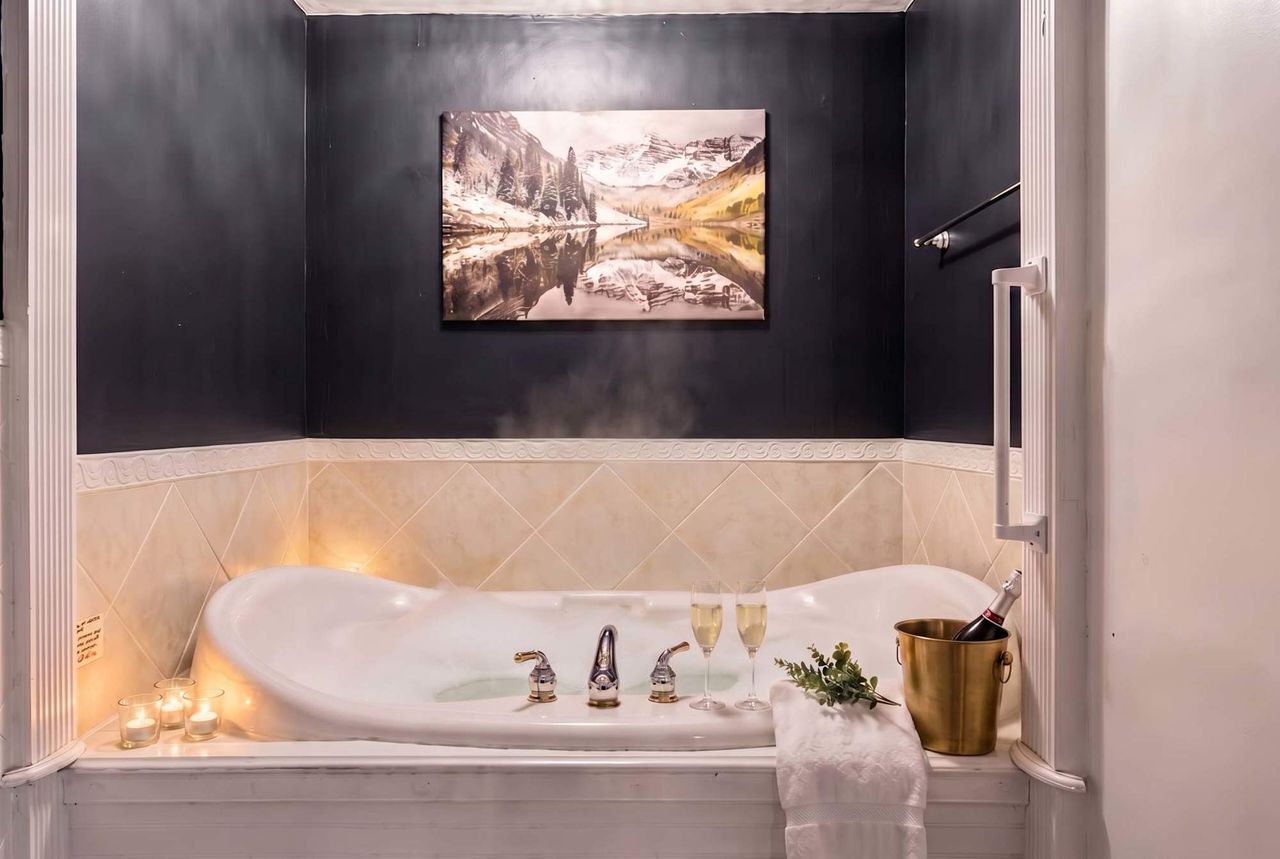
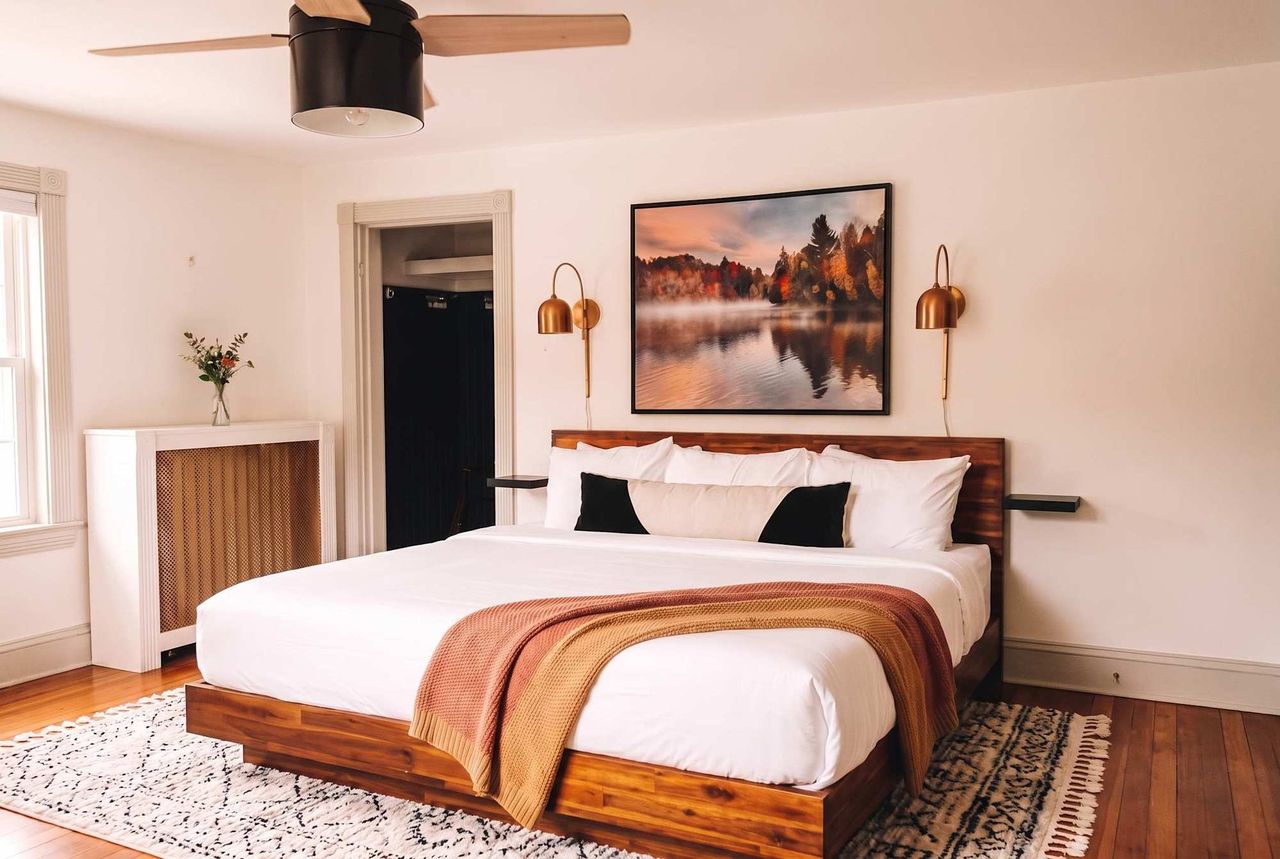
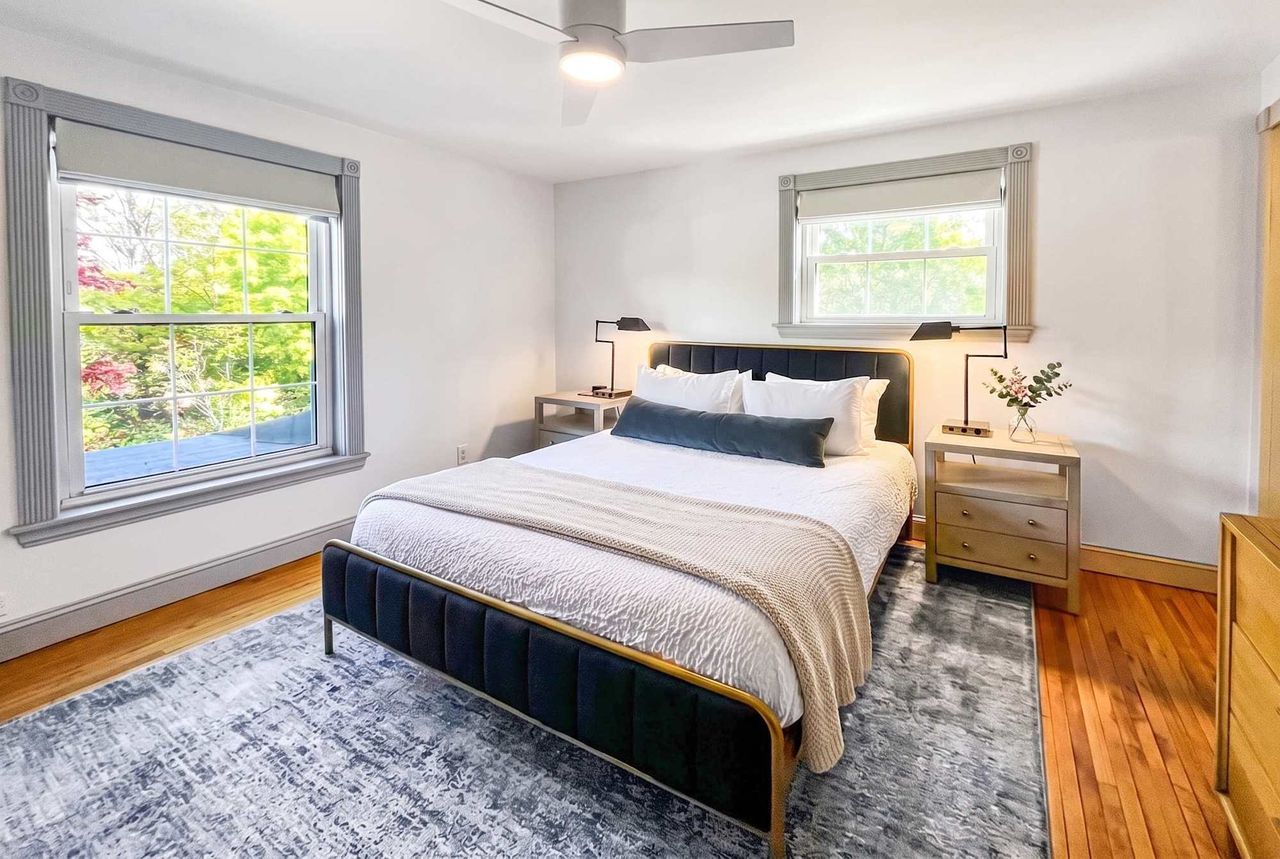
Because we know the rivers and the weather here all summer, the easiest way to plan a swim is to message us before you head out. We can tell you whether the Swift River is running low enough for Lower Falls that morning, which lot is likely already full, and whether last night's rain means today is a drive-and-sightsee day instead. After a cold-water afternoon, the Basin suite with its two-person jetted tub, or the Pemi, named for the river you have been swimming in, is a fine place to warm back up.
Sources & official info: fs.usda.gov · fs.usda.gov · nhstateparks.org · recreation.gov · franconianotch.org
— Launchpoint Lodge, From the lodge